Laser Cutting Evolution: Emerging Trends Driving the Future of Precision Engineering

Laser cutting has established itself as a key element in contemporary manufacturing, providing unmatched accuracy, rapidity, and adaptability across various sectors. Its advancements have influenced fields like aerospace, automotive, healthcare, and microelectronics, continuously pushing the boundaries of precision engineering. Currently, advancements in automation, materials technology, artificial intelligence, and sustainability are improving the efficiency of laser cutting while also influencing the future of industrial manufacturing. 

This article delves into the significant trends propelling the progress of laser cutting evolution, the emerging technologies that are establishing new benchmarks, and the transformative impact these innovations have on precision engineering


The Evolution of Laser Cutting Technology

Since its commercial debut in the 1960s, laser cutting technology has significantly evolved. Originally, it was restricted to cutting metals and other tough materials, utilising CO₂ lasers. While this represented a groundbreaking advancement, early systems faced limitations in terms of speed, energy efficiency, and maintenance requirements. 

However, through the years, advancements in laser generation, optics for focusing, and computerised control systems have transformed laser cutting into one of the most versatile and effective manufacturing techniques available today.

Understanding the laser cutting evolution is crucial for industries seeking to enhance efficiency and innovation.

Plasma cutting technology utilises a high-velocity jet of ionised gas to precisely cut through electrically conductive materials such as steel, aluminium, and copper with speed and accuracy.


From CO₂ to Fiber Lasers: A Technological Leap

The transition from CO₂ lasers to fibre lasers represents a major breakthrough in the development of laser cutting technology. Fibre lasers, utilising optical fibres infused with rare-earth elements such as ytterbium, offer enhanced energy efficiency, increased cutting speed, and reduced operating expenses.
 

laser cutting


Advantages of Fibre Laser Technology

  • Enhanced Efficiency: Fibre lasers are able to transform electrical energy into light with greater effectiveness, leading to lower energy use and decreased operational expenses.
  • Superior Beam Quality: The more concentrated beam enables more precise cutting and improved tolerance levels.
  • Lower Maintenance Needs: In contrast to CO₂ lasers that necessitate frequent mirror adjustments and gas replenishment, fibre lasers provide a longer service life with very little upkeep required.
  • Versatile Material Capability: These lasers can handle reflective materials like copper, aluminium, and brass, which presented difficulties for CO₂ lasers in the past.

This transition has empowered manufacturers to achieve unprecedented precision, reliability, and sustainability in production environments.


Emerging Trends Shaping the Future of Laser Cutting

With the growing need for enhanced precision and quicker production times in various industries, a number of significant trends are surfacing in laser cutting technology. These developments are reshaping the concept of precision engineering within contemporary manufacturing practices.


1. Integration of Artificial Intelligence and Automation

Artificial Intelligence is transforming the field of laser cutting by allowing machines to optimise themselves, adjust to different materials instantly, and forecast maintenance requirements. When paired with automation, AI-enhanced laser cutters can operate flawlessly 24/7. 


Intelligent Manufacturing and Anticipatory Maintenance

  • Automated Process Modifications: AI systems assess laser settings while cutting, dynamically modifying focus, speed, and power to ensure uniform results.  
  • Minimising Errors: Continuous monitoring identifies issues like beam misalignment or temperature fluctuations, reducing the chance of defects.
  • Anticipatory Maintenance: Sensors gather data from the machines to foresee parts wear, helping to avoid expensive downtime.


Collaborative Robots (Cobots) and Laser Systems


Collaborative robots are now being paired with laser cutting systems to automate repetitive tasks such as part loading, sorting, and finishing. This combination allows for increased productivity, improved worker safety, and enhanced workflow efficiency.


2. Advancements in Material Processing Capabilities

The variety of materials available has grown significantly in recent years. Laser cutting technology has evolved beyond just conventional metals to include ceramics, composites, polymers, and even biological materials used in medical engineering.


Laser Micro-Machining and Precision Components

Micro laser cutting enables engineers to fabricate parts with dimensions smaller than a human hair. This technology is especially important in fields such as microelectronics and biomedical devices, where pinpoint accuracy is crucial.


4D and Hybrid Material Applications

In addition to 3D technology, scientists are investigating 4D laser cutting, which utilises shape-memory materials that change their shape in response to certain conditions. This advancement presents exciting possibilities for aerospace and robotics, allowing for structures that can adapt to changes in their environment.
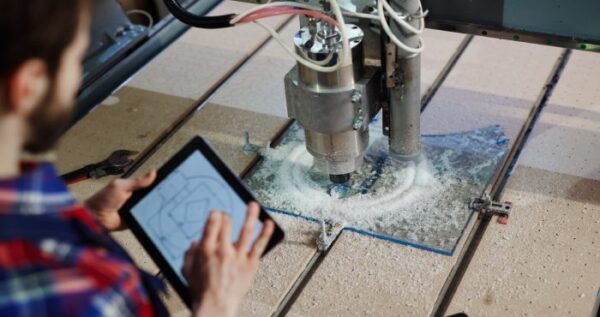
 

laser cutting technology


Digital Transformation and Connectivity

With the adoption of Industry 4.0 concepts in manufacturing, laser cutting systems are transforming into smart, networked tools that can interact throughout the entire production process.


IoT and Data-Driven Laser Cutting

Integrating the Internet of Things (IoT) enables laser cutting machines to send performance information, allowing manufacturers to enhance their production processes in real-time.


1. Data Analytics and Cloud Integration

  • Distance Oversight: Engineers have the ability to monitor laser functionality, energy consumption, and production levels from any location.
  • Efficiency Enhancement: Advanced data analysis reveals inefficiencies and provides recommendations to minimise waste and boost production.
  • Cloud-Enabled Teamwork: Teams in different locations can concurrently access design documents and cutting specifications, leading to quicker prototyping.


2. Digital Twin Technology

A digital twin is a virtual model of a laser cutting system that mimics actual operations. This technology aids manufacturers in anticipating performance, enhancing maintenance practices, and minimising equipment wear proactively, preventing potential problems before they arise.


Sustainability and Green Manufacturing Initiatives

Sustainability has become a crucial focus in precision engineering. The process of laser cutting, recognised for its efficient use of materials, is being refined to meet worldwide eco-friendly manufacturing benchmarks.


Energy Efficiency and Waste Reduction

Contemporary fibre laser systems use considerably less energy compared to their predecessors, generating reduced heat and waste in the process.


Eco-Friendly Innovations in Laser Cutting

  • Closed-Loop Cooling Systems: Minimise water usage and energy expenditure.  
  • Material Recycling: Enhanced filtration systems recover and repurpose metal dust.  
  • Optimised Nesting Software: Increases efficiency in material use, reducing waste.


Laser Cutting and Circular Economy

Laser cutting promotes circular manufacturing by increasing the longevity of materials and reducing waste, allowing for the reuse or repurposing of every component and byproduct. This environmentally-focused strategy enhances both ecological well-being and sustainable profits over time.


Precision Engineering Applications Redefined

The advancements in laser cutting extend beyond merely the machinery; they encompass its diverse applications across various sectors, revolutionising the standards of precision in engineering.


Innovations in Aerospace and Automotive Sectors

These fields require durable and lightweight materials capable of enduring harsh conditions. Laser cutting offers the precision necessary for the fabrication of complex parts utilised in engines, vehicle frames, and electrical systems.


Laser Cutting in Electric Vehicle Production

The surge in electric vehicle popularity is driving the necessity for laser-fabricated battery elements, connectors, and casings. The accuracy of laser cutting is essential in ensuring the functionality and safety of these vital components.


Use of Laser Cutting in Composite Materials

Laser cutting allows engineers to manipulate intricate composite layers without risk of delamination, which is vital for aerospace structures that demand both strength and minimal weight.


Medical and Microengineering Precision

Laser technology plays an ever-growing role in the fields of healthcare and biotechnology. The production of medical devices, such as stents, catheters, and microfluidic chips, relies significantly on the accuracy of laser manufacturing.


Biocompatible and Micro-Scale Applications

  • Non-Thermal Cutting: Minimises thermal harm to sensitive materials such as bio-polymers.
  • Precision at the Micron Scale: Crucial for the fabrication of implants and surgical tools.
  • Cleanroom Compatibility: Guarantees hygienic manufacturing conditions in facilities producing medical-grade products.


4D Biofabrication Potential

New studies are investigating the application of lasers for cutting and moulding biocompatible scaffolds, which can change in shape or functionality. This could lead to the development of dynamic implants that adjust within the human body.
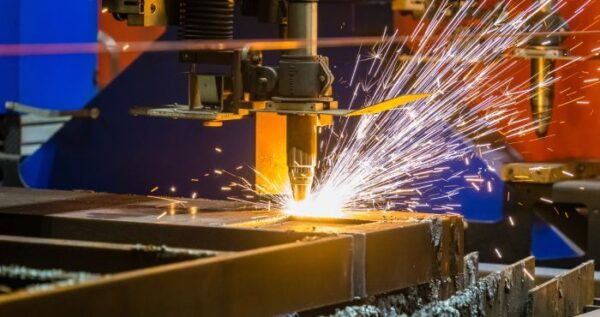
 

laser cutting


Future Outlook: The Next Frontier in Laser Cutting

With the ongoing advancements in technology, the future of laser cutting looks set to embrace enhanced integration, smarter capabilities, and innovative solutions.


Quantum and Ultrafast Laser Technology

Ultrafast lasers, including femtosecond lasers, function in the realm of quadrillionths of a second. Their exceptional precision enables the processing of materials without causing heat-affected zones. This advancement is set to revolutionise industries such as microelectronics, nanotechnology, and photonics manufacturing.


Engineering at the Nanoscale

Femtosecond lasers allow engineers to alter the characteristics of materials on an atomic scale, opening doors to quantum-level components essential for advanced computing and optical technologies.


Redefining Miniaturisation

The capacity to develop intricate, extremely tiny components will transform the possibilities in consumer electronics, semiconductor innovation, and medical testing.


Challenges and Opportunities Ahead


1. Challenges in Adopting Advanced Laser Cutting Technologies

Even with swift advancements, the uptake of next-generation laser cutting technologies encounters significant obstacles. The steep initial expense associated with cutting-edge fibre and ultrafast lasers often discourages smaller and medium-sized enterprises. These advanced systems require a considerable upfront financial commitment, which can put pressure on budgets and postpone the adoption of new technologies.

A further difficulty is the lack of skilled operators. Effectively managing AI-integrated and IoT-enabled systems demands specialised training. Without proper education, even the most sophisticated machines may fall short of optimal performance, hindering productivity and accuracy. Moreover, as manufacturing environments become interconnected, the risks to data security increase, emphasising the importance of robust cybersecurity measures in the industry.


2. Collaborating to Overcome Barriers

Joint initiatives among businesses, educational institutions, and government agencies are critical to overcoming these challenges. Partnerships between industry and academia are creating tailored training programs that equip operators with the necessary skills to proficiently manage advanced laser technologies.

Additionally, government incentives and innovation grants are aiding small enterprises in the transition to precision laser solutions. These programs not only enhance access to state-of-the-art tools but also cultivate a skilled workforce poised to foster future advancements in manufacturing.


3. The Importance of Standardisation and Global Integration

For the global laser cutting sector to flourish, interoperability is essential, making standardisation a top priority. Establishing universal standards for laser safety, software integration, and energy efficiency can streamline production processes and ensure consistent quality across the globe.

As various regions begin to align their regulations and standards, the integration of precision engineering on a global scale will accelerate. This alignment will facilitate international trade in laser-cut components, lower market entry barriers, and promote cross-border collaborative innovation.


A Future Defined by Light and Intelligence

The advancements in laser cutting symbolise the larger shift occurring within precision engineering, characterised by intelligence, sustainability, and connectivity. From automated systems enhanced by artificial intelligence to unprecedented levels of accuracy at the quantum scale, each breakthrough unlocks fresh avenues for efficiency and innovation. Explore advanced laser cutting technologies at ACRA Machinery

Looking forward, laser cutting will play a crucial role in fostering intelligent manufacturing environments, where machines possess cognitive capabilities, materials modify themselves, and engineering precision achieves feats previously deemed unachievable. The merging of digital intelligence with laser technology represents a transformation that is fundamentally redefining the future of precision engineering.
Brake Press Fundamentals: Precision Bending For Today’s Manufacturing Industry

In today’s rapidly evolving manufacturing landscape, precision and efficiency are vital for achieving success. One of the key machines that drives industrial productivity in sheet metal fabrication is the brake press. From crafting intricate components for aerospace applications to producing durable parts for the automotive and construction sectors, brake presses play a crucial role in shaping the world around us through advanced sheet metal fabrication.


This article delves into the basics of brake press functionality, the technological progress influencing the sector, and the importance of precise bending in the competitive manufacturing arena of today.


Understanding the Brake Press: The Backbone of Metal Bending


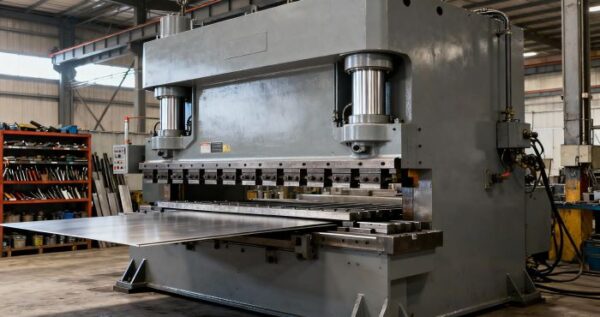
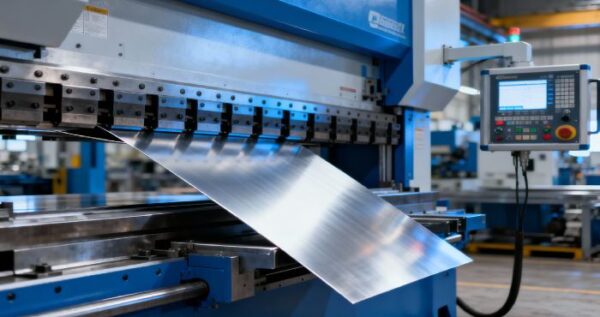
A brake press, also known as a press brake, is a type of machine tool employed for bending sheet and plate materials, primarily sheet metal. It achieves this by exerting force using a punch and die setup, allowing for the creation of exact angles and shapes essential for various industrial and consumer applications.


Operation of a Brake Press

Fundamentally, a brake press operates by utilising either mechanical or hydraulic pressure to drive a punch (the upper tool) into a die (the lower tool), which secures the sheet metal. This action results in a precise bend at a designated angle. The final shape and accuracy of the bend depend on the force applied, the design of the die, and the punch’s positioning.


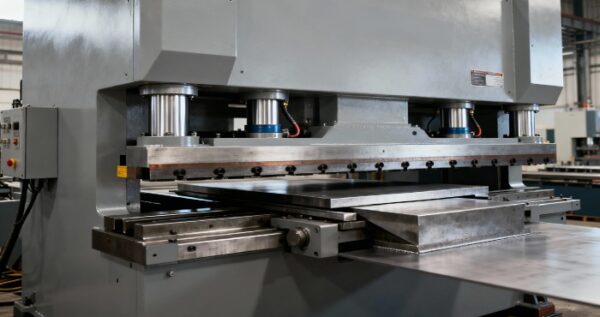
Key Components of a Brake Press


Frame:

The frame constitutes the essential structure of the brake press, delivering the necessary strength and stability for precise bending. It supports all primary components while absorbing the forces generated during the shaping process.


Ram (Slide):

The ram is the dynamic part that pushes the punch into the material to produce bends. It functions through mechanical, hydraulic, or servo-driven systems to facilitate accurate and controlled movement.


Bed:

The bed is the stable base that securely holds the die in position during use. It endures and distributes the bending forces applied by the ram, ensuring consistent accuracy in the forming process.


Back Gauge:

The back gauge serves as a positioning aid that ensures each workpiece is aligned correctly for uniform bends. It boosts productivity and consistency by automating the alignment of materials.


Punch and Die Set:

The punch and die set is central to the bending process, shaping the metal into the required angle or profile. Offered in various designs and materials, they can be customised for specific bending tasks and materials.


brake press


Types of Brake Press Machines


Advancements in technology have resulted in the creation of various brake presses, each tailored to fulfill distinct production requirements and precision standards.


1. Mechanical Brake Press

Mechanical brake presses operate using a flywheel that an electric motor powers to produce energy, which is transmitted to the ram via a crank system.


Pros:

  • High-speed operation optimal for repetitive tasks
  • Cost-efficient for small to mid-sized production runs
  • Easy to set up and maintain


Cons:

  • Limited control over stroke
  • Not ideal for intricate bends or deep formations


2. Hydraulic Brake Press

Hydraulic presses utilise fluid pressure to manage ram movement, providing enhanced accuracy and adaptability compared to mechanical models.


Pros:

  • Uniform pressure delivery
  • Flexible stroke and force adjustments
  • Capable of processing thicker materials


Cons:

  • Slower operation compared to mechanical presses
  • Needs regular hydraulic system upkeep


3. Servo-Electric Brake Press

This advanced type employs servo motors to operate the ram, delivering high accuracy and energy efficiency.


Pros:

  • Outstanding precision with programmable features
  • Environmentally friendly and energy-saving
  • Quieter operation with lower maintenance needs


Cons:


4. Pneumatic Brake Press

Pneumatic presses function by utilising compressed air for pressure application and are best suited for lighter tasks.


Pros:

  • Fast and lightweight, ideal for small, precise components


Cons:

  • Limited force capability
  • Not intended for thick or hard materials


brake press


Fundamentals of Precision Bending


Precision bending involves the technical skill of shaping metal with exactitude to fulfill design criteria. This procedure requires meticulous management of several factors, such as the type of material, its thickness, the selection of dies, and the angle of the bend.


The Bending Procedure: A Detailed Guide


Step 1: Preparation and Tool Selection  

Before the bending process starts, the right punch and die are selected according to the thickness of the material and the intended bend radius. Proper alignment and calibration of the tools are essential for achieving precision.


Step 2: Material Positioning  

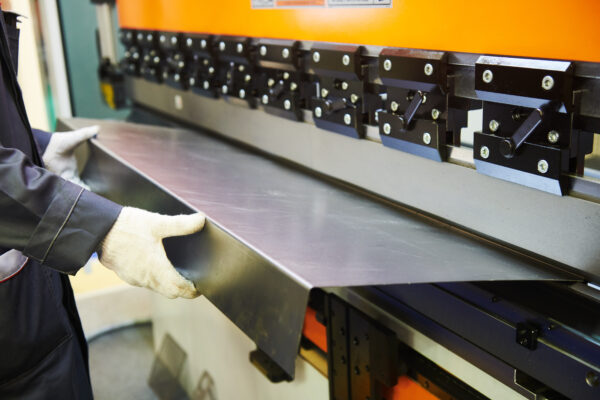
The metal sheet is secured on the machine’s bed, aligned using the back gauge to maintain uniform measurements.


Step 3: Bending Action  

During the bending action, the ram moves downward, pushing the punch into the material. This controlled force shapes the workpiece to form the desired bend angle.


Step 4: Quality Verification  

Once bending is completed, dimensions are checked to ensure they fall within tolerance limits, thus avoiding reprocessing and wasted material.


Common Bending Techniques


1. Air Bending  

This is the most prevalent technique, where the punch does not make full contact with the die, allowing for flexibility in achieving various bend angles with the same setup.


2. Bottoming (Coining)  

This method involves applying significant pressure to firmly embed the material into the die, resulting in a precise, permanent bend. It offers high accuracy but requires more force.


3. Wiping (Edge Bending)  

In this technique, the punch pushes the material against the die’s edge, bending it around a fixed point, suitable for creating flanges or small-radius bends.


Factors Influencing Bending Accuracy


Factors influencing bending accuracy in a press brake tooling setup include material properties, tooling alignment, machine calibration, and precise control of bending angles and force.


Material Characteristics

Different metals, including aluminum, stainless steel, mild steel, and copper, behave uniquely when subjected to bending stress. A firm grasp of properties such as tensile strength, ductility, and springback behavior is vital for achieving precise and reliable bends.


Managing Springback

Once bent, materials inherently seek to revert to their initial shape, a phenomenon known as springback. Properly accounting for this tendency is crucial for ensuring that the final angles and dimensions align with design requirements.


Quality of Tooling

Employing high-grade punches and dies crafted from hardened steel reduces wear and promotes consistent performance. Regular upkeep of tools also boosts accuracy and prolongs their lifespan.


Calibration of Machines

Regularly calibrating the ram, back gauge, and pressure systems guarantees correct alignment and reproducible precision. Consistent calibration is key to maintaining accuracy, even in extended production cycles.


Operator Expertise

While automation has significantly progressed, the skill of the operator remains essential for setup and optimisation. Experienced operators guarantee that each bend adheres to stringent tolerances and quality benchmarks.


Technological Advancements in Brake Press Systems


The current manufacturing landscape demands adaptability, speed, and exceptional accuracy. To meet these needs, press brake machines have evolved significantly, incorporating advanced technologies and precision engineering to enhance performance and productivity.


1. Integration of CNC Technology

CNC brake presses have transformed metalworking by providing precise control over bending angles, placement, and force.


Advantages of CNC Systems


  • Automated changes of tools and positioning 
  • Reduction of errors through digital accuracy 
  • Enhanced consistency and shortened cycle times 


2. Robotic Automation in Bending Processes

The incorporation of robotic arms with brake presses has improved production efficiency.


Benefits


  • Lower labor expenses 
  • Increased safety and reliability 
  • Capability to execute intricate multi-axis bending operations 


3. Smart Sensors and AI Incorporation

Contemporary brake presses are equipped with advanced sensors that track material changes in real-time, automatically adjusting pressure and position as needed.


Notable Innovations


  • Angle sensors for real-time adjustments 
  • Predictive maintenance systems to avert downtime 
  • AI-driven bending simulations for design optimisation


brake press


Applications Across Industries


Automotive Manufacturing

Brake presses play a crucial role in fabricating structural elements, brackets, and body panels that require exact angles and uniform quality. Their capability to maintain high precision ensures dependable mass production across various vehicle types.


Aerospace Engineering

In the aerospace field, brake presses are utilised to manufacture lightweight yet sturdy components that are essential for the safety and performance of aircraft. Their precision bending capabilities allow compliance with stringent engineering requirements while reducing material stress.


Construction and Infrastructure

These machines are extensively utilised to shape metal structures, facades, and architectural supports. Their robustness and precision make them perfect for large-scale projects that demand enduring stability.


Electronics and Appliances

Brake presses effectively create intricate metal housings, brackets, and enclosures with tight tolerances. Their precise control over bending force helps avoid material distortion, resulting in clean and professional finishes.


Renewable Energy

In the renewable energy industry, brake presses are instrumental in fabricating mounts for solar panels, components for wind turbines, and parts for electric vehicles. Their accuracy and efficiency aid in sustainable manufacturing practices.


Safety and Maintenance in Brake Press Operations

Ensuring safety is crucial in all metal fabrication activities, particularly when dealing with heavy machinery. 


1. Safety Practices


  • Implementation of Protective Barriers: Installing safety shields and light curtains helps avoid unintended hand movements during the operation.  
  • Training for Operators: Thorough training on equipment management, emergency procedures, and tool swapping reduces the risk of accidents.  
  • Routine Maintenance: Regular checks of hydraulic fluids, bolts, and sensors guarantee reliable and safe operation.


2. Maintenance Essentials


  • Frequent lubrication of moving parts is essential to minimise wear.
  • Keep an eye on hydraulic fluid levels to ensure consistent pressure.
  • Maintain accuracy by regularly cleaning sensors and back gauges.
  • Swap out any worn punches and dies before they compromise quality.


Sustainability and Energy Efficiency


With a growing emphasis on sustainable manufacturing, contemporary brake presses have been upgraded with cutting-edge energy-efficient technologies. For instance, servo-electric systems can reduce energy usage by as much as 50%, whereas regenerative hydraulic systems harness and recycle braking energy, improving overall efficiency.

Moreover, implementing sophisticated lubricants and waste-minimisation strategies allows manufacturers to comply with environmental regulations. These advancements not only decrease carbon footprints but also lower operating expenses, fostering both environmental responsibility and lasting profitability.


Future Trends in Brake Press Technology


The trajectory of brake press production is centered around automation, digital integration, and versatile materials.


  • Adoption of Industry 4.0: Advanced manufacturing facilities utilise brake presses that are linked with design software, facilitating smooth production processes.  
  • 3D Simulation for Bending: Virtual prototypes enable manufacturers to evaluate designs prior to actual production, minimising waste and mistakes.  
  • Hybrid Technologies: Merging hydraulic strength with servo-electric accuracy to achieve maximum efficiency and oversight.


The brake press, offered by Acra Machinery, is fundamental to modern manufacturing, combining precision, power, and versatility. From simple sheet bending to complex structural fabrication, Acra Machinery’s advanced brake presses enable manufacturers to meet growing demands for innovation, customisation, and sustainable production.

As sectors adopt automation, digital oversight, and environmentally friendly practices, the brake press transforms beyond a mere bending tool  –  it represents precision engineering and manufacturing superiority. In a competitive production landscape, understanding the essentials of the brake press is not merely a talent; it serves as a key asset for ensuring quality, reliability, and advancement.

Steel Cutting Bandsaw Selection: Choosing the Right Machine for Your Shop

Choosing the right steel cutting bandsaw doesn’t have to be overwhelming, even though it’s one of the most important equipment decisions you’ll make for your workshop. With Australia’s metal fabrication industry worth $29 billion, thousands of shop owners face this same challenge every year. The good news? A well-chosen industrial bandsaw can dramatically boost your cutting efficiency and reduce operating costs, while the wrong choice leaves you frustrated with slow cuts, frequent blade changes, and missed deadlines. This straightforward guide cuts through the technical jargon to help you find the perfect bandsaw selection for your specific needs.

Understanding Your Steel Cutting Requirements

Before you start shopping for a metal cutting bandsaw, take a step back and honestly assess what you’ll actually be cutting in your workshop day-to-day.

Material Types and Specifications

The type of steel you work with most often should drive your machine choice. Mild steel cutting is the bread and butter of most Australian fabrication shops, and fortunately it’s also the easiest to cut with standard setups. However, if you regularly work with stainless steel, you’ll need a stainless-steel bandsaw setup that can handle the extra heat and work-hardening properties without burning through expensive blades. Structural steel fabrication brings its own challenges, particularly when you’re working with large H-beams or heavy sections that need to meet AS 4100 building standards.

Think about the thickest and thinnest materials you cut regularly. Paper-thin sheet metal under 6mm needs completely different blade teeth than chunky 50mm plate, and your machine needs to handle both extremes comfortably.

Production Volume Assessment

Be realistic about how much cutting you actually do each week. A small workshop bandsaw with manual operation works perfectly if you’re making occasional cuts or prototypes. Medium-volume shops often find the sweet spot with semi-automatic machines that speed up repetitive work without breaking the budget. Only high-volume production bandsaw operations truly need fully automated systems that can run unattended.

Bandsaw Configuration Options

The fundamental choice between machine layouts and automation levels will shape your workshop’s cutting capabilities for years to come.

Horizontal vs Vertical Bandsaws

Horizontal metal bandsaws excel at high-volume cutting operations where speed and consistency matter most. These machines secure your material in a vice while the blade swings down through the cut, delivering superior cutting rates and maintaining excellent squareness on every piece. Most Australian fabrication shops rely on horizontal bandsaws for cutting structural steel to length, processing bar stock, and handling repetitive production runs. The automated cutting cycle means your operator can set up the next job while the current cut completes itself.

Vertical bandsaws offer unmatched flexibility for complex cutting tasks that horizontal machines simply cannot handle. When you need to cut curves, angles, or intricate shapes, a vertical bandsaw puts you in complete control. These machines shine for mitre bandsaw applications where precise angular cuts are essential, and their smaller footprint suits workshops with limited floor space.

Automation Levels

Manual bandsaws like the Karmetal KMT series provide excellent value for occasional cutting needs, requiring hands-on operation for each step of the process. Semi-automatic bandsaws such as the KDG series incorporate hydraulic bandsaw technology that automates the cutting cycle while you handle material positioning. Automatic bandsaws with twin-column designs maximise productivity in high-volume environments where consistent throughput justifies the additional investment.

Critical Selection Factors

Getting these fundamental specifications right from the start will save you costly mistakes and ensure your new machine meets both current needs and future growth.

Capacity and Size Requirements

Bandsaw capacity determines the maximum size material you can cut, making it one of your most critical decisions. Australian fabrication shops typically need machines ranging from compact 7-inch models for light work up to heavy-duty 18-inch units for structural applications. Cutting diameter specifications include both round capacity for solid bars and rectangular capacity for beams and channels.

Consider your largest regular jobs when selecting cutting capacity but also think about occasional oversized work that might come through your doors. Many shop owners regret choosing too small initially, as upgrading later costs significantly more than specifying correctly from the beginning. Steel fabrication capacity requirements in Australia often centre around common structural sizes, so discuss your typical material list with experienced suppliers.

Blade Selection Fundamentals

Bandsaw blades represent your primary consumable cost, making proper selection essential for profitability. TPI selection follows simple rules: coarse 3-6 TPI for thick sections over 25mm, medium 6-10 TPI for general work, and fine 14-24 TPI for thin materials. Metal cutting blades made from bi-metal construction typically outlast carbon steel alternatives by five to ten times, despite higher upfront costs.

Bi-metal blades resist heat buildup and maintain sharp cutting edges longer, particularly important when processing stainless steel or other challenging alloys regularly encountered in Australian workshops.

Essential Features and Technologies

Modern hydraulic bandsaws incorporate sophisticated down feed control that maintains consistent cutting pressure throughout each cut, dramatically extending blade life compared to manual systems. Variable speed bandsaws allow precise speed matching to different materials, with slower speeds for stainless steel and faster rates for mild steel applications.

Coolant systems become essential for production environments where continuous cutting generates significant heat. Digital bandsaws with programmable controls store optimal settings for different materials, ensuring consistent results regardless of which operator runs the machine.

Avoiding Common Selection Mistakes

Even experienced fabricators can fall into costly traps when choosing their next steel cutting bandsaw, but these pitfalls are entirely preventable with proper planning.

Under-specification remains the most expensive mistake, particularly when workshops choose insufficient cutting capacity or inadequate motor power for their materials. Over-specification wastes money on unnecessary features like excessive automation that smaller shops cannot fully utilise effectively.

Bandsaw selection mistakes extend beyond the machine itself to blade-related errors that plague many operations. Wrong TPI selection destroys blades prematurely, while purchasing cheap blades increases total cutting costs despite lower initial prices. Proper blade break-in procedures and maintenance requirements often get overlooked, yet these factors dramatically impact long-term operating costs and machine reliability in Australian workshop conditions.

Conclusion and Next Steps

Smart bandsaw selection requires matching machine capabilities to your specific cutting needs and production volume. Karmetal Australia offers proven solutions through ACRA Machinery’s expert consultation and comprehensive local support network.

Get in touch with us by calling 03 9794 6674 or fill out our online contact form and we will get back to you.

Frequently Asked Questions


Q1: What TPI blade should I use for cutting 20mm mild steel plate?

For 20mm mild steel plate, use a 6-8 TPI bi-metal blade for optimal performance. This tooth pitch provides the right balance between cutting speed and surface finish while ensuring at least three teeth remain in contact with the material. Bi-metal blades offer superior heat resistance and typically last 5-10 times longer than carbon steel alternatives, making them more economical for regular production work despite higher initial costs.

Q2: How do I choose between horizontal and vertical bandsaws for my fabrication shop?

Horizontal bandsaws excel for high-volume cutting of bar stock, structural steel, and repetitive production runs, offering faster cutting rates and better automation. Vertical bandsaws provide superior flexibility for complex shapes, angular cuts, and detailed fabrication work where operator control is essential. Consider your primary applications: choose horizontal for production efficiency or vertical for versatility and space constraints.

Q3: What’s the difference between manual and semi-automatic bandsaws?

Manual bandsaws require operator involvement for each cutting step, making them ideal for occasional use and varied materials. Semi-automatic bandsaws like the Karmetal KDG series automate the cutting cycle with hydraulic downfeed control, reducing operator fatigue while maintaining setup flexibility. Semi-automatic systems typically increase productivity by 40-60% over manual operation in medium-volume applications.

Q4: Why should I choose Karmetal bandsaws over other brands?

Karmetal brings 45+ years of manufacturing excellence with proven reliability in demanding Australian conditions. ACRA Machinery provides comprehensive local support, readily available spare parts, and expert technical consultation throughout Australia. Karmetal’s innovative features like digital controls and advanced hydraulic systems deliver superior cutting performance while maintaining competitive pricing for long-term value.

Q5: What size bandsaw do I need for structural steel work in Australia?

Structural steel fabrication typically requires minimum 12-inch cutting capacity to handle common Australian sections efficiently. For compliance with AS 4100 standards, choose machines capable of cutting your largest regular sections with room for growth. Consider both round capacity for solid bars and rectangular capacity for beams, channels, and angles commonly specified in Australian construction projects.

Q6: How often should I replace bandsaw blades in a production environment?

Blade replacement frequency depends on material type, cutting volume, and proper maintenance practices. Bi-metal blades in production environments typically last 8-15 hours of cutting time when properly broken in and maintained. Monitor cut quality rather than time intervals – replace blades when cutting becomes slow, rough, or requires excessive feed pressure. Proper coolant systems and correct cutting speeds can double blade life in demanding applications.

Is it Time to Upgrade Your Workshop Equipment? 5 Signs You Have Outgrown Your Machinery

Running a metalworking or manufacturing workshop is all about balancing quality, productivity, and efficiency. However, as your business grows, what once seemed like perfectly good equipment can actually start holding you back. For many workshops across Australia, aging or underperforming equipment can become a costly bottleneck. So how do you know when it is time for an upgrade? This month, we explore the key signs that your sheet metal machinery and equipment might be past its prime, what the industrial machinery upgrade process typically involves, and how investing in new machinery can help to future-proof your operations in a competitive market.

sheet metal industrial machinery
Image: sheet metal industrial machinery

1. Your Machine Downtime Is Increasing

One of the most obvious—and frustrating—signs that your machinery is no longer serving you well is increased downtime. If breakdowns and repair calls are becoming a regular part of your work week, your equipment is no longer reliable.

Downtime doesn’t just affect output. It also increases labour costs, delays deliveries, and can start to risk your reputation with clients. In a fast-paced market like Australia’s manufacturing sector, where quick turnaround times are often critical, unreliable machinery can seriously hurt your bottom line.

Tip: Track the number of hours lost to repairs or malfunctions over a 6–12 month period. If it is increasing, it’s time to assess whether repair or replacement is the better long-term investment.

2. Your Production Capacity Can’t Keep Up With Demand

As your business grows, so should your capacity. If you find yourself turning away work or struggling to meet deadlines because your machinery can’t keep up, you have likely outgrown your current setup.

Modern sheet metal machinery, especially CNC-controlled systems, can increase production speed dramatically without compromising on accuracy. Whether you’re working in automotive fabrication, custom architectural components, or general engineering, scaling up your output with newer equipment could open the door to larger contracts and more consistent revenue.

3. You are Spending More on Repairs Than You Would on Financing New Machinery

Let’s be honest—repair costs can add up quickly. If you are constantly sourcing spare parts, paying emergency call-out fees, or experiencing hidden losses from idle labour, it’s likely that you are spending more than you need to.

It may be time to look into investing in new sheet metal machinery, which can sound like a huge financial step, but weighing up what you are spending on keeping your old machinery running against the investment into a new and reliable piece of machinery may just end up benefiting you in the long run. In addition, you can look into financing and leasing options that can help to make upgrading more affordable.

Plus, modern machines often come with warranties, support packages, and predictive maintenance features, giving you peace of mind and lowering your overall maintenance spend.

4. Your Machinery No Longer Meets Industry Standards

With ever-evolving workplace health and safety regulations and customer expectations for precision and consistency, older machines may struggle to comply. In Australia, Safe Work regulations and ISO standards for manufacturing quality have made compliance more critical than ever. Failing to meet safety guidelines could put your employees at risk—and expose your business to liability.

Newer machines are often designed with advanced safety features such as automated shutoffs, light curtains, emergency stops, and user-friendly controls. Upgrading not only protects your team but also shows clients and inspectors that your workshop takes safety seriously.

5. You are Struggling to Find Parts or Technicians for Older Machines

As machines age, the availability of spare parts and trained technicians can become a real issue. If your current equipment is no longer supported by the original manufacturer—or if parts need to be imported with long lead times—it may be time to consider alternatives.

This is particularly relevant for older imported models that are no longer in production. Many workshops experience delays of weeks or even months just waiting for a single part to arrive from overseas. During that time, jobs pile up, clients get frustrated, and cash flow takes a hit.

6. You are Looking to Diversify or Enter New Markets

Expanding into new markets often requires new capabilities. For example, if your workshop currently does basic cutting and folding but you’re looking to offer more intricate custom fabrication, your existing equipment might not be up to the task. Likewise, if you are considering tendering for government or commercial contracts, your workshop must demonstrate compliance, capability, and capacity. Investing in newer machinery may be the strategic step that unlocks new revenue streams.

If your business is looking to diversify or upscale its production capabilities, consider upgrading your fabrication machinery. Updating your equipment can provide you with the ability to enter a new market, or increase your output, helping you to achieve your business goals.

Do You Need New Sheet Metal Machinery?

If your business has outgrown its machinery and you are ready to upgrade, look no further than ACRA Machinery. Backed by 42 years of industry experience, we are here to help with all of your sheet metal machinery needs, including sales, repair, and maintenance.

Get in touch with us by calling 03 9794 6674 or fill out our online contact form and we will get back to you.

Turret Punch 101 (Everything You Need To Know About Turret Punches)

If you don’t have a lot of experience with metalworking or heavy machinery, you may not be very familiar with a turret punch. In this article, our experienced professionals at ACRA Machinery break down the ins and outs of a turret punch.

What is a turret punch?

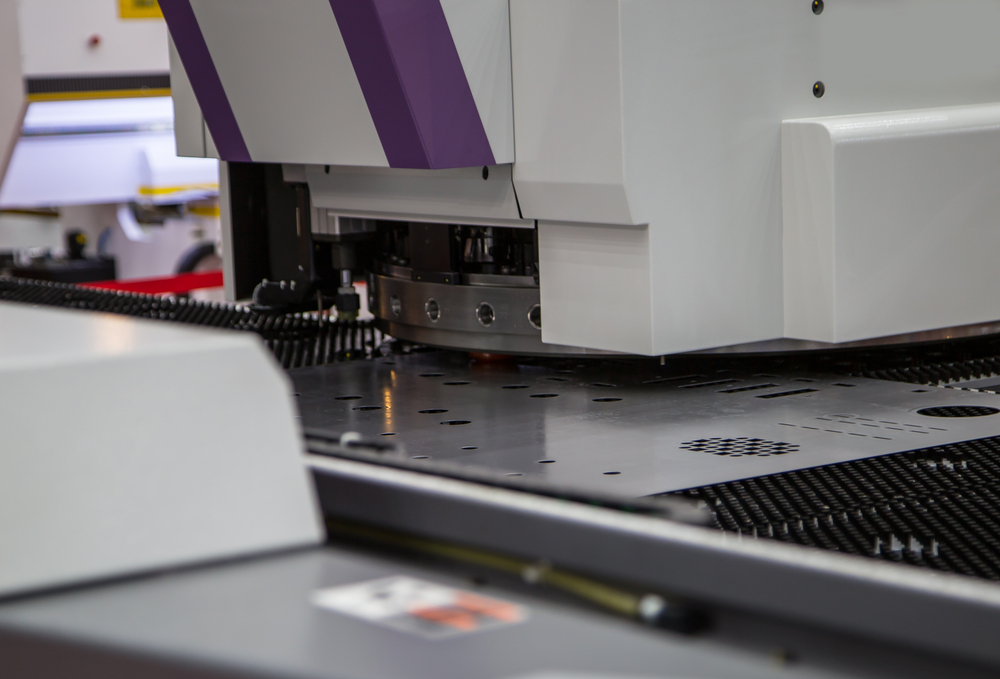
A turret punch (also known as a turret press) is a type of press punch machine that is used to manufacture metal parts by punching shapes out of large metal sheets. The machine operates by using two turrets, with one placed above the machine (called a punch) and another below (called a die). Both the die and punch will move in sync with each other to punch the required shapes from the metal. Using a turret punch is great when it comes to making holes in metal sheets as the punch can be set to a variety of sizes and is perfect for mass production. Instead of a single punch, the machine uses a series of strokes that combine standard shapes like squares, circles, and hexagons to form the desired outcome.

Turret Punch

Types of Turret Punches

There are two main types of turret punches:

  • Manual turret punch
    • Before innovations in turret punch technology, manual turret punches were used. These are C frame presses that usually come with a rack-actuated ram. Using a manual turret punch requires great familiarity and experience as the machine does not come with sheet positioning or tool changing options. Hence, picking the correct tool from the turret for each operation is necessary.
  • CNC turret press
    • CNC punching technology has made a tremendous breakthrough in turret punching productivity. This new technology allows reduced cycle time, increased machine speed and enormous simplifications in terms of how the machine works. A CNC turret press can have up to 60 press tools to pick from, making it more user-friendly. This also greatly reduces the training required before using the machine. The most common operations involving a CNC turret punch are basic punching, piercing sheet metals, nibbling, embossing, creating ribs or hinges and coining metals.

Do I need a turret punch?

It depends on what you are trying to achieve. If you want to cut many repetitive shapes in succession, a turret punch would work perfectly. However, if you are looking to cut more complex shapes, using a laser cutter might work better. Deciding which machine is best for you can sometimes be confusing so having a good understanding of the differences between a turret punch and laser cutter can be helpful.

Why should I use a turret punch?

There are many options for metal sheet manufacturing, each with its own set of unique advantages and disadvantages. Turret punches have many benefits and are typically chosen for the job if the desired outcome is high-speed production and a wide range of versatility. Turret punches are also a great fit if you’re looking to have flexibility in the scale of production as it offers more dynamic manufacturing than other methods. Anyone who needs a quick and economical way of punching holes through sheet metals should consider turret punches. The ability to contain multiple tools in one device also means that manufacturers can decrease expenses as custom punch tools for specialised jobs will not be required.

Is it dangerous and how can I avoid getting hurt?

Like all other machines, sufficient training is required before operating a turret punch. However, even with the necessary training, turret punch operators need to be fully aware of potential hazards such as contact or impact from moving parts, having hands or fingers trapped by the tool, excessive noise, slips and trips and contact or impact from unexpected machine movement. A few controls you can have in place to avoid these are defining “no-touch” areas on the machine when in operation, ensuring the machine is fully shut off when not in operation (especially when loading and unloading), wearing the necessary eye and ear protection and maintaining an overall up-to-date housekeeping procedure in your facility.

The machine itself can be dangerous if not handled properly but if you have all the right practices and procedures in place, operating a turret punch should be a breeze.

Turret Punching with ACRA Machinery

If you need some help with your current turret punch or you’re in the market for a new one, our highly trained personnel at ACRA Machinery can offer professional advice tailored to your specific needs. We stock a variety of new and used turret punch presses and can answer all your questions to help give your turret punch the longest possible operational life.

For more information on turret punching or any of our other sheet metal machines and services, get in touch with us by calling 03 9794 6674 or contact us via our online enquiry form.

3 Advantages of the Turret Punch Press

In the sheet metal fabrication process, a turret punch press punches holes and shapes of different diameters quickly and efficiently. The machinery functions by pressing a punch into the metal material and pushing the excess metal into the die. The turret punch allows multiple tool sizes to be within one machine which can have a myriad of applications and advantages for your sheet metal manufacturing process. Here, the experts at ACRA Machinery have outlined some of the benefits of using a turret punch press so you can determine if it’s the right choice for your next sheet metal project.


1. Versatility

This soft tooling machinery has the capability of producing an infinite number of shapes and holes needed for your unique project. With interchangeable tool sizing and the ability to use multiple strokes quickly and efficiently, a turret punch can create circular holes, square holes, different shapes, perforations and forms. The variety of tooling configurations allows the machine to process complex parts with ease, and without having to stop the process to change parts due to the multiple tooling in one device.


2. Cost-effectiveness

Soft tooling is cheap to buy or replace as needed, which makes it the perfect choice for those one-off sheet metal projects or low to medium production runs. Turret punch machines also have high functioning speeds and extreme efficiency which causes less production time, less wasted materials and more money saved. Using the controller, the operator can quickly rotate the turret to select a different punching tool as needed, without needing to manually replace the tooling.

A turret punch also allows the assembly of larger projects to be tested with soft tooling. This allows businesses to avoid purchasing and constructing individualised stamping dies that could later need costly modification or redesign. This makes the turret punch machine a great choice for prototypes and projects with a more flexible design.

Turret punches and laser cutters have similar capabilities and versatility however, turret punch machines are perfect for cutting many repetitive shapes in a row and are often more efficient than laser cutters due to the faster stroke speed and higher number of hits per minute. Although they have a similar versatility to laser cutters, turret punch machines also include secondary operations like extruding, deburring, blanking, and tapping that a laser cutter cannot complete.

Punching also allows more of the galvanised coating to remain on the sheet metal’s edges which prevents rusting, although may not produce the same smooth quality that is preferred by some industries. This allows the turret punch to reduce production costs in comparison to laser cutting.


3. Technology advancements for increased safety

There are many recent innovations in turret punch technology that have made the use of the machine safer and components less time-consuming. This includes self-stripping punch tools and multifunctional combination tools that do not require the need to individually index the turret for each tool. The development of CNC programming has also increased the machine’s efficiency to achieve the maximum yield from the workpiece, reducing costs and wasted materials.

Our Durma Turret Punch features automated loading and unloading for increased efficiency and to reduce manual handling and the associated risks. The computer-aided design features allow it to be operated with supervision, further reducing the risk of punch, crush and squash points that can be exacerbated by repeated tool changing. With automated clamp positioning and tool lubrication, the CAD technology of the turret punch has reduced the number of steps in the operation process, leaving operators to simply follow the appropriate shear and punch machine safety procedures.


Interested in acquiring a turret punch press for your business?

ACRA Machinery stocks a variety of new and used turret punch presses for your workshop’s sheet metal fabrication needs. Our Durma Turret Punch offers faster punching speeds than mechanical presses with the added feature of automatic loading and unloading reducing manual labour time for your operators. With over 150 years of experience, our expert technicians are available for all your sheet metal machinery needs to help give your turret punch the best possible operational life.

If you’re looking to increase your workshop’s capabilities or if you have any questions regarding our sheet metal machinery repair or maintenance services, get in touch with us by calling 03 9794 6674 or contact us via our online enquiry form.

Air filtration and your laser cutter

Laser cutting technology is widely used due to its incredible accuracy and ability to reduce workpiece contamination. The precision of laser cutters is changing sheet metal manufacturing. Although precise, laser cutters do require a certain level of maintenance including fume extraction or air filtration. As experts in laser cutting technology, the team at ACRA Machinery have detailed some of the different methods of air filtration for laser cutters so that you can find the right fume extractor for your workshop and avoid laser cutting mistakes.


Why is air filtration necessary?

While laser cutting technology is perfect for marking, engraving and cutting needs, they do emit smoke, dust, fumes, gas and debris from the metal cutting process. These fumes are unsafe for human health and so require an air filtration or fume extractor to avoid damaging the laser system or affecting the operator’s health. Laser fume extractors are important to ensure a safe workplace but there are a variety of factors that can impact which laser cutter fume extractor is right for your factory.


Factors to consider for your fume extraction needs

Before selecting the appropriate extraction method for your laser cutter, it is important to identify the contaminants that need to be extracted. Knowing the types of contaminants being released into the air from the removed materials or by the laser (in some cases) will determine the right filter and extraction units for your workplace.

To identify which by-products are released into the air by the sheet metal, read through the material safety data sheet or consult the manufacturer. Also consider if there are any assist gases such as nitrogen, oxygen or helium involved with the type of laser used in your sheet metal machinery. This will also need to be removed from the work environment.

Other factors could include the space available near the laser cutter and the workplace’s noise control needs. The type of airflow volume necessary also depends on whether the operator is simply marking or cutting the workpiece, so be sure to speak to trusted experts like ACRA Machinery when installing your laser cutting technology.


Non-filtered extraction

Non-filtered extractors prevent harmful fumes and respirable dust from entering the environment by capturing the emitted smells and particles from the laser cutter. However, this method does not remove the harmful particles from the captured air. These extractors can hold the fumes for safe removal at the end of the laser cutting process or the extractor can be fitted with a hose to directly vent the fumes outside of the workplace and into the atmosphere. It is the responsibility of the business to ensure that no harmful particles are exposed to the environment with this method.


Filtered extraction

If the fumes from your workpiece or laser cannot be safely vented into the environment, your laser cutter will need filtered extraction. A filtration system also draws the harmful fumes and air from the work area via ducting to prevent the air from entering the workplace atmosphere. Unlike exhaust blowers, filtered extractors don’t simply vent the particles and gas from the laser cutter into the environment. The fumes pass through filters that capture the airborne particles and release clean air, often at the opposite side to the intake.

Often filtered extractors will use charcoal filters that absorb chemicals and HEPA filters that catch metal and dust fumes, but there is a range of additional filtration options available to suit your needs. As part of maintaining your laser cutter, the pre-filter inner pads will need to be changed roughly once per week and HEPA filters will need to be replaced yearly at a minimum.

Filtered extractors can also have the benefit of being more portable than non-filtered extraction, which may have more permanently installed hosing for safe venting. Ultimately, the right fume extraction system will depend on how the laser cutter is used, the types of workpiece material and the site’s individual needs.


Looking to improve your laser cutting technology?

ACRA Machinery stocks a variety of laser cutting technology for your workshop including both new and used laser cutters. Our Durma laser cutters are all fitted with compact dust extraction filters for your operator’s safety and peace of mind. With over 150 years of experience, our expert technicians are available for all your sheet metal machinery needs to help give your laser cutter the best possible operational life.

If you’re looking to increase your workshop’s laser cutting capabilities or if you have any questions about effective air filtration, get in touch with us by calling 03 9794 6674 or contact us via our online enquiry form.

3 Tips for Reducing Sheet Metal Wastage when Laser Cutting

Reducing sheet metal wastage and offcuts is an important aspect in making your laser cutting machines more cost-efficient. While some wasted materials will be inevitable when cutting or bending metal, aiming to reduce the offcuts and scrap metal is at the forefront of every sheet metal manufacturer’s mind. At ACRA Machinery, we know how best to maximise the use of your offcuts and avoid scrap wastage when using your laser cutter. Read on for some quick ideas to reduce your business’ scrap metal waste.


Why is reducing wastage important?

Reducing metal waste when using a laser cutter has significant economic and environmental benefits. By planning your metal cutting techniques as efficiently as possible, you can control your manufacturing costs by maximising your material’s utilisation.

Reducing the unnecessary production of scrap metal saves your business money on material, reduces costs related to the transport of waste and reduces time spent cutting materials. It also minimises the amount of metal that heads to landfills and the emissions caused by unnecessary usage of your business’ sheet metal machines. After limiting your offcuts from your workpieces, consider investigating the process of recycling scrap metal for additional income.


1. Group pieces close together

Assess your current nesting of shapes when laser cutting. Is there a better method of arrangement that would get you a greater number of useful parts? If you are using manual nesting, be very intentional with your arrangement and group shapes together to fit the maximum number of useful pieces. For more complex or detailed projects, consider investing in automated nesting tools.

Automated nesting will combine shapes and quickly arrange designs into a pattern that allows less wastage of the workpiece, reducing your sheet metal costs. Preparing your arrangement and optimising your file layout from the beginning is also a very savvy and efficient approach for repeat orders.


2. Introduce shared cutting lines

A simple method of improving the use of your material is to always confirm that all shapes are sharing cutting lines when nesting. Rather than unnecessarily leaving space between shapes, arrange rectangular edges to share straight lines on the workpiece. This method prevents wasted material and shortens the machine’s cutting path, further reducing the usage time and running costs of the laser cutter.

Check that the laser cutting file has single cutting lines when the shapes are placed side-by-side and that you’ve accounted for how much the material the laser burns away. If your design features double lines or any overlap, your laser cutter will incorrectly cut twice.


3. Reduce curves and unnecessary components

Check for any curves or unnecessarily complex shapes during nesting to use the metal sheet as efficiently as possible. Curves and extreme details slow down the laser cutting process, so consider if there is a way to eliminate or replace these components. If the curved shapes are integral to the project, consider reducing the laser cutter’s traverse time by setting starting cuts at different positions for increased efficiency. This could be as simple as setting the first circle’s starting cut at the 3 o’clock position and setting the second circle’s starting cut at the 9 o’clock position for a shorter distance between cutting points. Remember, if the project contains many unavoidable curves and details, be sure to account for the increased process complexity in the client cost.


Keep trimmed material for future laser cutting projects

Not all scrap pieces are useless. Before simply dismissing your offcuts as wasted material, determine if there are pieces that can be reused to cut out more delicate parts. As laser cutting is highly detailed and accurate, there is little burring on the material, making the metal perfect for other projects. This could include smaller detailed work or test runs.  Although, keep in mind that many of these metals will have lost their tensile strength. Good quality storage will keep your offcuts fit for your next project by preventing damage or marks, so ensure that all scrap pieces are stored appropriately


Looking for a laser cutter?

ACRA Machinery stock a variety of laser cutters for your workshop including both new and used options. With over 150 years of experience, our expert technicians are available for all your sheet metal machinery needs to help give your laser cutter the best possible operational life.

If you’re looking to increase your workshop’s laser cutting capabilities, get in touch with us by calling 03 9794 6674 or contact us via our online enquiry form.

4 Potential Press Brake Injuries (And How to Prevent Them)

The press brake is one of the most versatile machines on the fabricating floor but, as with all heavy machinery, press brakes can be dangerous if used unsafely. Whether mechanic or hydraulic, press brakes form, punch or shear metals and other materials using high pressure which can injure workers during the operating or cleaning process, from heavy bruising to loss of limbs. At ACRA Machinery, we strive to improve worker safety in the sheet metal fabrication industry, so we’ve compiled some safety tips that can be implemented at your factory to avoid injuries unique to press brake operation.


1. Hearing loss or impairment

Press brakes are noisy during operation and may exceed safe noise intensity which can cause harm to those working near or operating the machinery. This long-term injury can be prevented by providing all workers on the factory floor with hearing protection such as earplugs or earmuffs. Regular assessments of noise levels should also occur to ensure the level of sound is safe. If following PPE guidelines in the metal workshop still does not reduce the sound to an appropriate decibel, consider installing a noise barrier or isolating your louder machines to protect your workers.


2. Cuts from sharp sheet metal

Handling sheet metal and scraps can also cause injuries unique to the workforce of sheet metal manufacturers. Sharp materials can cause cuts and lacerations to workers when performing actions like removing the workpiece from the press brake, but this risk can be reduced with safe handling procedures and protective gloves. All workers should be equipped with appropriate protective gear like hard hats, clothing that covers arms and legs, as debris and small shards of metal can enter the air during the fabrication process, causing cuts or blindness. Workpieces heat up a lot during the metalworking process, so to prevent skin injuries like cuts and burns bare skin must be covered at all times.


3. Muscle strains and back injuries

In the sheet metal sector, moving heavy pieces of sheet metal and machinery is a necessary part of the job and one of the many things to consider when designing your workshop. Strained necks and backs, and physical stress are serious risks in the industrial sector if workers lift, push or pull bulky material or machinery incorrectly or too frequently. There are also unique physical requirements in this sector such as exerting force to use tin snips on sheet metal.

To prevent muscle strains in your workplace, begin by reading WorkSafe Victoria’s Hazardous Manual Handling Compliance Code and ensure that workers have been trained in the proper lifting techniques for difficult-to-handle objects from the ground, low levels and above shoulder height. Workers should also disclose any physical limitations and know when they are required to find a second person or appropriate machinery.

Workplaces also have legal duties under the Occupational Health and Safety Act 2004 to provide and maintain a working environment that is safe and without health risks. Practices to avoid muscle strains include:

  • Ensuring that there are appropriate storage facilities at the correct height.
  • Wearing non-slip footwear with steel caps to prevent toe damage.
  • Implementing non-slip mats across even work surfaces.
  • Ensuring an appropriate workspace layout.
  • Providing and encouraging mechanical aids such as trolleys.
  • Ensuring there are enough employees and time for the task with job rotation where necessary.


4. Crushes and amputations

Crushing and amputations are arguably the scariest and the most severe press brake injuries. No workplace wants these injuries to occur to their workers and in Victoria, there is a range of safety systems and standards in place that machinery must comply with to prevent this injury. Permanently fixed guards are there to prevent workers from accessing any pinch or squash points. An unguarded press brake risks workers’ hands from becoming too close to moving parts or entering the hazardous trapping space.

There is a range of press brake guards available including two-hand controls which force the operator to maintain a safe distance during the sequence mode or a light curtain mounted close to the dies which stop the machine upon disruption. Physical perimeter guards that are permanently fixed or require tooling to be removed, particularly to prevent reaching the dies from the back, also help stop workers from becoming too close to the moving parts of the machinery and injuring themselves.

Outside of physical guards and engineering controls, there are also safety procedures in place to prevent a worker from accessing moving parts while the machine is operational.

  • Slip mats should be in place to prevent accidents.
  • The working area should be left clean and tidy to prevent tripping hazards.
  • The operator should not be on their phone or otherwise distracted from the press brake.
  • An operator should always be monitored by a highly trained supervisor.
  • The press brake must never be left unattended while operational.
  • Maintenance should be performed by a qualified professional.

When cleaning or repairing the press brake, lock out all power supplies, add chocks to prevent the ram from falling and isolate the controls to prevent accidents and entanglements with the machine. Remember to adequately train operators in all safety and harm minimisation procedures and ensure your press brake is regularly inspected and maintained to comply with all safety requirements.


Are you looking for a new or used press brake in Melbourne?

ACRA Machinery is a one-stop-shop for all your sheet metal machinery requirements including new and used press brakes from trusted brands. Browse our online catalogue or chat with one of our specialists to find the right bending machine for your sheet metal fabrication needs. We also offer on-site repair and maintenance services so you can keep your machines in prime condition.

To get in touch with our expert team, give us a call today on 03 9794 6675 or fill out our online contact form.