4 Easy Ways for Sheet Metal Manufacturers to Improve their Sustainability

As experts in sheet metal machinery repair, we value improving the longevity and efficiency of the machines we maintain and recognise that implementing greener processes within modern manufacturing plants is necessary. There are many key environmental sustainability issues in the sheet metal fabrication industryincluding creating more sustainable systems and ensuring factories rely less on toxic chemicals, produce less waste and use less power. However, there are some small measures you can take now to immediately improve your workplace’s environmental impact and save you money. Here, we’ve detailed four easy ways to make your factory more sustainable to benefit you and the environment.


1. Training and precision

Extensive training and precise cutting can reduce the negative environmental impact of wastage. For instance, sheet metal manufacturers rely on a range of toxic chemicals like solvents, cutting agents, surface treatments and hydraulic fluid which can pose a risk to the environment if not appropriately disposed of. It is important to train sheet metal workers on the appropriate amount and usage of chemicals, such as machine lubricant, to reduce waste production and ensure safety precautions are followed.

By being precise and simply selecting the best sheet metal material for your project, you can ensure that you don’t make costly mistakes, waste resources, or add to the carbon footprint of creating a whole new sheet.Many products within the sheet metal fabrication industry are sourced from non-renewable resources, so it’s important to use each item with care.


2. Invest in repairs and maintenance services

Sheet metal machinery repair can be an urgent necessity within the sheet metal industry, as machine breakdown can result in limited productivity and lost income. Rather than attempting to find poor workarounds by using the incorrect tools, repair your machines as needed to prevent mistakes and reduce metal wastage.

Routine safety checks and preventative maintenance is encouraged for all sheet metal machinery to improve the longevity of the machine and prevent costly repairs. By ensuring your machines are properly cared for with appropriate cleaning practices and regularly scheduled maintenance, you prevent wasting resources on needlessly replacing costly machinery.


3. Consider used machinery instead of buying new

For companies looking to expand their production process, buying used machinery is the most affordable option. This economic solution can allow the buyer to witness the machine’s operation in a live inspection, and it reduces the cost of depreciation that can occur when buying new machinery. This convenient practice is also more beneficial to the environment as it reduces the pollution and resources needed to manufacture and transport brand new equipment. By extending the life of used guillotines or press brakes through more sustainable purchases, the machinery gets to be used to its full capacity, preventing it from ending up in a landfill.


4. Choose greener technology

If you must buy new equipment for your factory, consider researching the options available to ensure that you have the most environmentally friendly solution. This could include small equipment changes like operating your plasma cutter with hydrogen gas to reduce the emission of carbon dioxide into the atmosphere. Implementing different techniques could also be effective such as introducing friction welding which produces less energy and toxic by-products than traditional welding practices.

At ACRA Machinery, we value continuous improvements to sheet metal machinery, which is why we note the usefulness of the environmentally-friendly features of press brakes and stock the greener Durma AD-Servo press brakes. This technology was designed to be more durable and precise, reducing wastage and improving the lifespan of the high-quality equipment. Yet another way that simply researching options and choosing more sustainable equipment can be more convenient and economical for your business.


In need of maintenance services or used machinery?

At ACRA Machinery, we are available for all your sheet metal machinery repairs and needs. We stock a wide variety of used and new sheet metal machinery including various models of mechanical, hydraulic, electric and hybrid press brakes. Our friendly team can help with all the materials you need to start your workshop and offers on-site maintenance and repair services.

For assistance in repairing your sheet metal machinery or professional advice, get in touch by calling us on 03 9794 6675 or filling out our online contact form.

8 Welding Safety Hazards (And How to Fix Them)

A weld is a necessary component of many sheet metal machinery projects, but it does come with risks due to the use of flammable gas or the high heat input of plasma. Thankfully, ACRA Machinery is here to outline the safety hazards improper welding setups and processes can pose and discuss techniques to improve worker safety in the sheet metal fabrication industry.


1. Inexperienced welders

Similarly to the operation of several sheet metal machinery, welding is a hazardous manual task. The welder should be experienced and knowledgeable in the welding technique being performed and trained in harm minimisation procedures. Improper training is a common issue within the sheet metal fabrication industry, so you should ensure that all welders strictly follow operational procedures. Supervisors should ensure that junior welders or welders who are not as familiar with a type of welding technique are never working alone.


2. Ensure the sheet metal is ready for welding

Before you weld your materials, it is important to visually inspect the surface for any potential problems. A thorough inspection of the metal beforehand and investigation of the properties of the materials and surface coating of the metal could prevent serious mistakes. Observable risks to successful and safe welds could include deep grooves, thin surfaces or if the metal is still wet.

Remember to clean metal before welding to avoid contaminants that can create resistance to the weld or cause a reaction while welding. There are many options to remove unwanted rust, paint, dust or mill scale from your sheet metal, including rubbing coarse sandpaper across the surface, sandblasting the sheet metal or using a wire brush.


3. Noise reduction

According to regulations from Safe Work Australia, welding, particularly plasma arc welding, can generate varying levels and frequencies of noise that exceed the safe exposure standard. It has been shown that surpassing the exposure standard can cause gradual hearing loss or be loud enough to cause immediate hearing loss. To effectively control the amount of noise that workers are exposed to while welding and reduce the risk of harm, it is recommended that the noise source is isolated from people by using distance and welding bays that feature sound-absorbing surfaces.

To lessen the risk, limitations should be applied to reduce how long workers can be exposed to noise over their shift. Additionally, personal hearing protection should also be provided to protect workers. For further advice on noise control, visit the Work Safe Victoria website or read their step by step approach.


4. Gases

Compressed gases are used as fuel or shielding gases for many types of welding. Precautions need to be taken to prevent gas leakage, asphyxiation or fire risks. Store and handle gas cylinders appropriately, check cylinders, including their fittings, hoses and connections, for any dents or leaks, and ensure that flashback arrestors are fitted at both ends of the oxygen and fuel gas lines.


5. Ventilation

Ventilation also prevents the risk of asphyxiation from leaking gases and welding fumes and prevents the risk of the welder overheating. Determine the risk of exposure to fumes by identifying the materials in use and the level of fumes, dust, vapour and gases generated. Common airborne contaminants from welding include nitrogen oxides formed in the weld arc, phosphine from the reaction of a rust inhibitor with welding radiation, and the lead coating on steels.

Airborne contaminants can cause many health problems such as irritation to your respiratory system, wheezing, lung damage or cancer. Consider engineering control measures by installing ventilation systems and providing respiratory protection. In the case of a dangerous, confined space, air-supplied respirators may be required.


6. Fires and explosions

Welding and grinding generate heat and sparks which pose a risk of fire and explosions. This hazard can be minimised by keeping your work area clear from any potential fuel sources and isolating flammable gases and liquids from the welding area. Firefighting equipment should also be near and easily accessible from the welding area, an evacuation plan should also be established and well-known in case of a fire.


7. Burns

Burns are one of the most common injuries of welding, with a welding arc capable of reaching 6000 °C. This can cause burns to exposed skin (similar to sunburn) or heat stress/heat stroke due to the symptoms of fatigue, lethargy and confusion going undetected by the worker. The risk of burns can be reduced by labelling hot equipment and wearing personal protective equipment and the risk of overexposure to heat can be reduced with ventilated work areas, regularly drinking water and scheduled rest breaks.


8. Electric shocks

Electric shock can occur through direct contact with the electrode or live parts, particularly when performing electric arc welding. When welding, prevent direct contact with electrodes or welding wire and ensure that the working area does not have any live components or wet surfaces. Electric shock can also be avoided by thoroughly inspecting the device before use, not leaning against the material when welding, avoiding working alone and not changing electrodes by hand while touching the workpiece.


Looking for welders and sheet metal machinery?

For safe operation, welding requires careful examination of the tool, material and environment. The experienced staff at ACRA Machinery can cater to all your sheet metal machinery needs and help you with any welding or sheet metal fabrication questions. Our passionate team also provides sheet metal machinery repairs or maintenance services to give your machines the best possible operational life.

If you would like to know more about welding or our repair services, please give us a call on 03 9794 6675 or fill out our online contact form today.

5 Tooth Types of Bandsaw Blades

Bandsaws are a versatile machine for all metal cutting needs, as one of the easiest and fastest ways to cut all kinds of metal. When it comes to straight cuts or irregular cuts, the bandsaw blade choice can really impact the final outcome. Each type of blade features different blade widths and a number of teeth for a wide or narrow cut with a smooth or rough finish.

At ACRA Machinery, we stock a range of new parts for bandsaw maintenance, including bandsaw blades. As experts in vertical and horizontal bandsaws, we’ve outlined the different tooth patterns of bandsaw blades with an explanation of their function and benefits.


The different characteristics of the blades

There are many characteristics to know when choosing the right bandsaw blade. Blades need to be hard-wearing to withstand the stress of initial impact with the material. This longevity is mainly dependent on the blade’s hardness and tooth geometry. Thicker blades are stronger and so generally produce straight cuts but can break due to the wear of bending and twisting actions.

Another important distinction is that the more teeth per inch, the finer the cut will be, whilst fewer teeth per inch creates a rougher cut, and this type is generally used for thicker sections. Each tooth type features different angles of tilt, referred to as the tooth rake, although typically at least 3 – 6 teeth should be involved in the cut at all times.

Remember to first identify what size blade your bandsaw requires within the manufacturer’s manual and that once you’ve selected the appropriate blade for your project’s requirements, you will need to break in your bandsaw blade properly. Choosing the correct blade depends on the specific needs of your project and your type of bandsaw, an incorrect tooth pattern can dramatically reduce the life of the blade. Regardless, all tooth pattern types require ongoing care to properly maintain your bandsaw blades.


1. Regular tooth blades

A common tooth pattern, regular tooth bandsaw blades feature straight teeth with deep gullets, often with a straight rake. This tooth pattern is suited for both contour and cut-off cutting. It is a general-purpose metal cutting blade for thin materials including metals and wood.


2. Hook tooth blades

This type of blade has sharp teeth that look similar to the shape of a hook. These larger teeth are widely spaced and feature an undercut face with a 10° rake angle. This teeth type will produce more coarse cuts. It can also be used for longer cuts due to the deep gullet and rake angle allowing more of the cut material to be moved aside. A hook-tooth blade is best suited for hard, nonferrous alloys and hardwoods.


3. Skip tooth blades

Similar to hook teeth blades, these types of blades have widely spaced teeth and reduce clogging when using materials like softwoods, plastics or nonferrous metals. This type of blade has a shallow gullet and a 90° tooth angle that allows the chips to come out cleanly, but the widely spaced teeth pattern makes it difficult to produce a smooth finish.


4. Variable pitch blades

This tooth pattern involves a variety of teeth in different sizes and settings. The varying angles and gullet depths reduce the vibrations, making this blade perfect for smooth but fast finish cuts and ideal for cutting curves and contouring.


5. Wavy tooth blade

This blade is different from the other types as the teeth are not aligned perfectly straight. The wavy tooth pattern involves blending groups of teeth that are angled right and left. This type of blade is suitable for cutting thin sheets, tubes and metal sections.


In need of new bandsaw blades?

With a selection of blades for all your bandsaw requirements, ACRA Machinery is ready to help with your next metal fabrication project. Our expert team offers a range of quality new and used machinery including bandsaw blades, laser cutters and press brake machines.

To learn more about our product range or the maintenance services we can provide to Melbourne sheet metal fabricators, please contact us by filling out our online enquiry form or by calling 03 9794 6675 today.

Top Notch! An Introduction to Notching

At ACRA Machinery, we recognise that notching remains an essential process for many metalworking projects. Notching is performed on the edges of the sheet metal to remove unwanted pieces from the perimeter, creating a uniquely shaped workpiece that is ready for further sheet metal processes. Notching can be used to create many complex shapes depending on the punch and die tool and can be performed on aluminium, stainless steel, high-carbon steel, titanium and alloys.


How notching differs from punching

Punching uses force to push the die through the metal and leave behind a shape outline in the workpiece that is the same size. Steel notching is very similar as it also uses force and dies to pierce and shear the sheet metal, but instead of producing a hole, notching removes shapes and excess material from the edge of the workpiece.

This can make the next step of fabrication easier by removing material that would be awkward for a bend, fold or curve, eliminating the risk of bulges or awkward, overlapping material at the join seams and edges. This process of cutting an edge or multiple edges turns the workpiece into a more feasible shape for assembly and is useful for shearing corners to create edges that join neatly into trays, boxes and brackets.


Notching options

Notching is typically performed with a turret punch press, laser cutter or corner notcher. Many different notches are available to allow you to smoothly fold or conjoin your pieces of metal and all notching angles should be carefully considered to ensure a perfect join for your project. Some notching methods include:

  • Straight notch or slit: Straight cuts made from the edge to where it is to be bent, to create a fold flap in the metal workpiece.
  • Square notch: Removes a square from the corner of the workpiece allowing for better joins with no metal overlap when the sheet is bent into a rectangular box.
  • Slant notch: Cuts the sheet metal corners at an angle of 45 degrees to make the sheet metals sides meet at right angles when bent.
  • V notch: This cuts a V shape into the edge of the sheet metal and is the perfect process for a job with a 90° bend and inside flange.
  • Wire notch: The wire notch is used on work that has wired edges to prevent the edge from overlapping at the seam.
  • Tube notch: Notching can also be helpful for hollow metal workpieces including removing material from one or both ends of a tube or removing material from the side of the tube for an easier bend without material overlap.


The function of the corner notcher

A corner notcher is a specialist machine that can easily create a new corner on the workpiece using a V-shaped blade. It can be used for a corner bend with two sides that can be folded together to form a tray shape or box without seam overlap. It functions similarly to a sheet metal guillotine, with a steel blade on the top and bottom that meet to shear unwanted material from the corners of the sheet metal. If you’ve noticed that the edges and joints of your sheet metal have unsightly bulges, a corner notcher may be a useful addition to your factory floor.

If you’re interested in creating the right angles for your next project, the Durma Corner Notcher cuts angles from 30°through to 140° with a cutting capacity of 4-6mm, leaving you with a perfectly shaped workpiece. With premium components, a small footprint for your factory floor and a convenient foot switch, it is a quality choice for every sheet metal manufacturer. The Durma Corner Notcher is a durable machine creating the specific workpiece shape required for your project to improve the accuracy of folding and other fabrication processes.


In need of sheet metal machinery?

ACRA Machinery stocks a diverse range of quality new and used machinery including the premium Durma Corner Notcher.

To learn more about our products or the maintenance services we can provide to Melbourne sheet metal manufacturers, please contact us by filling out our enquiry form or by calling 03 9794 6675.


A Complete Cleaning Schedule for your Durma Laser Cutter

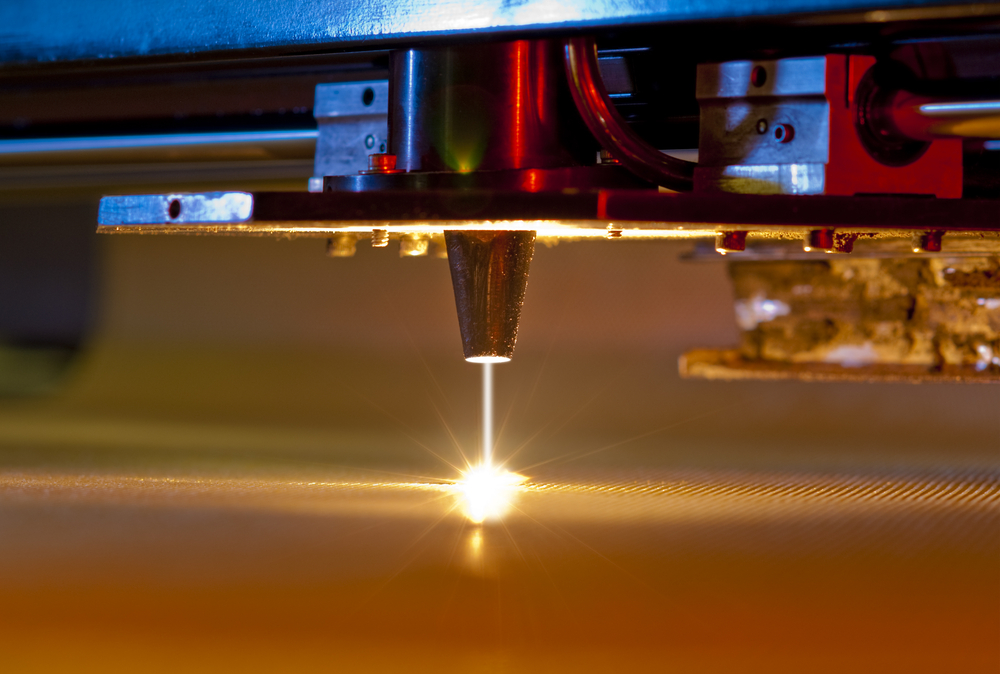
Renowned for their precision and capable of cutting intricate shapes with clean edges, laser cutters are multifunctional machines for cutting, engraving and welding metal. Although an extremely durable asset, the ensuing metal dust after cutting a workpiece requires careful cleaning. Regularly cleaning your laser cutter not only lengthens the machine’s life but reduces the risk of workplace hazards.

The thermal cutting process involves extremely high temperatures which can result in unwanted fires if dirt and debris are not cleaned away. To help you establish a cleaning schedule for your operators, ACRA Machinery has compiled a list of components that require cleaning in your laser cutter following Durma’s recommended schedule.


Safety tips when cleaning your laser cutter

It may seem obvious, but it cannot be overstated, ensure that the main power switch is turned off while performing laser cutter maintenance or cleaning. Your operator should also allow some time to pass so the device can cool down. When cleaning the internal mechanical components like the gear’s bearings, remember to wear PPE equipment such as gloves and long sleeves to avoid direct contact with metal dust.

It is also recommended to not clean the electrical devices with water or combustion liquid. The operator cleaning the laser cutter should have a strong knowledge of the machine and should not change hydraulic equipment or electrical devices without consulting professional technicians like the team at ACRA Machinery.


Daily cleaning

Daily cleaning is important to prevent dust from building up in parts of the machine, such as the optics. Before using the laser cutter, check that the lens is clean and if necessary, blow off debris with an air duster or wipe gently with lens cleaning paper to maintain the machine’s accuracy. This is only necessary if the lens is cloudy or dusty, as frequent cleaning of the optics can cause damage if done in excess.

When cutting aluminium, copper, brass and similar alloy materials, the pan of the chips and conveyors must be cleaned after use. Vacuum the dust box and ensure all areas are clear of debris before introducing a different material. When cleaning the dust box, wear a mask to prevent inhalation of the metal grit and wear gloves to prevent touching the metal debris directly.

After the cleaning process is complete, use a suction brush to prevent the dust from flying off your clothing around the workstation, or shake the dust off outdoors. It is also important to clean the scrap drawers and worktable after use to prevent the mixing of metals.


Weekly cleaning

The surrounding environment and conveyors should be cleaned weekly to prevent safety hazards. Not only will this prevent flammable debris from making its way into the machine, but it will prevent any nearby scrap from causing tripping hazards or issues for the operator of the laser cutter. It is also recommended that the spark separator of the dust collector and ducting is cleaned weekly and if necessary, the air filters and water filters should be cleaned during their weekly maintenance check.


Monthly cleaning

The central lubrication system should be maintained and cleaned monthly. This includes visually inspecting all gears and cleaning dust and particles. Components of the laser cutter that require cleaning every month also include the linear guides of the X-, Y-, and Z-axis, and the cutting head and its surroundings.


Long term cleaning

While there are many aspects of the laser cutter that require frequent cleaning for precision accuracy and safety, the mechanisms that require less attention should not be forgotten. This includes taking out the scrap conveyors for cleaning once every two to three months. For exterior cleaning, spray a cleaning product onto a cloth and gently use the cloth to clean the outside of the machine.

Adhering to a strict cleaning schedule is important for the longevity of the laser cutter and the safety of your operators. Thankfully, our Durma laser cutters are very resilient and easy to clean. Low maintenance is at the forefront of their design as many of the working parts and surfaces are covered by special protective material to prevent rusting. If any aspect of your machine is unable to be cleaned or not performing efficiently, it may require a maintenance check or replacement parts from ACRA Machinery.


Looking to invest in a quality plasma cutter?

Durable laser cutters are an excellent investment for all your metal fabrication needs. Laser cutters are quick and accurate, causing less mechanical stress than traditional machinery for less material wastage, whilst also offering smaller energy usage over plasma cutters. The knowledgeable team at ACRA Machinery is available for all your laser cutting needs and our technicians are available for on-site repairs.

Contact us today by filling out our enquiry form or call us on 03 9794 6675 to find out more about our range of new and used laser cutters.

7 Common Reasons Why Machinery Breaks Down (And How To Prevent It)

Machinery breakdowns can put a serious dent in your business’ budget – not to mention they are extremely inconvenient. As trusted sheet metal machinery repair experts, we know many different reasons why metal machinery breaks down. Since knowing how to prevent downtime is the key to staying on track with production and budget goals, we thought we’d share some of the most common reasons why breakdowns happen – and how you can prevent them in the future.

#1: Proper training has not been provided

The number one reason for machine breakdowns is a lack of experience or improper training. Anyone who is operating machinery needs to have read and understood the manual. Manuals not only include information on operating the machinery, but also maintaining, calibrating and troubleshooting it.

Business owners and managers also need to take responsibility for providing the right training to employees. Providing occupational health and safety training is a legal requirement as outlined in the OHS Act in each state of Australia. Training may include hazard identification training, induction training, and manual handling training.

#2: The workshop is dusty, wet and dirty

A workshop that is dusty, overrun with rats and full of rubbish is a recipe for disaster. Maintaining a dust-free and dry environment is vital for the protection of your electricals. Not only can a filthy workshop cause your machinery to break down, but it can also trigger a number of safety hazards for your employees. Therefore, it’s important to create and enforce a strict regime for cleanliness, which should involve:

  • No drinks in the workshop
  • Using a dust collection system
  • Checking regularly for water leaks and dust build-up (especially around wires).

#3: Poor attention to detail when it comes to maintenance

A lack of maintenance is responsible for poor machine performance and – if prolonged – can also lead to a machine breaking down. Maintenance inspections need to be carried out with close attention to detail for any issues that have the potential to further develop.

Maintenance may include:

  • Checking for signs of wear (such as vibrations or high temperatures being emitted by the machinery)
  • Assessing machinery for signs of poor operator technique
  • Looking for a build-up of excess lubricant or oil.

#4: Lack of machine lubrication

Lubrication is an essential part of operating machinery because it reduces the friction between moving parts and helps to prevent damage. Without lubrication, the friction creates heat, which erodes the surface of the metal over time. Frequent lubrication thus extends the life of your machinery by keeping it intact. To find out which type of lubrication is best for your metal machinery, check the manufacturer’s recommendations.

#5: Machines are overrun

Pushing machines to their operational limits every time they are used can cause them to wear out quickly. Due to the constant physical stress involved in overrunning machines for extended times, the friction can fast-track machine aging (such as loose bolts and cracking seals). As a result, you may find yourself having to replace or repair machinery much sooner than expected.

#6: Warning signs of damage are ignored

Business owners, managers and machine operators all need to pay attention and tend to a machine’s warning signs – no matter how minor they may seem. For example, an on-screen warning for low hydraulic pressure should be investigated immediately as it may be indicative of a more serious root issue.

#7: There isn’t a clear check-up schedule

There needs to be a regular schedule for checking on and maintaining the machinery in your workshop. Without one, problems can go unchecked and manifest over time. Eventually, this can result in a breakdown, and you’ll need to look into sheet metal machinery repair.

Your daily check-up list should include all the specific things that need to be reviewed in your workshop. Some examples of what you may need to check include:

  • Gear lubrication
  • Oil testing (including filters)
  • Machinery sealing.

Sheet metal machinery repair services in Melbourne

Pinpointing the reason for your machinery breaking down is going to save you time and money in the future. However, if you find that your machinery has already broken down, the next step is to hire a professional that will be able to conduct sheet metal machinery repair.

ACRA Machinery has been repairing and maintaining machinery since 1977. We are passionate about supporting business owners and managers in the metal fabrication industry with quality repair services and expert advice. We also stock a wide range of new and used metal machinery, which you can view online.

Call us today on 03 9794 6675 to find out more about our sheet metal machinery repair services.

15 Terms Everyone In The Metal Fabrication Industry Should Know

When it comes to sheet metal machinery and fabrication, there is no shortage of technical terms, and each is as important as the next. Hence, it’s essential for any professional in the metal fabrication industry to know what certain key terms and phrases mean. In this blog, we’ve compiled a glossary of the most important techniques, terms and tools you will come across in any metal fabrication workshop.

#1: Machinability

Machinability measures how easily a material can be shaped without using the assistance of cutting or abrasive tools. Materials with good machinability, for example, require little machine power to cut.

#2: Shrink flanging

Flanging is the process of forming or bending metal so that it sits at a 90-degree angle. Shrink flanging is when the breakline of the bend is smaller than the trim line, while stretch flanging is when the breakline is greater than the developed trim line.

#3: Die set

Although it may sound like a pair of dice, die set is actually a term that refers to the fitting together of the upper and lower die assembly (or the punch and die holders). This typically includes heel blocks, guide pin bushings and guide pins. This assembly can be purchased commercially as a unit.

#4: Welding

Welding is the process of joining materials (typically metals) together using tools that apply heat and/or pressure to fuse surfaces together.

#5: Material utilisation

This term describes the difference in weight between the raw materials that are used to produce a part, and the finished part. Essentially, a higher percentage of utilisation that is the outcome from this calculation indicates the economic efficiency of the stamping.

#6: Slitter

This piece of equipment appears in the slitting line in a metal workshop. Its slitting tools cut or shear the metal after it has unwound from the coil.

#7: Base metal (or parent metal)

The base metal is the primary piece of metal that other parts of metal are welded to.

#8: PPE

Personal protective equipment (PPE) is the protective gear that everyone in a metal workshop should wear at any given time. Workers, business owners and managers all share the responsibility of knowing how to enforce and follow PPE guidelines. There are many different types of PPE, including protective headwear and footwear.

#9: Case hardening

Case hardening is the term given to a treatment by which an iron-base alloy is heated so that its exterior (case) is made harder than the interior (core). Heat treatments can include flame hardening, carburising and cyaniding.

#10: Punch and die clearance

This refers to the space that sits between cutting edge of the die block and the cutting edge of the punch. The punch and die clearance is determined by the type of material being cut and its thickness.

#11: Surface roughness

The surface roughness refers to the fine cuts and scratches on the surface of a material after it has been through the production line. It is usually reported as a figure of micrometres or microinches.

#12: Lancing

Lancing is a cutting process and technique in which the material is cut without separating the workpiece or producing a slug (also known as scrap).

#13: Tensile strength

Tensile strength is the measurement of the greatest force or stress a material can withstand without breaking. It is often measured in pounds per square inch (PSI) or kilo-pounds per square inch (KSI or KPSI).

#14: Alloy steel

Any type of steel that contains additional elements in amounts between 1% and 5% is alloy steel. Adding these extra elements (which include nickel, boron and manganese) typically improves the strength, toughness and resistance of the steel.

#15: Elastic deformation

The term ‘elastic deformation’ is given to a deformation in materials that is recoverable or reversible when the applied force ceases. That is, the material’s changes are directly proportional to the amount of force that is applied and responds to both increases and decreases in force.

Enquire about our range of sheet metal machinery today

ACRA Machinery has been in the metal machinery industry since 1977. We are dedicated to providing the best service and advice for our customers. This includes everything from our metal machinery repair and servicing, to the range of new and used sheet metal machinery that we sell.

To explore the new and used sheet metal machinery we have on offer, browse our online collection or get in touch with us on 03 9794 6675 today.

PPE Guidelines In The Metal Workshop

Whether you specialise in laser cutting, plasma cutting, or general metalwork, staying safe in your metal workshop should be your number one priority. Business owners, managers and workers all have a shared responsibility to use equipment safely and take the right steps to avoid any potential hazards in the workshop.

Wearing the right protective gear is one of the measures you can take to avoid and prevent laser cutting hazards – but it isn’t as simple as donning an apron and gloves. To help metal workshop workers and business owners understand protective gear, we’ve put together this guide of everything you should know about it.

What is PPE?

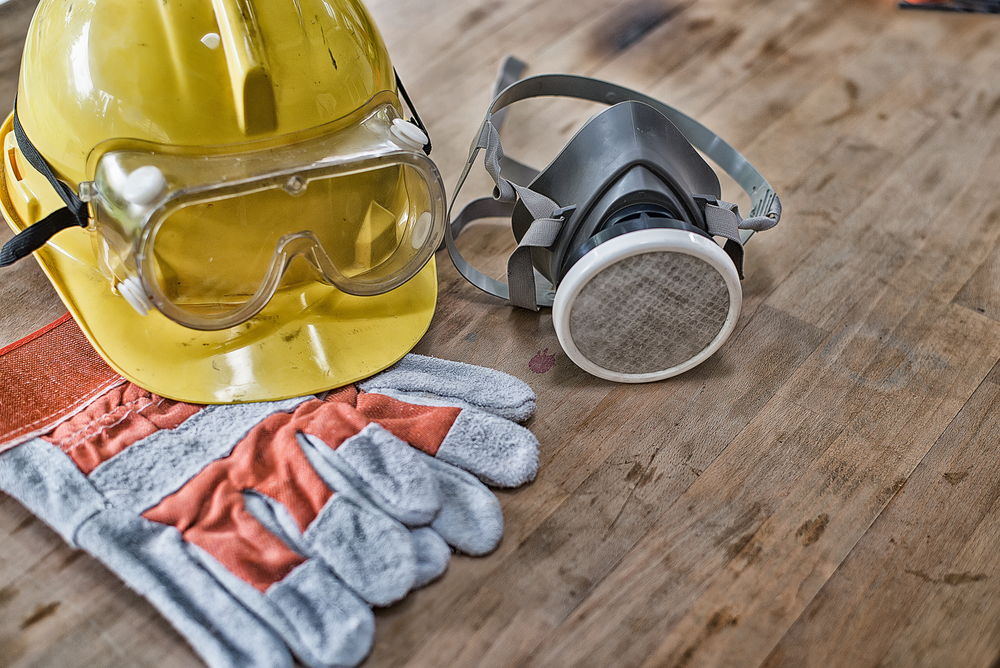
PPE (otherwise known as personal protective equipment) specifically includes clothing worn or equipment used by workers that protects them against hazards in the workplace. It can include things like:

  • Respiratory protective equipment (such as respirators or dust masks), which helps protect the respiratory system from harmful toxins and dust in the workshop
  • Hearing protection (such as earplugs or earmuffs) that will help to prevent hearing loss or impairment
  • Protective eyewear and headwear, including goggles, helmets and welding hoods
  • Harnesses (if working at heights)
  • Skin and hand protective equipment (including sunscreen, gloves and wristlets), which assists in preventing burns, cuts and electric shocks
  • General protective clothing, such as high-visibility vests, aprons, coveralls and well-fitting tops and pants
  • The right footwear (ideally non-slip, insulated with rubber and steel-capped to prevent damaging impact on toes).

To know what type of PPE you might require for your workshop, we recommend you take some time to review what you are currently using.

Risk management and PPE

So, where should PPE fit into your overall plan for risk management?

First, you need to consider your workplace health and safety (WHS) laws and regulations. Safe Work Australia is the national policy body responsible for the development of the model WHS laws, which include the model WHS Act, the model WHS Regulations and the model Codes of Practice. It’s easy to check which jurisdiction you fall under for your specific WHS regulations.

According to Safe Work Australia (with reference to the model WHS Regulations), PPE is actually one of the least effective risk management techniques. This is because PPE relies on human behaviour and supervision.

Therefore, PPE should be something you consider after you have formed a plan for risk management. It should act as a last resort, back-up or supplement to your overall plan – as opposed to being the main feature of your risk management strategy.

Business owner and manager responsibilities

A PCBU (person conducting a business or undertaking) is anyone who is in a partnership that involves conducting a business. This can include a company, a self-employed person, an unincorporated body or association, or a sole trader.

It is the responsibility of the PCBU to assess the safety conditions of a workplace and to implement the appropriate control measures to deal with risks that cannot be fully eliminated. One of these control measures may include PPE.

If PPE is not already being provided, it is the PCBU’s responsibility to do so for the workers. Apart from providing PPE, the PCBU must also:

  • Ensure adequate training and information has been provided on the use, storage and maintenance of the PPE
  • Ensure that workers are using their PPE
  • Consult with workers regarding size and fit when selecting PPE.

Worker responsibilities

Under regulation 46 of the model WHS Regulations, workers who are provided with PPE have the following responsibilities:

  • They must use and/or wear the PPE in accordance with the training, information and guidance provided by the PCBU
  • They must communicate with the business owner or manager if they notice the presence of any PPE defects, damage or contamination
  • They must not misuse or intentionally damage the PPE.

A business can take disciplinary or legal action against workers who refuse to wear (or intentionally destroy) their PPE. This is to protect their own safety, as well as the safety of others in the workshop.

Laser cutting machinery in Melbourne

At ACRA, we are dedicated to sourcing quality new and used metal machinery. Currently, we are proud to source our new laser cutters from Durmazlar, currently one of the largest and most renowned press brake manufacturers in the world.

In search of backup machinery or machinery at a better price? Our wide range of used machinery has something for every metal workshop. We ensure that all our used machinery is in reliable and safe working condition, compliant with your workshop’s safety guidelines.

The expert team at ACRA is committed to providing great service and high-quality machinery to our customers. If you want to find out more about our laser cutting machinery and more, we are more than happy to answer your questions and queries online or through our hotline, 03 9794 6675.

Can You Tick Off All 7 Types Of PPE For Your Workshop?

Personal protective equipment (PPE) is essential in every metal workshop. Under the Work Health and Safety Regulations, many businesses are actually required to provide some sort of PPE as a supplement to risk management strategy. In today’s post, we are going through a PPE checklist for your metal workshop. Use this list to ensure you’ve got the right PPE to keep your workers safe, whether they’re using a brake press or a hydraulic guillotine.

#1: Protective headwear

The right headwear protects against impact, is shock absorbing and is able to withstand penetration. In a metal workshop, there are two main types of protective headwear:

  • Hard hats
  • Welding hoods, which also protect against heat

Hard hats and welding hoods may also be worn with skullcaps or woollen liners to make them more comfortable to wear.

#2: Protective eyewear and face protection

Grinding, cutting and shaping metal are activities that can expose employees to molten metal, chemical fumes, and airborne particles. The last place you want these things to end up is an employee’s face or eyes, so providing protective equipment is essential to safeguarding these areas.

There are many different kinds of protective eyewear, including:

  • Goggles with side shields
  • Goggles that can fit over prescription glasses

To protect the face (including the nose and mouth), you may provide:

  • A full-face shield that protects against sparks/debris
  • A specific welding hood

In addition to these things, there should always be a clearly marked eyewash area close to the workstation.

#3: Protective equipment for ears

Let’s be honest: metal workshops can be noisy places. Constant exposure to a loud brake press or other sheet metal machinery can make your employees vulnerable to hearing loss or impairment, which is of course irreversible. Therefore, it’s important to try and prevent the risk of hearing damage as diligently as possible.

Auditory PPE needs to be considered with all factors in mind, such as:

  • The current hearing condition of the employee
  • How loud the specific machine is
  • What type of noise the employee is exposed to (constant or infrequent?)

After these factors have been taken into account, you can go on to decide the type of PPE that is most appropriate for the person and situation. Protective equipment for ears may include:

  • Disposable, sponge-like earplugs
  • Large, reusable earmuffs

#4: Protective equipment for the respiratory system

Working with metal (particularly welding) can expose workers to fumes containing tiny metal particles. Without PPE, these fumes can be inhaled and deposited in the lungs. Over time, this can lead to diseases like chronic bronchitis and pulmonary fibrosis. Those who work in metal workshops could potentially even be at risk of exposure to other toxic vapours, specks of dust and smoke.

There are a few ways to protect the respiratory system from metal fumes. Some examples may include:

  • Wearing approved respirators that help to supply clean air to the user
  • Wearing a dust mask to protect against splashes (note that dust masks do not prevent the inhalation of particles)

#5: Protective footwear

The right footwear is the key to preventing slippages and protecting feet from falling objects and molten metal. But what exactly constitutes ‘the right footwear’? Here are some pointers you should be looking for:

  • Rubber insulated soles, to protect against electric shock
  • Impact-resistant toe area (such as a steel-capped toe)
  • High-topped, to protect against stray sparks or welding slag

#6: Protective equipment for hands

Some metal workshops hazards that commonly affect hands include burns, cuts, electric shock, and even amputation. Like many forms of PPE, the right kind will depend on the hazard you are protecting against. For example, leather gloves are more fire-resistant than latex ones.

Apart from gloves, other hand-protecting PPE includes:

  • Hand pads
  • Wristlets
  • Long sleeves

#7: Protective clothing

The clothing worn by metalworkers should be considered with utmost importance. After all, the skin is the largest organ in the body!

The torso, arms and legs are vulnerable to many hazards in the metal workshop. If proper care is not taken to cover up these areas suitably, employees might experience:

  • Burns
  • Cuts
  • Radiation

A t-shirt and jeans do not count as PPE; nor does loose-fitting clothing. Correct PPE clothing must be well fitting, resistant to heat or cuts, and should cover all exposed skin. Aprons, suits and skin-hugging tops and pants are just some examples of what might be worn in a metal workshop.

Review your current metal machinery

You should also take the time to review the machinery in your workshop and ensure it’s still in good form; it could be time to replace your old machinery.

Acra Machinery supplies quality new and used metal machinery to the metalworking industry. Whether you’re in search of a brake press or a laser cutter, you’ll be able to find it in our extensive range. Contact us today on 03 9794 6675 to enquire!