
How to Choose the Right Fibre Laser Cutter for Your Business Needs

Choosing the right fibre laser cutter for your business can significantly impact your production efficiency, quality, and overall success. In this blog, we will explore the essential considerations and features to look for when selecting a laser cutter that’s tailored to your specific needs. From understanding the technology and assessing your business requirements to evaluating key features, budget constraints, and manufacturer support, we’ll provide a comprehensive guide to help you make an informed decision.

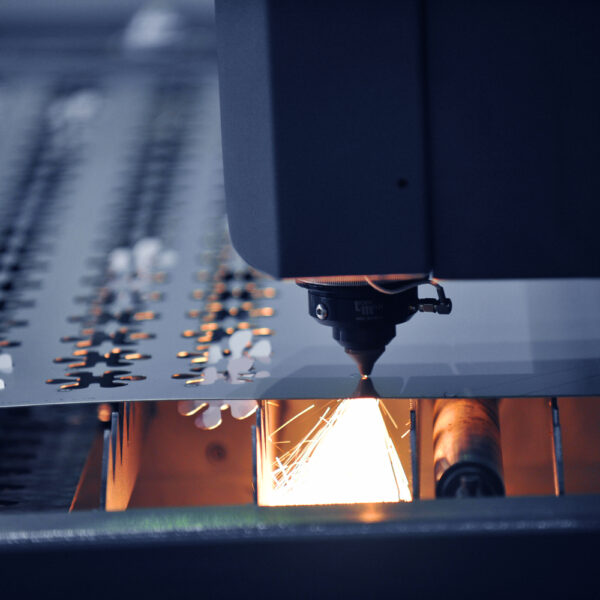
close up of fibre cutter laser

Understanding Fibre Laser Cutting Technology

A fibre laser cutter uses a highly focused laser beam transmitted through a fibre optic cable to achieve precise and efficient cuts. Known for its speed and low maintenance, this technology is ideal for cutting metals, plastics, and composites with exceptional accuracy.

When compared to other cutting methods, fibre laser cutting has distinct advantages. CO2 lasers, which use a gas mixture, are effective for cutting non-metals like wood and acrylic but generally offer slower and less precise results. Nd lasers, which utilise a neodymium-doped crystal to generate the beam, excel in detailed metal work but can be more costly and less efficient for larger tasks. Plasma cutting, which employs a plasma arc, is suited for thick metals but lacks the fine precision of fibre lasers. Lastly, waterjet cutting, using a high-pressure water stream with abrasives, is versatile and avoids heat distortion, though it is typically slower and more expensive.

Assessing Your Business Requirements

To choose the right fibre laser cutter for your business, start by defining your specific cutting needs and applications. Consider whether your focus is on detailed designs, large-scale cuts, or a combination of both. This initial step will help you pinpoint the features and capabilities required to match your operational goals.

You should also evaluate the types of materials and their thicknesses that you frequently work with, such as metals, plastics, or composites. Different laser cutters are designed to handle various materials and thickness ranges, so it’s crucial to choose one that fits your most common materials. Additionally, consider your production volume and speed requirements. If your business demands high throughput or quick turnaround times, make sure the machine you select can deliver the necessary efficiency and speed to meet these demands effectively.

Key Features to Look for in a Fibre Laser Cutter

Once you have a clear understanding of your business needs and requirements, it’s important to delve into the specific features that will ensure the laser cutter you choose meets those needs effectively. Focus on key aspects such as laser power and performance specifications, which directly impact cutting capabilities and efficiency.

Consider the bed size and work area dimensions to ensure the machine can accommodate your typical material sizes and project scales. Cutting speed and precision are also crucial, as they determine how quickly and accurately the cutter can handle your tasks. Finally, evaluate the ease of use and control interface, as a user-friendly system can significantly enhance productivity and minimise training time.

Integration and Compatibility

Ensure the cutter is compatible with your current production line, including compatibility with other machinery and workflow processes. This will help avoid any disruptions and ensure that the new equipment complements your existing operations smoothly.

Additionally, assess how the machine’s software and control systems integrate with your current systems. Seamless software integration is crucial for streamlining operations and boosting productivity. Also, consider the space requirements and installation needs for the laser cutter. Ensure there is adequate room for the machine and that the installation can be carried out efficiently.

Future-Proofing Your Investment

When selecting a laser cutting machine, it’s essential to consider how well it will adapt to future needs. Look into scalability and upgradability options to ensure the equipment can grow with your business. Choosing a model that allows for future enhancements or expansions can save you from needing to invest in new machinery prematurely. Also check how well the machine can accommodate technological advancements. Opting for a system that supports the latest technology or can be easily upgraded will help you stay competitive in an evolving market.

Ensuring long-term value and efficiency is also crucial. Evaluate how the machine’s features and performance align with your long-term business goals. Consider factors like energy efficiency, durability, and the potential for future upgrades. A well-chosen system should offer sustained performance and value, making it a wise investment for your business’s future.

Need Advice Before Purchasing Your Laser Cutting Machine?

If you need expert advice before purchasing your laser cutting equipment or require assistance with maintaining your current machinery, ACRA Machinery is here to help. With 42 years of experience in the sheet metal industry, we offer comprehensive support for machinery sales, repair, and maintenance.

Contact us at 03 9794 6675 or complete our online contact form, and we will get back to you.

5 Maintenance Tips to Extend the Lifespan of Your Laser Cutter

Laser cutters are versatile tools used across various industries for precision cutting materials like metal, wood, and acrylic. Its ability to produce intricate designs quickly and accurately makes it indispensable in manufacturing, crafting, and prototyping. Maintaining this equipment is crucial for ensuring continuous operation and achieving high-quality results. In this blog, discover five essential maintenance tips to prolong the lifespan of your laser cutter and optimise its performance over time.

Regular Cleaning and Inspection

Cleaning your laser cutter regularly is the first step in effective maintenance. Keeping the fibre cutter’s lenses and mirrors clean is important to ensure optimal precision and clarity. Using a lint-free cloth and appropriate cleaning solutions recommended by your manufacturer helps remove dust and debris that can affect cutting quality. Additionally, clearing the cutting bed of residue using a brush or vacuum with a HEPA filter prevents buildup that could lead to operational issues.

Optimise Cutting Parameters

Continuous optimisation of your laser cutter’s cutting parameters is a good way to maintain its performance while also making the most out of the lifespan of your equipment. Adjusting power and speed settings according to the material and desired results can reduce wear and tear while enhancing cutting precision. Additionally, maintaining accurate focal length through regular calibration is essential for achieving clean cuts and maintaining consistent output quality. These practices not only extend the lifespan of your laser cutter but also ensure reliable performance.

Regular Lubrication of Components

Maintaining the longevity and effectiveness of your laser cutter requires regular lubrication. Regular lubrication of moving components, such as bearings and rails, helps to prevent frictional wear and guarantee smooth operation. By doing simple maintenance, you can prevent your equipment from breaking and make it last longer. This helps it work well and boosts your productivity.

Cooling System Upkeep

Proper maintenance of your laser cutter’s cooling system is essential for its reliable performance and longevity. Regularly monitor both the quality and temperature of the water circulating through the system to prevent overheating, which can compromise cutting precision and equipment durability. Ensure the water is clean and free from contaminants that could clog or damage the system over time. By conducting routine checks and adhering to manufacturer guidelines for maintenance, you can avoid any issues that may arise from poor cooling system maintenance.

Professional Servicing and Calibration

Regular checks by qualified technicians ensure that all components of your laser cutter, including the cooling system, optics, and mechanical parts, are functioning at their best. Calibration specifically fine-tunes the machine to achieve precise cutting parameters, which is essential for achieving accurate results in various materials and thicknesses. By entrusting these tasks to professionals who are well-versed in the complexities of laser cutter maintenance, you can improve performance reliability and reduce equipment downtime.

Do You Need Assistance with Your Laser Cutter Maintenance?

If you need help with maintaining your laser cutting technology or other sheet metal machinery, look no further than ACRA Machinery. We are experts in the sheet metal industry, and we are ready to help you with all of your sheet metal machinery needs. Backed by 42 years of industry experience, we can help with machinery sales, repair, or maintenance for your sheet metal workshop.

Contact us at 03 9794 6675 or fill out our online contact form, and we will get back to you.

The Evolution of Sheet Metal Machinery: A Journey from Manual to Automated Systems

Sheet metal has been an essential material in various industries for centuries. From the early days of manual tools to the sophisticated automated systems we have today, sheet metal machinery has undergone significant transformations. This evolution has been driven by the need for efficiency, precision, and safety along with a myriad of technological advancements. This month, we explore the history and evolution of these machines, emphasising their relevance to the Australian manufacturing sector.

sheet metal machinery


Early Days: Manual Tools and Techniques

Hand Tools and Basic Methods

The earliest methods for working with sheet metal involved simple hand tools. Craftsmen used hammers, anvils, and chisels to cut, shape, and join metal sheets. This labour-intensive process required considerable skill and strength, limiting the scale and complexity of projects.

Early Machines

As the demand for metal products grew, rudimentary machines like manual shears and brakes were developed. These tools allowed for more consistent cuts and bends, but they still relied heavily on the operator’s physical effort and precision. In Australia, early settlers and industries utilised these basic tools for everything from constructing buildings to creating agricultural equipment.

The Industrial Revolution: Mechanisation Begins

Steam Power and Early Mechanisation

The Industrial Revolution brought significant changes to many industries, including metalworking. The introduction of steam power allowed for the development of more sophisticated machines. Mechanised shears, presses, and rollers began to replace hand tools, significantly increasing production speed and consistency.

The Impact on Australian Industry

In Australia, the mining boom of the 19th century drove the need for advanced metalworking machinery. Railways, bridges, and other infrastructure projects required large quantities of precisely cut and shaped metal. Mechanised equipment became essential in meeting these demands, contributing to the rapid industrialisation of the country.

The 20th Century: The Rise of Automation

Electric-Powered Machines

The advent of electricity in the early 20th century revolutionised sheet metal processing. Electric-powered machines were faster, more powerful, and more reliable than their steam-powered predecessors. This era saw the development of electric shears, brakes, and punch presses, which became standard equipment in metalworking shops.

Introduction of CNC Technology

The most significant leap forward in the 20th century was the introduction of CNC (Computer Numerical Control) technology. CNC machines use computer programming to control the movement and operation of machinery, allowing for unprecedented precision and repeatability. These machines could perform complex operations with minimal human intervention, greatly enhancing productivity.

Australian Adoption

Australian manufacturers quickly adopted CNC technology to remain competitive in the global market. The country’s automotive, aerospace, and defence industries benefited immensely from the precision and efficiency of CNC machines. Companies could now produce high-quality components in large quantities, meeting both domestic and international demand.

The 21st Century: Advanced Automation and Smart Manufacturing

Robotics and Automation

The 21st century has seen further advancements in automation and robotics. Modern metalworking machines often incorporate robotic arms and automated feeding systems, allowing for fully automated production lines. These systems can operate continuously with minimal supervision, drastically reducing labour costs and increasing output.

Industry 4.0 and Smart Manufacturing

The concept of Industry 4.0, or the fourth industrial revolution, has brought smart manufacturing to the forefront. This involves the integration of IoT (Internet of Things) devices, real-time data analytics, and AI (Artificial Intelligence) into manufacturing processes. For sheet metal fabrication, this means machines can communicate with each other, adjust operations based on real-time data, and perform predictive maintenance to avoid downtime.

Relevance to Australia

Australia’s manufacturing sector has embraced these technologies to maintain competitiveness. Advanced automation allows Australian companies to produce high-quality products efficiently, despite higher labour costs compared to some other regions. Additionally, smart manufacturing supports sustainability goals by optimising resource use and reducing waste.

Benefits of Modern Machinery

Precision and Consistency

Modern machines provide unparalleled precision and consistency. Automated systems ensure that each part is produced to exact specifications, which is critical for industries such as aerospace and medical devices where tolerances are extremely tight.

Efficiency and Productivity

Automation significantly boosts efficiency and productivity. Machines can operate 24/7 without fatigue, leading to higher output rates. This is particularly beneficial for Australian manufacturers facing high demand and tight deadlines.

Safety and Ergonomics

Advanced machines enhance workplace safety by reducing the need for manual handling of heavy materials. Safety features such as emergency stop buttons, sensors, and guards protect operators from accidents. Ergonomically designed interfaces and controls also reduce the risk of repetitive strain injuries.

Environmental Impact

Modern equipment is designed to be more energy-efficient and produce less waste. Precision cutting and forming techniques minimise scrap metal, while energy-efficient motors and drives reduce power consumption. This aligns with Australia’s commitment to sustainable manufacturing practices.

Do You Need Sheet Metal Machinery?

If you need the best 21st-century machinery for your workshop, look no further than ACRA Machinery. Take advantage of all of the technological advancements that up-to-date machinery has to offer and rely on our expertise to guide you in the right direction. Alongside sales, we also offer maintenance and repairs.

When you need machinery sales, repair, or maintenance get in touch with ACRA Machinery. Contact us at 03 9794 6675 or fill out our online contact form.

What are the Benefits of Investing in High Quality Sheet Metal Machinery?

When it comes to the manufacturing landscape in Australia, sheet metal machinery plays a crucial role. From automotive parts to kitchen appliances and beyond, sheet metal workshops are important to the manufacturing sector, and it is because of this fact that investing in high-quality machinery is so critical. This month, we explore the benefits of investing in high-calibre products for your workshop, so that you can make the best, most informed decision when it is time to purchase machinery.

sheet metal machinery

Enhanced Precision and Quality

Superior Craftsmanship:

High-quality machinery is designed with precision engineering, which is an important factor in ensuring that every cut, bend, or punch is executed with the highest accuracy. This precision then translates to superior craftsmanship, which is critical for sheet metal workshops, whatever their industry or niche. Even minor deviations in cuts or bends, for example, can have significant consequences, which is why precision and craftsmanship are so critical.

Consistency in Production:

Consistency is key when it comes to manufacturing and output in sheet metal workshops. Machinery that is top quality can guarantee that each piece produced meets the exact specifications required. A high level of consistency can help your workshop to differentiate itself from others and give you a competitive edge in the market.

Increased Productivity and Efficiency

Efficient Production Cycles:

Machinery of high quality often incorporates advanced technologies like CNC (Computer Numerical Control) and automation. These types of technologies enable faster production cycles by reducing manual intervention and minimising errors, which can lead to higher rates of output and greater efficiency in production cycles.

Reduced Downtime:

Investing in machinery of the highest calibre can also contribute to less downtime caused by breakdowns or maintenance issues. These machines utilise robust components, and with an appropriate maintenance and repair schedule, they are built to last. This makes them a reliable choice for maintaining continuous production schedulers and meeting deadlines.

Lower Maintenance and Repair Costs

Durability and Longevity:

These types of top-quality machines have durable materials and components, which means their lifespans are extended. As we mentioned above, this durability can translate to fewer breakdowns and lower maintenance costs over time, provided that maintenance is still carried out on a regular schedule, and by a qualified professional.

Ease of Maintenance:

When you invest in quality machinery, you also get the peace of mind that comes with the ease of maintenance of these products. They come with features that allow for quick diagnostics and easy access to parts that require regular servicing. In turn, this reduces some of the time and effort associated with maintenance, which can further lower operational costs.

Enhanced Safety Features

Operator Safety:

Often designed with ergonomics in mind, these products can actually provide a more comfortable working environment for operators. Ergonomic features can include adjustable controls, user-friendly interfaces, and reduced noise levels, all of which contribute to operator comfort.

Training and Skill Development:

When you make an investment in machinery, this also means an investment in operator training and skill development, which is a great benefit for your workshop. The manufacturers of these products sometimes provide comprehensive training programs to ensure that operators are fully proficient in using the equipment. This training not only empowers employees with valuable skills to carry out their roles in operating machinery but can enhance productivity. Properly trained and skilled workers can work more efficiently and safely, which is one of the many benefits investing in this kind of machinery.

Technological Advancements

Customisation and Flexibility:

Modern and high-quality machines can offer a high degree of customisation and flexibility, allowing workshops and manufacturers to adapt quickly to changing market demands. Whether it is adjusting production runs or switching to new product designs, high-quality machinery provides the versatility to stay competitive in the Australian market.

Integration with Industry 4.0:

As we have seen so far, these machines are often at the forefront of technological advancements, including industry 4.0 integration. This integration allows for seamless communication between machines, real-time data monitoring, and predictive maintenance. Investing in machinery of a high calibre can help your workshop to embrace industry 4.0 and step into the future alongside your competitors.

Environmental Benefits

Energy Efficiency:

High-quality metal machinery can be more energy efficient than lower-quality alternatives. Advanced technologies and precision engineering reduce energy consumption, which not only lowers operational costs but also helps to minimise environmental impact.

Waste Reduction:

When sheet metal machines have advanced precision technologies, this leads to less material waste. Machines that are of the highest quality can cut and bend exactly, reducing the amount of scrap metal produced. This contributes to greener manufacturing processes and aligns with environmental sustainability goals.

Do You Need Sheet Metal Machinery?

If you are a sheet metal professional or workshop in need of sheet metal machinery, look no further than ACRA Machinery. Investing in high-quality machinery is an important part of running an efficient, safe, and productive workshop, and we can help with the best machinery for your sheet metal needs. In addition to sales, we also provide machinery maintenance and repair.

When you need machinery sales, repair, or maintenance get in touch with ACRA Machinery. Contact us at 03 9794 6675 or fill out our online contact form.

What is the Role of Laser Cutting Technology in Sheet Metal Fabrication?

There is an evolution underway in Australia’s sheet metal industry, and it is one that is reshaping sheet metal fabrication. At the forefront of this transformation is laser cutting technology, which is a powerful tool that has revolutionised the way that metal components are crafted. From intricate designs to large-scale production, laser cutters can provide precision and efficiency, and are becoming a cornerstone of modern sheet metal workshops across Australia.

Introduction to Laser Cutters

Laser cutting technology represents a cutting-edge approach to precision engineering, offering manufacturers in Australia a transformative means of shaping sheet metal with unparalleled accuracy and efficiency. At its core, laser cutting harnesses the power of a highly concentrated beam of light to slice through various materials, including metals, with exceptional precision. This process, guided by sophisticated computer-aided design (CAD) software, translates intricate digital designs into tangible realities with remarkable detail and consistency.

Unlike conventional cutting methods, which may struggle to execute complex shapes and intricate patterns, laser cutting delivers precision at a level previously unimaginable. By leveraging advanced laser technology, manufacturers can overcome the limitations of traditional fabrication techniques, unlocking new possibilities for innovation and creativity in sheet metal fabrication.

The Advantages of Laser Cutters

Precision and Versatility

Laser cutters offer unparalleled precision and versatility in sheet metal fabrication processes across Australia. Unlike traditional cutting methods, which may struggle with intricate designs and complex shapes, laser cutting excels at delivering precise cuts with exceptional accuracy. The highly focused beam of light emitted by the laser cutter can navigate intricate patterns and detailed geometries with ease, ensuring consistent results from prototype to production. This level of precision enables manufacturers to create components and parts with tight tolerances, meeting the exacting standards of today’s industries.

Efficiency and Speed

One of the most significant advantages of laser cutters is their remarkable efficiency and speed. By harnessing the power of automation and advanced control systems, laser cutting machines can rapidly process sheet metal components with unparalleled efficiency. Compared to traditional cutting methods, which may require multiple steps and manual intervention, laser cutting streamlines the fabrication process, reducing lead times and increasing throughput. This efficiency not only translates into cost savings for manufacturers but also allows for faster turnaround times, enabling businesses to meet tight deadlines and respond promptly to customer demands.

Minimal Material Waste

Another key advantage of this technology is its ability to minimise material waste during the fabrication process. Unlike conventional cutting methods, which often result in significant scrap and offcuts, laser cutting produces precise, clean cuts with minimal kerf width. This means that manufacturers can optimise material usage, maximising the yield from each sheet of metal and reducing overall waste. The ability to minimise material waste not only contributes to cost savings but also aligns with sustainability goals, reducing the environmental impact of sheet metal fabrication operations.

Complex Geometries and Intricate Designs

Laser cutting technology enables manufacturers to create components and parts with complex geometries and intricate designs that would be challenging or impossible to achieve with traditional cutting methods. The high precision and versatility of laser cutting machines allow for the fabrication of intricate patterns, fine details, and tight curves with ease.

Flexibility and Adaptability

Lastly, this technology offers unmatched flexibility and adaptability to meet the diverse needs of modern manufacturing. From rapid prototyping to high-volume production runs, laser cutting machines can seamlessly transition between different tasks and materials with minimal setup time. This flexibility allows manufacturers to respond quickly to changing market demands, accommodate custom orders, and explore new design concepts without the constraints of traditional tooling. Whether it’s adjusting cutting parameters, switching between materials, or optimising production schedules, this technology provides the agility and versatility needed to stay competitive in today’s fast-paced manufacturing landscape.

The Future of Laser Cutting in Australia

As technology continues to advance at a rapid pace, the future of laser cutting in Australia looks brighter than ever. With ongoing innovations in laser technology, including advancements in automation, robotics, and artificial intelligence, the capabilities of laser cutting machines are poised to reach new heights. These developments will further enhance the efficiency, precision, and flexibility of laser cutting processes, opening up new possibilities for manufacturers across the country.

Moreover, the integration of laser cutting technology with other manufacturing techniques, such as additive manufacturing (3D printing), holds promise for even greater efficiency and customisation. By combining the strengths of laser cutting with additive processes, manufacturers can unlock new design possibilities and accelerate product development cycles, ultimately driving innovation and competitiveness in the global marketplace.

Are You in Need of Laser Cutting Technology?

Look no further than ACRA Machinery for all of your laser cutting needs. We are experts in the sheet metal industry and can help with machinery sales, repair, or maintenance for your sheet metal workshop.

Contact us at 03 9794 6675 or fill out our online contact form and we will get back to you. 


5 Facts About the Environmental Impact of Laser Cutting in Sheet Metal Manufacturing

In the world of modern manufacturing, sustainability is an increasingly important consideration. Industries throughout the world are grappling with the environmental impact of their operations and seeking ways to minimise resource consumption, waste generation, and emissions. Within sheet metal manufacturing, laser cutting technology emerges as a game-changer, because it can offer unparalleled precision, efficiency, and versatility. As with any industrial process, laser cutting comes with its own set of environmental implications, which we will explore in this month’s article. We look into the benefits of laser cutters, and the unique challenges they pose from a sustainability perspective.

Why is Sustainability Important in the Sheet Metal Industry?

Sustainability is paramount in the sheet metal industry for several reasons. First and foremost, the industry’s reliance on natural resources, such as metals and energy, underscores the importance of responsible resource management to ensure their availability for future generations. Additionally, as consumers and stakeholders increasingly prioritise sustainability in their purchasing decisions, adopting environmentally conscious practices can enhance a company’s brand reputation, market competitiveness, and customer loyalty. Moreover, regulatory pressures and compliance requirements related to environmental protection are on the rise, necessitating proactive sustainability initiatives to mitigate risks and avoid potential penalties. By embracing sustainability in the sheet metal industry, manufacturers can not only reduce their environmental footprint but also foster innovation, resilience, and long-term viability in an evolving business landscape.

1: Resource Efficiency and Material Optimisation

One of the key environmental benefits of laser cutting in sheet metal manufacturing lies in its resource efficiency and material optimisation capabilities. Unlike traditional cutting methods which can generate significant material waste, laser cutting allows for precise, intricate cuts that minimise material loss. By optimising the nesting parts within sheet metal panels, manufacturers can further enhance material utilisation, reducing the amount of raw material required for production. This not only conserves valuable resources but also lowers material costs and the expenses associated with waste disposal.

2: Energy Consumption and Carbon Footprint

While laser cutting offers impressive resource efficiency, it is important to consider its energy consumption and associated carbon footprint. Laser cutting machines require significant amounts of electricity to operate, particularly high-powered systems used for cutting thick or dense materials. As such, manufacturers must carefully manage their energy usage and explore opportunities for improving efficiency. This may involve investing in energy-efficient laser cutting equipment, optimising cutting parameters to minimise energy consumption or utilising renewable energy sources to power manufacturing operations.

3: Air Quality and Emissions Control

Another environmental consideration associated with laser cutting in sheet metal manufacturing is air quality and emissions control. The process of laser cutting can produce airborne contaminants such as metal fumes, particulate matter, and volatile organic compounds (VOCs), which can pose risks to human health and the environment if not properly managed. To address these concerns, manufacturers must implement effective ventilation and filtration systems to capture and remove harmful emissions from the workplace. Additionally, adopting cleaner cutting technologies and using environmentally friendly lubricants can help minimise emissions and improve air quality in sheet metal fabrication facilities.

4: Waste Management and Recycling

Proper waste management and recycling are essential components of sustainable sheet metal manufacturing practices. While laser cutting reduces material waste compared to traditional cutting methods, some scrap and offcuts are inevitable in the production process. Manufacturers can minimise waste generation by optimising cutting layouts, reusing scrap materials where possible, and implementing recycling programs to divert metal waste from landfills. Recycling scrap metal not only conserves natural resources but also reduces the energy intensity of metal production, making it an environmentally preferable alternative to virgin material extraction.

5: Lifecycle Analysis and Continuous Improvement

To truly understand the environmental impact of laser cutting in sheet metal manufacturing, it is essential to conduct lifecycle analyses that assess the full spectrum of environmental effects associated with the production process. This includes evaluating the environmental footprint of raw material extraction, manufacturing, transportation, product use, and end-of-life disposal or recycling. Armed with this comprehensive understanding, manufacturers can identify areas for improvement and implement strategies to minimise environmental impacts across the entire lifecycle of their products. Continuous innovation and investment in sustainable technologies will be the key to advancing the environmental performance of the sheet metal manufacturing industry and ensuring a more sustainable future for generations to come.

Are You Interested in Laser Cutting Technology?

If you need help with laser cutting technology or other sheet metal machinery, look no further than ACRA Machinery. We are experts in the sheet metal industry, and we are ready to help you with all of your sheet metal machinery needs. Backed by 42 years of industry experience, we can help with machinery sales, repair, or maintenance for your sheet metal workshop.

Contact us at 03 9794 6675 or fill out our online contact form, and we will get back to you.
Laser Cutter Safety: Best Practices for Operators in Sheet Metal Fabrication

Laser cutting has revolutionised the sheet metal fabrication industry, offering precision, speed, and versatility in shaping various materials. However, the power and precision of laser cutters also comes with inherent risks, making safety paramount for operators and people working with these machines. In this comprehensive guide, we dive into the best practices and protocols to ensure the safety of operators in sheet metal fabrication environments. Keep reading to be informed about how to stay safe around laser cutting technology, and ensure that your workshop is both safe and operating efficiently.

laser cutter technology

Understanding the Risks

Before explaining necessary safety protocols, it is crucial to understand the potential hazards associated with laser cutters. Laser cutting involves the use of highly concentrated beams of light to cut through materials, which can result in severe burns, eye injuries, and fires if not handled properly. Additionally, the interaction between the laser beam and certain materials can produce hazardous fumes and particles, posing respiratory risks to operators.

1: Training and Education

One of the most effective ways to mitigate risks associated with laser cutting is through comprehensive training and education programs for operators. Proper training ensures that operators understand the fundamentals of laser cutting technology, including machine operation, maintenance procedures, and safety protocols.

Operators should receive training on:

  • Safe machine operation, including start-up, shutdown, and emergency procedures
  • Proper handling of materials and loading techniques to minimise the risk of accidents
  • Understanding the importance of personal protective equipment (PPE), such as safety glasses, gloves, and protective clothing
  • Recognition and mitigation of common hazards, including laser beam exposure, electrical hazards, and chemical exposure
  • Emergency response protocols, including evacuation procedures and first aid measures

In addition, regular refresher training sessions should be conducted to reinforce safety protocols and address any updates or changes in machine operation.

2: Personal Protective Equipment (PPE)

Personal protective equipment is a critical component of laser cutter safety. Operators should wear appropriate PPE at all times when working with laser cutters to minimise the risk of injury. This includes:

  • Laser safety glasses designed to protect against specific wavelengths of laser light
  • Heat-resistant gloves to protect against burns when handling hot materials or components
  • Protective clothing made from flame-resistant materials to minimise the risk of burns
  • Closed-toe shoes with non-slip soles to prevent slips, trips, and falls in the workshop environment

Operators should inspect their PPE regularly for signs of wear or damage and replace any compromised equipment immediately.

3: Machine Maintenance and Inspection

Regular maintenance and inspection of laser cutting machines are essential for ensuring safe operation and preventing accidents. Operators should adhere to manufacturer-recommended maintenance schedules and perform routine inspections to identify and address potential issues promptly.

Maintenance tasks may include:

  • Cleaning and lubricating machine components to ensure optimal performance
  • Checking and calibrating laser alignment to maintain cutting precision
  • Inspecting electrical components for signs of wear or damage
  • Monitoring ventilation systems to ensure proper airflow and fume extraction
  • Verifying the functionality of emergency stop buttons and safety interlocks

Any maintenance or repair work should be only performed by trained technicians following established procedures to minimise the risk of accidents or equipment damage.

4: Workspace Organisation and Housekeeping

Maintaining a clean and organised workspace is crucial for minimising hazards and promoting a safe working environment. Operators should adhere to the following housekeeping practices:

  • Keep work areas free of clutter and obstructions to prevent trips and falls
  • Store materials and tools in designated areas to minimise the risk of accidents
  • Properly dispose of waste materials, such as scraps and debris, to reduce fire hazards
  • Ensure adequate lighting in work areas to promote visibility and reduce the risk of accidents

Regular inspections of the workspace should be conducted to identify and address potential safety hazards promptly.

5: Emergency Preparedness

Despite rigorous safety measures, emergencies can still occur in sheet metal fabrication environments. Operators should be prepared to respond to emergencies effectively by:

  • Familiarising themselves with emergency procedures and evacuation routes
  • Maintaining a well-stocked first aid kit with essential supplies for treating minor injuries
  • Conducting regular emergency drills to practice evacuation procedures and response protocols
  • Designating trained personnel to act as first responders in the event of an emergency

Additionally, operators should be aware of the location and proper use of emergency equipment, such as fire extinguishers, eye wash stations, and emergency showers.

Do You Need Assistance with Laser Cutting Technology?

When you need help with sheet metal machinery, look no further than ACRA Machinery. As experts in the sheet metal industry, we are ready to help you with all of your sheet metal machinery needs. We can provide you with the very best in expertise, machinery repair, and maintenance, backed by our 42 years of industry experience and exceptional customer service.

Whether you need sales, repair, or maintenance, discover how we can help with your sheet metal machinery. Contact us at 03 9794 6675, or fill out our online contact form.

10 Things to Consider When Choosing Sheet Metal Machinery for Your Workshop

When you are setting up or upgrading a workshop it requires a lot of careful thought and consideration, especially when it comes to selecting the right sheet metal machinery. The choices you make at this stage can have big impacts on the efficiency, productivity, and overall success of your operation. This month, we explore 10 of the most important things to keep in mind and consider when it comes to choosing your machinery for a sheet metal workshop in Australia.

1: Understanding Your Workload and Requirements

Before you can dive into any machinery specifics, it is necessary that you assess the workload and requirements of your particular workshop. You should consider the type of projects you will be handling, the size and thickness of the sheet metal materials you will need to work with, and the expected production volume. When you understand these factors, it will guide you in choosing machinery that aligns with the specific needs of your workshop.

2: Types of Machinery

There are several different types of machinery available, all of which serve distinct purposes and perform separate functions. Some of the essential types include sheering machines, press brakes, laser cutters, roll forming machines, and punching machines. You must first understand what each of these machines does and what they provide and also have a keen understanding of the functions that you need your machinery to perform.

3: Quality and Precision

In a sheet metal workshop, precision is paramount at all times, and that’s why it is necessary to invest in machinery from reputable suppliers and manufacturers. This way you can rest assured that your equipment is of the highest quality and that you will be able to produce quality work. It is important to look for features such as digital displays, precise measurement systems, and durable construction. High quality machinery ensures accuracy in your work and longevity for your investment.

4: Space Considerations

It is very common for workshop space to be at a premium in the workplace, so it is very necessary to consider the footprint of any machinery that you are planning to purchase. Optimise your workspace by selecting machines which are appropriately sized for the function you need them to perform, but also which allow for efficient material flow and operator movement.

5: Automation and Technology Integration

Modern workshops benefits from automation and technology integration. You should carefully consider the level of automation that your operation and projects will require, and select machinery that aligns with your technological preferences and capabilities.

6: Ease of Maintenance

It is a fact that regular machinery maintenance is absolutely crucial for the longevity and optimal performance of your machinery. Consider choosing machines that are designed for easy maintenance by looking out for factors such as accessible parts and clear documentation. This not only helps with safety, but also minimises downtime and ensures that your workshop can operate smoothly.

7: Energy Efficiency

In our increasingly environmentally friendly world, energy efficiency is a significant consideration for many people and businesses. Look for machinery that is designed to minimise energy consumption without compromising on performance. Not only will this contribute to your sustainability efforts, but it can also result in cost savings in the long-term.

8: Compliance with Australian Standards

Ensure that the sheet metal machinery that you choose complies with Australian standards and regulations. Safety is absolutely non-negotiable, and compliance with these standards helps to ensure a secure working environment for you and your team. Check for things like certifications and adherence to industry standards before making any purchases.

9: Training and Support

You also need to consider the availability of training for your operators and the level of support offered by the manufacturer. Proper and comprehensive training means that your team can utilise the machinery efficiently and safely. In addition, reliable customer support can be invaluable to you when you need to address any issues or queries that arise during operation.

10: Budget Considerations

While it might be tempting to focus solely on the initial and upfront costs of buying machinery, it is essential to consider the long-term value of your investment. While quality machinery might have a higher upfront cost, it can also provide better performance, reliability, and longevity. It is necessary to assess your budget carefully and consider both your immediate financial constraints, and the overall return that you will get from your investment.

Are You Ready to Invest in Sheet Metal Machinery?

Then get in touch with ACRA Machinery. We are proud to be experts in sheet metal machinery sales, maintenance, and repair, and we pride ourselves on bringing sheet metal expertise and exceptional service to all of our customers. With 42 years of experience in the sheet metal industry, we know the importance of careful thought and consideration when it comes to selecting new machinery for your workshop.

If you need help with machinery, call us at 03 9794 6675, or fill out our online contact form and we will take care of your enquiry.

Cutting-Edge Technology: Exploring Industrial Laser Cutters

In the world of metal fabrication, precision and efficiency are paramount. Whether you’re working with stainless steel, copper, or aluminium, the tools at your disposal must be up to the task. One tool that has risen to prominence for its precision and efficiency is the industrial laser cutter. Laser cutter machines offer significant advantages in the industrial sheet metal fabrication industry.

The Advantages of Laser Cutting

Laser cutters have earned their reputation as the leading technology in cutting systems for several compelling reasons. First and foremost, they are highly regarded for their energy efficiency, consuming less power, and requiring less maintenance compared to alternative cutting methods, resulting in a cost-effective choice. Their high-speed cutting capabilities contribute to exceptional productivity, enabling more work to be completed in less time. Particularly noteworthy is their ability to deliver optimal cutting results, especially when working with reflective metals like brass, copper, aluminium, or stainless steel, unmatched in precision.

Laser cutting also minimises the chance of material warping, preserving the integrity of your workpieces. It is a clean process that significantly reduces contamination and the need for extensive clean-up.

How does an Industrial Laser Cutter work?

Industrial laser cutters work by focusing high-intensity laser beams, often CO2 or fibre lasers, onto materials. The laser source emits a concentrated beam, which passes through focusing optics to ensure precision. A computer numerical control (CNC) system directs the laser’s path based on a loaded design or pattern. The laser rapidly heats, vaporises, or melts the material at the point of contact, resulting in clean and precise cuts. Assist gases, like nitrogen or oxygen, can be used to aid the cutting process, and an exhaust system removes by-products. Cooling systems dissipate the heat generated during operation, while operators monitor and adjust for quality control. The finished product boasts smooth edges with minimal post-processing. Industrial laser cutters find applications in diverse industries, delivering speed, precision, and versatility in manufacturing and design.

Let’s look at some of the commercially available industrial laser cutters available on the market currently:

Glorystar

Glorystar Laser Group, with over 20 years in the industry, is a global leader in laser equipment manufacturing, specialising in metal laser cutting and welding solutions. Their GS-CE Fibre Laser is a versatile metal cutting solution, known for precision, speed, and reliability. Additionally, Glorystar offers the GS-HG Tube Cutting Fibre Laser, designed for precise and efficient tube and profile cutting.

Durma HD-F Fibre Laser

The Durma HD-F Series IPG Fibre Lasers are renowned for their exceptional cutting speed, precision, and energy efficiency. They feature a rigid body structure ensuring stability and accuracy, a compact design maximising space and efficiency, and different motion system options for high precision. The convenient shuttle table and pallet change system facilitate effortless material loading and unloading, keeping production running smoothly. These fibre lasers are available in various power ranges from 0.5kW to 10kW, catering to a wide range of applications. For those with limited floor space, the Durma HD-FS Series IPG Fibre Lasers offer a compact design with the same precision and efficiency, making them suitable for tight spaces.

Why use an industrial laser cutter?

Industrial laser cutters are the epitome of precision and efficiency in the metal fabrication industry. Whether you’re in need of high-speed cutting, precision cuts, or a clean and efficient process, laser cutters have you covered.

From Durmazlar’s state-of-the-art fibre laser cutters to Glorystar’s versatile options, there’s a laser cutter for every application. The right choice depends on your specific needs, and with guidance from ACRA Machinery’s experienced team, you can make a well-informed decision.

Do You Need Sheet Metal Machinery or a Laser Cutter?

Sheet metal professionals understand that using sheet metal machines safely and efficiently is crucial for workshops in Australia. That’s where ACRA Machinery comes in. With 42 years of industry experience, ACRA Machinery is a trusted partner for manufacturers in the sheet metal industry.  We are your local source for these state-of-the-art fibre laser cutters from Durmazlar and Glorystar. Our team provides high-quality machinery maintenance, repairs and expert advice, ensuring that you can make informed decisions for your business.

When you are in need of sheet metal machinery salesrepair, or maintenance, look no further than ACRA Machinery. Contact us at 03 9794 6675, or fill out our online contact form and we will be happy to get back to you.