
Understanding Plasma Cutting: Applications, Advantages, and Limitations

Plasma cutting has revolutionised the metal fabrication industry, transforming how manufacturers approach sheet metal processing across Australia and globally. Plasma cutters harness the fourth state of matter—plasma—to slice through conductive metals with remarkable precision and speed, reaching temperatures of up to 20,000°C that instantly melt material at the cut line. This thermal cutting technology has become the backbone of modern manufacturing operations.

From the bustling fabrication shops of Melbourne to the heavy industry corridors of Newcastle, plasma cutting systems have become indispensable for their unmatched combination of speed, versatility, and cost-effectiveness. Unlike traditional cutting methods, plasma technology delivers cutting speeds up to 12 times faster than oxyfuel whilst maintaining operating costs 25-40% lower than laser cutting systems.

The global plasma cutting market, valued at nearly $2 billion in 2024, continues expanding as manufacturers recognise plasma’s sweet spot in the 6-50mm thickness range where it outperforms both laser and waterjet cutting in productivity. Whether you’re fabricating automotive components, structural steel, HVAC ductwork, or marine applications, understanding plasma cutting’s applications, advantages, and limitations becomes crucial for competitive manufacturing operations.

This comprehensive guide examines how plasma cutting fits within today’s industrial cutting landscape, helping Australian manufacturers make informed decisions about this transformative technology that’s reshaping modern metal processing capabilities.

Technical Fundamentals of Plasma Cutting

Plasma cutting operates through a sophisticated process that transforms ordinary compressed gas into an extremely hot, electrically conductive cutting medium. The technology begins when compressed gas flows through a precisely engineered orifice whilst a high-voltage electrical arc ionises the gas molecules, stripping electrons from atoms to create the plasma state.

The Plasma Formation Process

The plasma arc formation follows a carefully orchestrated three-step sequence that ensures consistent cutting performance. Initially, a 5,000 VAC high-frequency spark briefly ionises the gas within the torch head, creating the foundation for plasma generation. This is followed by a pilot arc forming between the electrode and nozzle inside the torch assembly. Finally, when this pilot arc contacts the grounded workpiece, the main cutting arc transfers from the electrode to the material, establishing the active cutting process that reaches temperatures between 20,000°C to 40,000°F.

System Components and Gas Selection

Modern plasma cutting systems employ sophisticated component designs to maintain arc stability and optimal cut quality throughout operation. The electrode, typically featuring a hafnium insert with exceptional heat resistance, can sustain 300 to 1,000+ arc starts before requiring replacement. The nozzle serves as the critical component that constricts and shapes the plasma gas through precisely machined orifices.

Gas selection significantly impacts cutting performance across different materials and applications:

  • Oxygen provides the fastest cutting speeds on mild steel through oxidation reactions
  • Nitrogen produces clean cuts on stainless steel and aluminium by preventing oxidation
  • Argon-hydrogen mixtures deliver the highest temperatures for thick materials exceeding 12mm

Advanced systems achieve current densities of 40-50K amps per square inch, dramatically exceeding conventional systems’ 12-20K range for superior precision.

Primary Applications Across Industries

Plasma cutting has become essential across diverse manufacturing sectors, demonstrating remarkable versatility in metal fabrication applications that span from precision automotive components to massive shipbuilding projects.

Automotive Manufacturing
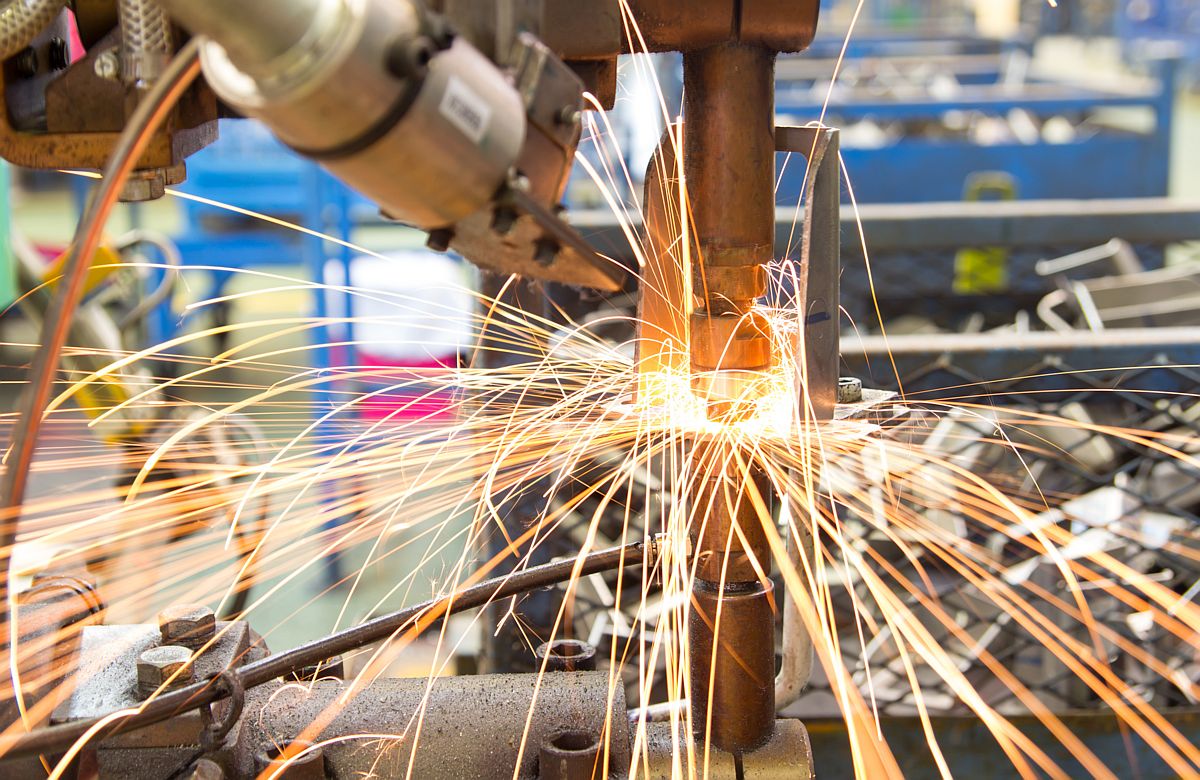
automotive manufacturing plasma cutting

The automotive industry leverages plasma cutting systems extensively for fabricating body panels, chassis components, and exhaust systems with stringent accuracy requirements. Modern automotive manufacturers achieve precision tolerances down to ±0.5mm using advanced CNC plasma systems that handle the complex curved and contoured shapes required for aerodynamic vehicle designs. Portable plasma systems have revolutionised automotive repair shops, enabling custom modifications and efficient removal of rusted sections whilst maintaining the structural integrity of vehicle frames.

Shipbuilding and Marine Construction
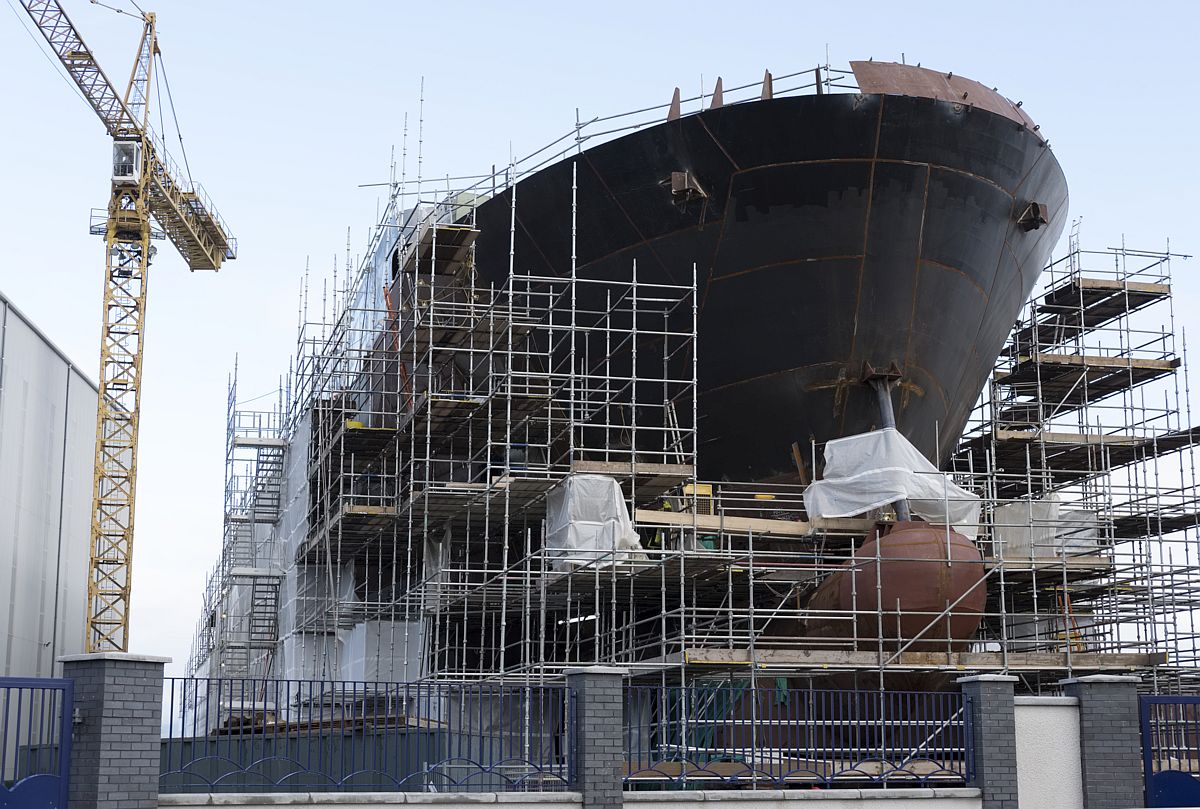
ship building plasma cutting

Shipbuilding represents one of plasma cutting’s most demanding applications, with shipyards utilising the technology to cut steel plates up to 150mm thick for hulls, bulkheads, and structural components. Great Lakes Shipyard’s recent 92-foot tug fabrication project required cutting 530,000 pounds of steel plate, demonstrating plasma’s capability to handle massive material thickness requirements efficiently. The technology’s ability to cut complex curved geometries essential for ship design, combined with portable systems for on-site repairs during dry dock operations, has made plasma cutting indispensable for marine construction and maintenance activities.

HVAC and Structural Steel Fabrication
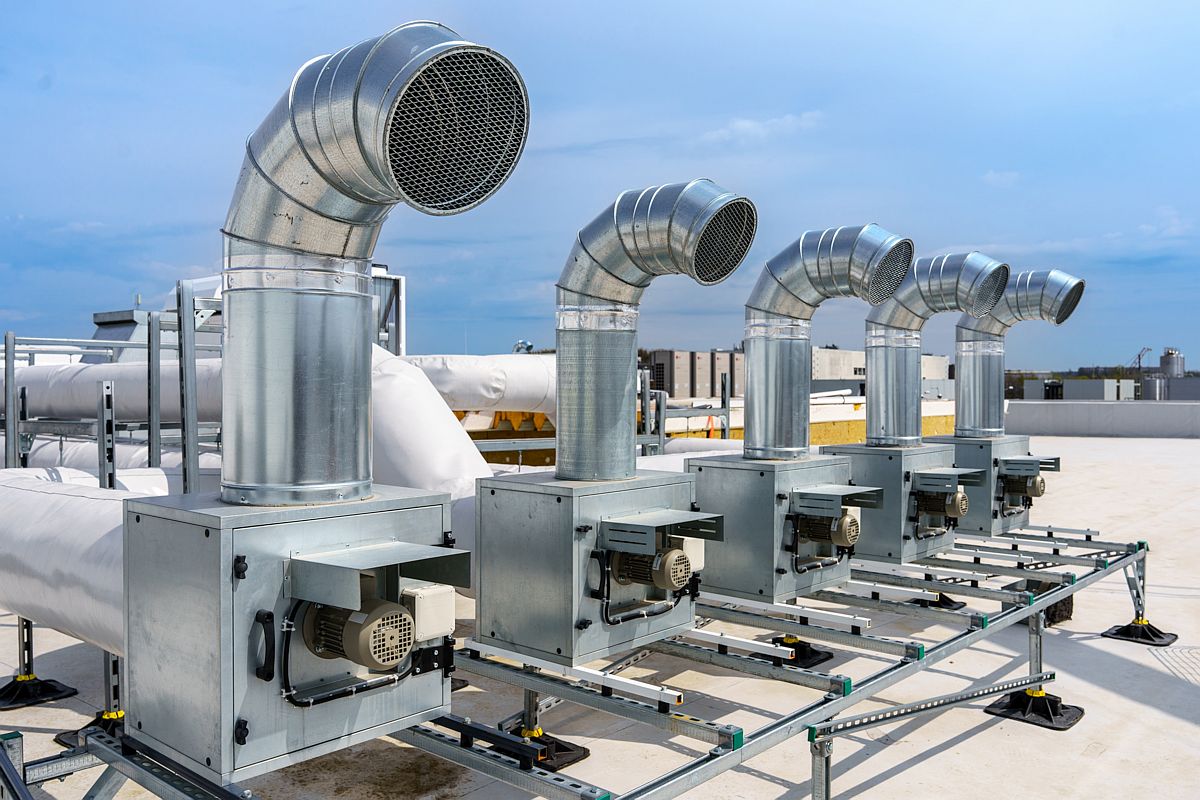
hvac manufacturing plasma cutting

The HVAC industry has experienced tremendous productivity gains since plasma automation emerged in the early 1980s, with specialised CNC systems automatically generating flat patterns from 3D ductwork designs. These systems process galvanised steel from 0.4-6mm thickness, creating custom fittings and transitions unavailable as standard components. Structural steel fabricators employ plasma for cutting I-beams, angles, channels, and plates for building construction, with heavy-duty systems handling thick steel beams for bridge and infrastructure projects throughout Australia.

Competitive Advantages Analysis

Plasma cutting delivers compelling performance advantages that position it as the optimal choice for medium-thickness metal fabrication operations, offering superior speed, cost-effectiveness, and operational flexibility compared to alternative cutting technologies.

Speed Performance Metrics

Plasma cutting systems demonstrate clear superiority in cutting speed across the thickness range where most industrial fabrication occurs. On 10mm mild steel, high-definition plasma cutters achieve cutting speeds of 2,500 mm/min compared to 1,500 mm/min for fiber laser systems and merely 150 mm/min for waterjet cutting. This speed advantage becomes even more pronounced on thicker materials, with plasma maintaining 1,200 mm/min at 20mm thickness whilst laser performance drops to 400 mm/min, representing a threefold productivity advantage.

The pierce capability of plasma technology further enhances operational efficiency, requiring just 2 seconds to pierce 16mm steel compared to oxyfuel’s 30-second requirement. Modern CNC plasma systems can process materials up to 12 times faster than traditional oxyfuel methods on medium thickness applications.

Economic Comparison

Operating costs strongly favour plasma across multiple financial metrics that impact manufacturing profitability. Initial equipment investment ranges from $15,000-100,000 for industrial plasma cutting systems, compared to $250,000-1,000,000+ for fiber laser systems and $150,000-600,000+ for waterjet equipment. Daily operational costs run approximately $15 per hour for plasma versus $20-30 for laser and $19-37 for waterjet operations.

These lower costs stem from plasma’s elimination of expensive assist gases required by laser systems, where nitrogen can cost $0.50+ per cubic metre. Entry-level plasma systems cost one-quarter to one-tenth of comparable laser investments, delivering faster payback periods of 2-3 years versus 5+ years for laser technology.

Material Handling Capabilities and Operational Flexibility

Plasma cutting excels at handling thicker materials economically, with capability extending to 50mm+ compared to laser’s practical limit of 25-30mm thickness. The technology maintains superior cut quality on thick sections with better pierce capability than laser systems, whilst being less sensitive to material surface conditions that can affect other cutting methods.

Technical Limitations and Constraints

Understanding plasma cutting limitations proves essential for proper application and realistic performance expectations, as the technology faces specific constraints that Australian manufacturers must consider when selecting appropriate cutting methods for their operations.

Precision and Tolerance Limitations

Dimensional accuracy represents the most significant limitation when comparing plasma to competing cutting technologies across Australian metal fabrication facilities. Tolerance capabilities vary substantially by system class, with handheld plasma cutters achieving ±1.6mm tolerance for experienced operators, whilst heavy industrial CNC systems reach ±0.25-0.51mm depending on material and thickness. These tolerances fall considerably short of laser cutting’s ±0.05mm capability, though they exceed oxyfuel’s ±0.8-1.5mm range commonly found in Australian workshops.

The inherent 4-5 degree bevel angle in the cut face, caused by the swirling plasma arc action, becomes more pronounced with thicker materials and smaller hole geometries. Kerf width typically ranges from 1.3mm to 8.6mm depending on plate thickness and amperage settings, which affects material utilisation efficiency in nested cutting operations throughout Australian fabrication shops.

Heat-Affected Zone and Material Constraints

The heat-affected zone presents another critical consideration for Australian manufacturers, with plasma cutting producing a larger HAZ than laser cutting though smaller than oxyfuel methods. This thermal impact can cause surface cracking, material distortion, and warping effects particularly problematic on thin materials and aluminium applications common in Australian aerospace and marine industries. HAZ depth typically ranges from 0.1mm to 0.8mm depending on material thickness, cutting speed, and amperage settings.

Material compatibility restricts plasma to electrically conductive metals exclusively, limiting Australian manufacturers to steel, stainless steel, aluminium, copper, and brass applications. The technology cannot process non-conductive materials such as ceramics, composites, or timber products. Even among conductive materials, some prove problematic for Australian operations:

  • Lead’s low melting point causes poor cut quality in mining equipment fabrication
  • Zinc produces toxic fumes requiring enhanced ventilation under Australian workplace safety standards
  • Materials thinner than 0.5mm may burn through rather than cut cleanly

The technology performs optimally on materials up to 50mm thick, with cut quality degradation beyond this threshold affecting Australian heavy industry applications.

Environmental and Safety Considerations

Noise levels present significant workplace challenges for Australian manufacturers, with plasma cutting generating 90-120 dB on downdraft tables. Safe Work Australia guidelines limit exposure similar to international standards, requiring 85 dBA maximum exposure without hearing protection. UV radiation from the plasma arc requires appropriate eye protection ranging from Shade 8 for systems under 300A to Shade 10 for 400-800A applications, with inadequate protection causing severe eye damage under Australia’s harsh UV environment.

System Configurations and Modern Capabilities

Australian manufacturers can select from diverse plasma cutting systems ranging from portable handheld units to sophisticated CNC plasma installations, each optimised for specific applications within the local metal fabrication landscape.

System Categories and Specifications

Handheld plasma systems represent the entry point for many Australian workshops, with 30-45A units cutting mild steel up to 12-16mm thickness whilst operating on standard 240V single-phase power common throughout Australia. Professional handheld systems extending to 125A provide cutting capacity up to 32mm mild steel, featuring advanced technologies like Hypertherm’s SmartSYNC cartridge consumables that automatically configure system parameters.

Mechanised systems bridge the gap between manual and full automation for Australian manufacturers seeking enhanced productivity. Mid-range mechanised systems operating at 100-200A integrate seamlessly with CNC plasma tables featuring automated torch height control and dual-gas capabilities. Industrial mechanised systems ranging from 200-800A handle materials up to 150mm thickness with edge start capability, operating at 100% duty cycles essential for Australian heavy industry applications.

High-definition plasma represents the precision frontier for Australian fabricators requiring laser-competitive quality. These systems employ multiple arc constriction points and water injection to achieve tolerances below 1°, delivering surface finishes of Ra 125-250 microinch suitable for aerospace and defence applications common in Australian manufacturing.

Recent Technological Advances

Modern plasma cutting technology continues evolving to meet Australian industry demands through sophisticated automation and connectivity features. IoT integration enables real-time diagnostics and predictive maintenance, reducing downtime by 35% across Australian manufacturing facilities. Smart consumable technology featuring colour-coded cartridges achieves up to five times longer life than competing products whilst containing 85% metal content for easy recycling under Australian environmental standards.

CNC integration transforms plasma cutting into sophisticated manufacturing processes for Australian operations. Tables ranging from 1.2m x 2.4m for job shops to 12m x 30m+ for large-scale production feature downdraft or water table configurations essential for fume control under Safe Work Australia guidelines. Advanced automation includes CAD/CAM integration with ProNest and SigmaNEST software, common line cutting to reduce cycle time, and automated skeleton removal for efficient scrap management throughout Australian fabrication shops.

AI-driven optimisation automatically adjusts cutting speeds and consumable usage for maximum efficiency, whilst environmental improvements include 40% electricity consumption reduction particularly beneficial given Australia’s rising energy costs.

Making the Right Choice for Australian Manufacturing

Plasma cutting has established itself as an indispensable technology for Australian metal fabrication, delivering an optimal balance of speed, cost-effectiveness, and capability that positions it perfectly within the competitive manufacturing landscape across Australia’s industrial centres.

Optimal Application Assessment

The technology excels in the critical 6-50mm thickness range where most Australian sheet metal processing occurs, from Melbourne’s automotive components to Perth’s mining equipment fabrication. Cost-benefit analysis consistently demonstrates plasma’s advantages, with documented ROI periods of 6-18 months becoming standard across Australian installations. Operating costs running 25-40% lower than laser cutting systems provide compelling economics for Australian manufacturers facing increasing energy and labour costs.

Technology Selection Framework

Australian manufacturers should evaluate plasma cutting systems based on material requirements, production volumes, and precision specifications relevant to their specific applications. Structural steel fabricators benefit most from plasma’s speed advantages, whilst precision manufacturers requiring tolerances below ±0.2mm should consider high-definition plasma or hybrid approaches incorporating multiple cutting technologies.

The plasma cutting market continues expanding as Australian manufacturers recognise plasma’s strategic value in competing with international production costs. Future developments in IoT integration, smart consumables, and AI-driven optimisation promise further improvements in efficiency and cost-effectiveness.

Australian fabrication shops considering plasma adoption should assess their thickness requirements, material types, and production volumes against plasma’s demonstrated capabilities. With proper implementation, plasma cutting technology delivers measurable competitive advantages essential for thriving in Australia’s evolving manufacturing sector, particularly as Industry 4.0 integration becomes increasingly critical for maintaining operational excellence.

Get in touch with us by calling 03 9794 6674 or fill out our online contact form and we will get back to you.


Frequently Asked Questions

What materials can plasma cutting handle effectively in Australian manufacturing?

Plasma cutting works exclusively on electrically conductive metals, making it ideal for Australian metal fabrication operations processing mild steel (0.5-150mm+), stainless steel, aluminium, copper, and brass. The technology cannot cut non-conductive materials like ceramics, plastics, timber, or composites. Australian manufacturers should note that some conductive materials prove problematic—lead produces poor cut quality, zinc generates toxic fumes requiring enhanced ventilation under Australian workplace safety standards, and materials thinner than 0.5mm risk burn-through rather than clean cutting.

How does plasma cutting compare to laser cutting for Australian fabricators?

Plasma cutting systems offer significant cost advantages with initial investments of $15,000-100,000 versus $250,000-1,000,000+ for laser cutting systems. Operating costs run approximately $15/hour for plasma compared to $20-30/hour for laser operations. Speed-wise, plasma cuts 10mm steel at 2,500 mm/min versus laser’s 1,500 mm/min. However, laser cutting achieves superior precision with ±0.05mm tolerances compared to plasma’s ±0.25-0.51mm capability, making laser preferable for intricate components requiring minimal post-processing.

What thickness range works best for plasma cutting applications?

Plasma cutting excels in the 6-50mm thickness range where it outperforms both laser cutting in speed and waterjet cutting in productivity. Australian fabrication shops find this range covers most structural steel, automotive components, and general sheet metal processing applications. Systems can handle materials up to 150mm with edge start capability, though cut quality degrades beyond 50mm thickness, resulting in increased kerf width and pronounced tapering effects.

What safety requirements apply to plasma cutting in Australian workplaces?

Australian manufacturers must comply with Safe Work Australia guidelines requiring appropriate eye protection (Shade 8-10 depending on amperage), hearing protection for noise levels reaching 90-120 dB, and proper ventilation for fume extraction. UV radiation from the plasma arc necessitates protective clothing and shields, whilst fire prevention measures require removing combustible materials within designated safety zones. Regular safety training ensures operators understand plasma cutting hazards and proper protective equipment usage.

How long do plasma cutting consumables last in typical Australian operations?

Consumable life varies significantly based on application parameters and operator skill levels. Electrodes typically last 100-300 starts, whilst nozzles range from 50-500+ starts depending on material thickness and cutting conditions. Modern smart consumables can achieve up to 3,700 arc starts, representing substantial improvements over traditional designs. Australian operators report consumable costs ranging $50-150 per complete set, with properly trained personnel achieving 2-3 times longer life through correct cutting techniques and parameter selection.

What are the main limitations of plasma cutting for precision work?

Plasma cutting faces precision constraints that Australian manufacturers must consider for critical applications. Dimensional accuracy reaches ±0.25-0.51mm on industrial CNC systems, falling short of laser cutting’s ±0.05mm capability. The technology produces inherent 4-5 degree bevel angles and heat-affected zones ranging 0.1-0.8mm depth, potentially affecting subsequent welding or machining operations. Material compatibility restricts applications to conductive metals only, whilst kerf width of 1.3-8.6mm affects material utilisation in nested cutting operations common throughout Australian metal fabrication facilities.

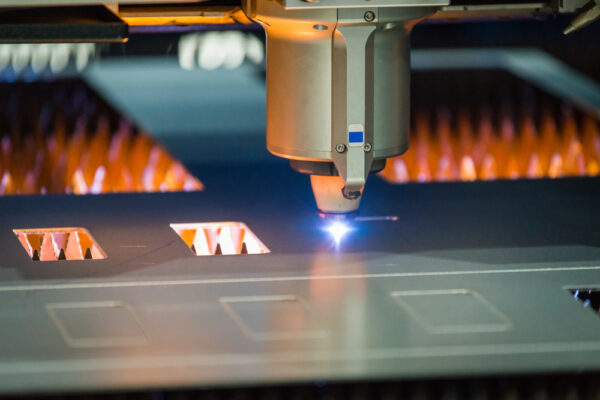
From Prototype to Production: Scaling Your Business with Laser Cutting Automation

From prototype to production, scaling your business with laser cutting automation is a game-changing strategy for modern manufacturing. As Aussie businesses face the challenge of ramping up operations without sacrificing quality, this technology offers a ripper solution. The journey from small-batch creation to full-scale manufacturing demands efficiency, precision, and adaptability – areas where laser cutting technology truly shines. By embracing automated cutting processes, companies can maintain exceptional standards while boosting throughput and slashing costs.

Key Advantages of Laser Cutting Automation

Laser cutting automation delivers competitive advantages that empower Australian businesses to scale effectively from prototype to high-volume production.

Enhanced Precision and Quality

The exceptional accuracy of automated laser systems ensures flawless execution of intricate designs while maintaining uniformity across production runs. Laser cutting technology minimises material waste by achieving exact specifications consistently, crucial when scaling beyond prototype stages. This precision becomes increasingly valuable as production volumes grow, ensuring the thousandth part matches the quality of the first prototype.

Increased Productivity

Manufacturing scalability reaches new heights as automated cutting processes streamline material handling and enable efficient part sorting. These systems operate continuously with minimal supervision, allowing businesses to fulfil larger orders and meet tight deadlines impossible with traditional methods. Many Australian manufacturers report productivity increases of 200-300% after implementing comprehensive laser automation solutions.

Cost Efficiency

Laser automation reduces reliance on manual labour, eliminates costly errors, and optimises material usage through sophisticated nesting software. These efficiencies lower per-unit costs as production scales up, creating a competitive edge in price-sensitive markets. The reduction in scrap material alone often justifies the investment, with most businesses experiencing 20-40% less waste compared to conventional cutting methods.

Versatility in Material Processing

Precision cutting technology offers remarkable versatility—metals, plastics, composites, and fabrics can all be processed with the same equipment. This flexibility enables businesses to expand into diverse markets without investing in additional machinery. The ability to quickly switch between materials with minimal setup time provides a significant advantage in today’s fast-paced manufacturing environment where customisation and small batch production are increasingly common.

Strategic Implementation for Scaling

Successful prototype to production transition requires thoughtful planning and strategic implementation of laser cutting automation.

Investing in Advanced Equipment

Selecting the right fibre laser technology forms the foundation of any successful scaling strategy. High-power fibre lasers or dual-head systems can increase throughput while maintaining precision. When evaluating equipment, consider both current needs and projected growth to ensure the system can accommodate expanding demand. The difference between entry-level and industrial-grade systems becomes apparent when operating at scale, making careful selection crucial for long-term success.

Integrating Automation Technologies

The true power of manufacturing efficiency emerges when combining multiple automation elements into a cohesive system. Robotic material handling systems create seamless workflows by reducing manual intervention. Many Australian manufacturers are now integrating AI-powered software that adjusts cutting parameters in real-time, ensuring consistent quality regardless of material variations. This level of smart factory integration represents the cutting edge of modern manufacturing, with the ability to collect and analyse production data providing opportunities for continuous improvement.

Optimising Material Usage

Advanced nesting software has revolutionised material optimisation practices. These programs arrange parts efficiently on raw materials, reducing waste and lowering costs. Many Australian businesses report material savings of 15-30% after implementing advanced nesting solutions alongside their laser cutting technology. The environmental benefits of this optimisation align with growing corporate sustainability goals, offering both economic and ecological advantages.

Training Skilled Operators

Even the most advanced industrial automation systems require knowledgeable operators to realise their full potential. Comprehensive training ensures staff can leverage sophisticated features, manage diverse materials, and make real-time adjustments to maintain production quality. Creating documented procedures and quality control protocols helps maintain consistent output even with staff rotation or expansion.

Addressing Implementation Challenges

Scaling with laser cutting automation presents several hurdles that require strategic planning to overcome.

Initial Investment Considerations

The significant upfront cost of high-quality laser cutting technology often gives business owners pause. However, cost-benefit analysis typically reveals that long-term savings in labour and materials outweigh these initial expenses. Many manufacturers find that improvements deliver return on investment within 18-24 months, particularly when considering the increased capacity to take on larger contracts previously beyond reach.

Bridging Skill Gaps

Operating advanced automated cutting processes requires specialised knowledge. Establishing structured training programs can effectively bridge this gap while ensuring smooth operations. Forward-thinking companies are developing partnerships with technical colleges to create talent pipelines, ensuring a steady supply of skilled operators familiar with the latest manufacturing technology.

Planning for Capacity Growth

As demand increases, existing equipment may struggle to maintain production throughput. Successful scaling strategies incorporate modular systems that can expand alongside production needs, preventing costly bottlenecks while allowing for strategic investment in additional capacity. Cloud-based production management systems can help optimise workflow distribution across multiple machines, maximising utilisation and efficiency.

The Future of Manufacturing Scale

Laser cutting automation represents a genuine game-changer for Aussie businesses navigating the journey from prototype to full-scale production. By harnessing the exceptional precision, efficiency, and versatility of this technology, companies can scale operations while maintaining high quality standards. The strategic implementation of fibre laser technology coupled with advanced nesting software creates a powerful foundation for business growth. As smart factory integration continues to evolve, the competitive advantages will only increase. Forward-thinking manufacturers should consider how automated cutting processes can transform their capabilities, positioning them for success in increasingly competitive global markets.

Need Help Scaling Your Laser Cutting Operation?

If you need more information on our machinery repair services and products or advice on how we can help to meet your needs, simply fill out the contact form or call us on 03 9794 6674. With 42 years of experience in the sheet metal industry, we offer comprehensive support for machinery sales, repair, and maintenance.


Press Brake Programming: Mastering Complex Bend Sequences on Durma Press Brakes

Press brake programming is the cornerstone of successful sheet metal fabrication, especially when tackling complex bend sequences on Durma press brakes. Australian fabricators know that mastering these sequences isn’t just about avoiding costly errors on your sheet metal machine—it’s about transforming challenging projects into profitable opportunities. Whether you’re operating the latest AD-S Series with its advanced Delem controls or working with the reliable E Series machines, the right programming techniques make all the difference. ACRA Machinery has supported countless workshops across Australia in optimising their bending operations, and this guide distils that expertise into practical strategies for your shop floor.

Understanding Durma Controller Technology

The heart of effective press brake programming lies in understanding your machine’s control system. Durma press brakes offer various controller options, each with unique capabilities for handling complex bend sequences.

Durma Controller Varieties

Durma’s flagship AD-S Series comes equipped with the sophisticated Delem DA-66T controller, offering unparalleled precision for challenging bends. This premium option provides intuitive touchscreen interfaces and advanced sequence optimisation tools. The mid-range AD-R Series features Delem DA-58T or DA-69T controllers, balancing performance with accessibility for operators at all skill levels. For workshops with straightforward needs, the E Series offers reliable Cybelec controls that still handle most bending operations efficiently. The key differences between these systems impact how programmers approach multi-step bending strategies.

Simulation Capabilities

Modern Durma controllers excel in their 3D visualisation capabilities, allowing operators to identify potential collisions before executing a single bend. This virtual testing environment integrates seamlessly with the broader Durma CAD/CAM ecosystem, enabling full digital prototyping of even the most intricate parts.

Programming Methodology for Complex Parts

Successful press brake programming requires a methodical approach when tackling complex bend sequences. The right methodology prevents costly errors and maximises efficiency on your Durma press brake.

Sequence Planning Principles

Planning your bend sequence is critical before programming begins on any Durma controller. The most effective approach often follows inside-out programming for enclosed shapes, allowing internal features to be formed before external ones restrict accessibility. On Durma press brakes, collision avoidance must be considered at every step, particularly when working with tall flanges or complex geometries. Part rotation planning deserves special attention—strategically flipping the workpiece during the sequence can solve seemingly impossible bending challenges. Australian fabricators often develop standard procedures for common part families, reducing programming time across similar components.

Material Considerations

Sheet metal bending success depends heavily on understanding your material’s behaviour. Springback compensation requires careful attention on your Durma press brake, especially with high-strength materials. The controller allows fine-tuning of angles to account for this physical property. Material thickness variations, even within spec, can significantly impact final results, requiring programmers to build in tolerances. Grain direction affects bending performance, particularly with aluminium and stainless alloys common in Australian workshops. Temperature fluctuations throughout the production day can subtly alter bending characteristics, requiring occasional program adjustments.

Tooling Selection Strategy

The right tools dramatically simplify complex bend sequences. Durma’s Quick Tool Change system enables rapid transitions between bending configurations without sacrificing precision. For challenging geometries with tight internal radii, specialised tooling selections make the impossible possible. Radius tooling applications require specific programming techniques to ensure accurate results, including proper speed control during forming. The integrated Durma crowning system compensates for deflection under load, ensuring consistent angles across wide workpieces.

Advanced Programming Techniques

Mastering complex bend sequences on Durma press brakes requires going beyond basic programming. Advanced techniques enable fabricators to tackle challenging parts that competitors might decline.

Multi-Step Bending Strategies

Breaking down intricate components into manageable steps forms the foundation of advanced press brake programming. When facing geometries with multiple intersecting flanges, Durma controllers allow operators to program intermediate positioning states that temporarily hold material in transitional positions. This approach prevents tool collisions while ensuring precise final dimensions. Durma’s multi-axis backgauges enhance this capability by providing reference points beyond standard X and Y coordinates. Programming for these auxiliary axes requires understanding the full movement envelope of your specific Durma press brake model. Australian fabricators often develop custom gauging fixtures to complement these advanced programming strategies, particularly for repeat production runs of complex parts with unusual geometries.

Optimisation Methods

Efficiency in bending operations comes from continual refinement of your programming approach. On older Durma controllers, memory management becomes crucial when programming extensive bend sequences. Structuring programs to reuse subroutines can dramatically reduce file sizes while improving readability. Speed optimisation for servo-driven axes involves carefully balancing velocity with precision requirements—faster isn’t always better when working with tight tolerances. The ability to transfer programs between different Durma machines enhances workshop flexibility, though care must be taken to account for controller-specific parameters. When working with newer Delem interfaces, utilising the graphical bend sequence visualisation tools helps identify opportunities to reduce cycle times through reordering operations without compromising quality.

Conclusion and Industry 4.0 Integration

The journey to mastering complex bend sequences continues as technology evolves. Durma press brakes are increasingly embracing digital transformation to enhance programming capabilities.

Future Programming Trends

Press brake programming is advancing rapidly with cloud-based solutions becoming increasingly accessible for Australian fabricators. These systems enable storing and retrieving bend sequence libraries from anywhere, facilitating collaboration across multiple workshop locations. Remote diagnostics capabilities now allow ACRA technicians to troubleshoot programming issues without travelling to your site, reducing downtime significantly. Integration with ERP systems streamlines workflow from design to production, with Durma controllers communicating seamlessly with business management software.

ACRA Support and Training

Australian workshops benefit from comprehensive support for their Durma press brake operations. ACRA Machinery offers specialised programming assistance for particularly challenging components, drawing on decades of sheet metal fabrication expertise. Structured training programs help operators transition from basic to advanced programming skills, with courses tailored to specific Durma controller models. Technical support resources include 24/7 hotline access and extensive documentation covering common challenges in complex bend sequences.


Need More Advice on Durma Press Brakes?

If you need more information on our services and products or advice on how we can help to meet your needs, simply fill out the contact form or call us on 03 9794 6674. With 42 years of experience in the sheet metal industry, we offer comprehensive support for machinery sales, repair, and maintenance.


Frequently Asked Questions

Q1: What controller options are available on current Durma press brakes?

A: Current Durma press brakes offer several controller options across their range. The high-end AD-S Series features Delem DA-66T controllers with advanced touchscreen interfaces and 3D simulation. Mid-range AD-R Series machines come with either Delem DA-58T or DA-69T controllers, while the E Series typically offers Cybelec control systems. Each controller has different capabilities for handling complex bend sequences, with varying levels of graphical interface sophistication.

Q2: How does Durma’s 3D simulation help with complex bend sequences?

A: Durma’s 3D simulation technology allows operators to virtually test bend sequences before cutting any material. This capability identifies potential collisions between the workpiece, tooling, and machine components during the bending process. For complex parts with multiple flanges, the simulation shows exactly how the material will behave during each bend, enabling programmers to optimise sequences, detect interferences, and resolve issues in the digital environment rather than discovering problems during production.

Q3: What training resources does ACRA provide for Durma press brake programmers?

A: ACRA Machinery offers comprehensive training resources for Durma press brake operators at all skill levels. These include hands-on workshops at customer facilities, detailed controller-specific training manuals, video tutorials covering advanced programming techniques, and one-on-one coaching for complex applications. ACRA also provides access to an online knowledge base with programming examples and troubleshooting guides specifically for Australian fabrication shops.

Q4: How can I optimise bend sequences for parts with multiple flanges on my Durma press brake?

A: Optimising complex parts with multiple flanges requires strategic planning. First, analyze the part to determine which bends might cause interference if performed in the wrong order. Generally, start with the most internal bends and work outward. Utilise Durma’s 3D simulation to test your sequence before production. Consider using stage bending for challenging geometries—making partial bends that are completed in later steps. Take advantage of Durma’s multi-axis backgauges for precise positioning between bends, and explore specialised tooling options for particularly difficult flanges.

Q5: What are the key differences between programming on older vs. newer Durma controller systems?

A: Newer Durma controller systems offer significant advantages over older generations, including touchscreen interfaces, 3D visualisation, automatic collision detection, and cloud connectivity. Older systems typically rely more heavily on operator experience and may require manual calculation of bend allowances. While newer systems automate many aspects of complex bend sequence planning, older controllers can still produce excellent results but require more manual intervention and expertise. When upgrading, programs can often be transferred between systems, though some parameter adjustments may be necessary to account for differences in controller functionality.

The Hidden ROI: Air Quality Systems for Sheet Metal Fabrication Operations

Modern sheet metal fabrication machinery has evolved into a sophisticated industry where air quality management isn’t just about compliance – it’s a crucial investment in your operation’s future. From managing metal dust to controlling welding fumes, today’s facility managers face increasingly complex challenges in maintaining clean air and protecting worker health. Let’s explore how smart air quality solutions can transform your workshop while ensuring regulatory compliance and operational excellence.

Understanding Contaminants in Sheet Metal Fabrication

Every day, sheet metal workshops generate a diverse range of airborne hazards that demand careful management. These invisible challenges can impact both worker health and production quality, making it essential to understand what we’re dealing with.

Types of Airborne Hazards

Sheet metal fabrication creates multiple forms of air contamination, each requiring specific control measures. The most significant concerns come from everyday operations that we might take for granted. Here are the primary contaminants you’ll encounter:

  • Welding fumes containing hexavalent chromium, manganese, and zinc oxide
  • Metal dust from grinding and cutting operations
  • Particulate matter from thermal processes
  • VOCs from painting and coating applications

These contaminants require different approaches to control, making a comprehensive air quality strategy essential for any modern facility.

Health and Safety Implications

The impact of poor air quality extends far beyond visible dust or uncomfortable working conditions. Long-term exposure to metallic particulates and fumes can lead to serious health issues that affect both your workers and your bottom line. Compliance with Safe Work Australia’s Workplace Exposure Standards isn’t just about ticking boxes – it’s about protecting your team from conditions like metal fume fever and chronic respiratory problems.

Air Quality Management Solutions

Creating a healthy workshop environment requires a sophisticated approach that combines targeted capture systems with broader facility management strategies. Modern solutions offer varying levels of protection and efficiency, allowing you to tailor your approach to your specific needs.

Source Capture Systems

The first line of defence in any air quality strategy is capturing contaminants at their source. A well-designed local exhaust ventilation system can dramatically reduce exposure to harmful substances. These systems should include:

  • Fume extraction arms with flexible positioning for welding stations
  • Downdraft tables for cutting and grinding operations
  • Custom enclosures for robotic welding cells
  • Mobile dust collection units for changing work locations

Success with these systems comes down to strategic positioning and consistent maintenance, ensuring they continue to perform at their best.

Facility-Wide Solutions

While source capture is crucial, maintaining excellent air quality throughout your facility requires a broader approach. Modern ventilation systems work alongside source capture to create a comprehensive solution that includes:

  • High-efficiency filtration units with HEPA secondary filters
  • Integrated building management systems
  • Energy-efficient air circulation design
  • Automated monitoring and control systems

When designing your facility-wide solution, consider Australia’s unique climate challenges. Your system should maintain consistent air quality while managing energy usage effectively across our diverse seasonal conditions.

Implementation Best Practices for Air Quality Management

Success in air quality management comes from careful planning and consistent execution. Understanding key implementation strategies ensures your investment delivers long-term value.

System Design Considerations

Creating an effective air quality system starts with thoughtful design that considers your specific operational needs. Key factors to consider include:

  • Calculated airflow requirements based on process volumes
  • Strategic placement of extraction points and collection units
  • Integration with existing HVAC infrastructure
  • Energy-efficient motor and fan selections

These elements form the foundation of a system that will serve your facility effectively for years to come.

Maintenance Protocols

Even the best-designed system requires regular attention to maintain peak performance. A proactive maintenance approach helps prevent issues before they affect your operations. Essential maintenance tasks include:

  • Regular inspection of filter elements and seals
  • Monitoring of differential pressure across filters
  • Scheduled cleaning of ductwork and extraction arms
  • Documentation of system performance metrics

By following these maintenance protocols, you’ll ensure your system continues to protect your workers while operating at maximum efficiency.

Compliance & Future Trends in Air Quality Management

Staying ahead of regulatory requirements while embracing new technologies is crucial for modern sheet metal fabrication facilities. Current frameworks that guide air quality management include:

  • Work Health and Safety Regulations 2022 requirements
  • Environmental Protection Authority guidelines
  • Industry-specific Australian Standards for ventilation systems
  • Workplace Exposure Standards (WES) monitoring

The future of workshop air quality is increasingly intelligent, with IoT sensors and AI-driven controls optimising system performance automatically. These smart systems are transforming how we approach air quality management, creating safer, more efficient workspaces while reducing operational costs.

Need More Advice on How to Improve Your Metal Workshop’s Air Quality?

If you need more information on our services and products or advice on how we can help to meet your needs, simply fill out the contact form or call us on 03 9794 6674. With 42 years of experience in the sheet metal industry, we offer comprehensive support for machinery sales, repair, and maintenance.

Frequently Asked Questions

Q1: What are the immediate signs that my workshop needs improved air quality management?

A: Look for visible dust in the air, residue on surfaces, or complaints about odours from welding or finishing processes. If your workers are experiencing symptoms like frequent coughing, throat irritation, or headaches during shifts, these could indicate air quality issues. Also watch for reduced visibility in your workspace or a metallic taste in the mouth after welding operations.

Q2: How often should I replace filters in my air quality system?

A: Filter replacement frequency depends on your operation’s volume and type of work. Generally, pre-filters need checking monthly and replacement every 3-6 months. HEPA filters typically last 12-24 months under normal conditions. However, monitor pressure differential readings across filters – if they show increased resistance, replace filters regardless of time in service.

Q3: Can I retrofit my existing workshop with new air quality systems?

A: Yes, most workshops can be successfully retrofitted with modern air quality systems. Start with a professional assessment of your current setup and workflow patterns. Mobile extraction units and modular filtration systems offer flexible solutions for existing facilities. The key is developing a staged implementation plan that minimises disruption to your operations.

Q4: What’s the typical return on investment for air quality systems?

A: While initial costs vary, most facilities see ROI within 2-3 years through reduced cleaning costs, improved equipment longevity, lower maintenance requirements, and decreased worker sick leave. Energy-efficient systems can also significantly reduce power consumption compared to older ventilation methods. Additionally, proper air quality management can lower insurance premiums and workplace compensation claims.

Q5: How do I know if my air quality system complies with current regulations?

A: Regular testing and monitoring are essential for compliance. Engage a certified occupational hygienist to conduct workplace air quality assessments at least annually. Keep detailed records of all testing, maintenance, and filter changes. Stay updated with Safe Work Australia guidelines and your state’s WHS regulations through industry associations and regular compliance audits.

Q6: What’s the difference between source capture and ambient air filtration?

A: Source capture systems target contaminants at their point of origin – like a welding station or grinding area. They’re highly efficient at removing specific pollutants before they spread. Ambient air filtration systems clean the general air throughout your facility. For optimal results, you need both: source capture for immediate hazard control and ambient filtration for overall air quality maintenance.

How to Optimise Press Brake Tooling Setup Time: Expert Tips and Techniques

In today’s competitive manufacturing world, the time spent setting up your press brake tooling can be the difference between making and breaking your productivity targets. Let’s dive into proven strategies that will help you streamline your setup process and boost your workshop’s efficiency.

press brake tooling setup

Setting Up for Success: The Fundamentals

Smart Organisation Makes All the Difference

Think of your press brake setup like a well-oiled machine – everything needs its place. Installing tool cabinets within arm’s reach of your press brake is a game-changer. When you add shadow boards with laser-etched labels, operators can grab exactly what they need without second-guessing. 

Here’s a smart tip: colour-code your tools based on their tonnage ratings and die opening widths. When your team can quickly spot the right tools for specific bend angles and material thickness, setup times naturally shrink. 

Documentation: Your Secret Weapon

While paperwork might not be exciting, detailed setup sheets are invaluable. They should capture every critical detail – from tool positioning to V-die openings and bend sequences. Taking photos of successful setups, especially for complex parts, can save hours of troubleshooting down the track. 

Digital tracking systems have revolutionised tool inventory management. They help you keep tabs on everything from surface-hardened dies to precision-ground tools, making maintenance scheduling a breeze. 

Advanced Techniques for Lightning-Fast Setups

Making the Most of Modern Tooling

Sectionalised tooling is a real breakthrough in setup optimisation. It lets your operators configure exact tool lengths while maintaining common shut heights across different setups. Quick-change systems have transformed tool changeovers, slashing the time spent on securing and aligning tools. 

Using precision-ground tools with standardised heights eliminates those frustrating between-setup adjustments. Add adjustable tooling options, and your team can handle different material thicknesses without complete tool changes. 

Embracing Technology

Modern CNC programming has transformed press brake operations. Advanced tool libraries track everything from tool radius measurements to tonnage ratings. Offline programming means your team can plan bend sequences and check force calculations before touching a single tool. 

Digital workflows guide operators through each setup step, ensuring nothing gets missed. When you combine this with proper tool inventory management, you’re looking at significantly reduced setup times and more consistent results. 

Creating an Ergonomic Workspace

Smart Layout Equals Faster Setups

A well-designed workspace is about more than just comfort – it’s about efficiency. Position your tool cabinets and storage systems where they make sense. Keep frequently used tooling components within easy reach, and store heavier items like punch holders and V-die openings at waist height. 

Here’s a pro tip: mobile tool cabinets with quick-change systems are worth their weight in gold. They let your operators bring tools exactly where they need them, cutting down on unnecessary movement. 

Movement Matters

Think about how your operators move during setup. Having setup sheets and digital displays at eye level helps maintain good posture. Keep those small but essential items like safety clips within arm’s reach – it’s amazing how much time you can save by eliminating extra steps. 

Don’t forget about the basics – good lighting and anti-fatigue matting make a huge difference during long setup sessions. When your team is comfortable, they work faster and more accurately. 

Keeping Your Tools in Top Shape 

Preventative Maintenance is Key

Regular maintenance might seem like a hassle, but it’s crucial for keeping your press brake tooling performing at its best. Set up systematic checks for your precision-ground tools and surface-hardened dies. Regular inspections of tonnage ratings and safety clips can catch wear and tear before it becomes a problem.

Quality Control That Makes a Difference

Keep a close eye on bend angles and tool radius accuracy. Regular calibration of common shut height tools and V-die openings ensures your bends stay spot-on. Digital tracking systems make it easy to monitor wear patterns and schedule replacements before they affect your production quality. 

Making It All Work: Implementation

Taking It Step by Step

Start by taking a good look at your current tooling organisation and workflow. Then, introduce changes gradually – begin with basics like storage systems and tool identification before moving to advanced solutions like quick-change systems.

Training for Success

Your team needs to understand not just what to do, but why they’re doing it. Make sure everyone knows how to handle precision-ground tools and surface-hardened dies properly. Cover everything from tool positioning to bend sequences and material handling.

Measuring Your Progress

Keep track of your improvements with clear metrics. Monitor how long tool changeovers take and how often setup-related delays occur. Regular reviews help you spot what’s working and what needs tweaking. 

Remember, optimising your press brake tooling setup is an ongoing process. Small improvements add up to significant time savings. With good planning, solid training, and consistent monitoring, you’ll see substantial improvements in your operational efficiency. 

Want to get started? Begin with one area – maybe your tool storage or documentation system – and build from there. Every minute saved in setup is a minute gained in production.

Need More Advice on Press Brake Tooling? 

If you need more information on our services and products or advice on how we can help to meet your needs, simply fill out the contact form or call us on 03 9794 6674. With 42 years of experience in the sheet metal industry, we offer comprehensive support for machinery sales, repair, and maintenance. 

The Evolution and Future of Press Brake Machines

The press brake machines are quite different from the early designs that were in use. Introduced in the 1920s and 1930s, they were used to shape metal sheets into a wide variety of forms and designs. These early machines were simple types, requiring considerable manual labour to operate. Operated by a person who had to push with force to bend the metal using their own strength.

Therefore, operating these old machines was exhausting and often extremely challenging. Being manual, the machines were also slow and imprecise. This meant that metal parts were often not produced very well. Over time, however, these machines improved significantly in both design and modern technology. For example, companies like ACRA began manufacturing modern machines, which completely transformed the metal shaping manufacturing process and significantly improved the way we do it.

The Impact of CNC Technology on Press Brakes

The term CNC is an abbreviation for “computer numerical control” and this innovation has advanced and changed these machines in various ways.
An individual operating the machine does not essentially need to control everything manually nowadays as in the past. Instead, they can essentially tell the machine what to do through a computer programme.

The computer programme converts the plans made by the operator into a specific machine dialect. This allows the operator to focus more on the design and less on the physical work involved in the machine’s operation.

CNC innovation enables press brakes to operate more efficiently, allowing for higher levels of speed as well as levels of precision. Furthermore, it enables manufacturers to form parts of duplicate quality, indistinguishable from items, which is invaluable for enterprises needing to produce things in bulk.

Analysing How Controls Have Evolved

More experienced devices would have required the operator to physically move levers, pedals, and other devices to induce the machine to operate. This kind of extraction required an extremely skilled operator to ensure everything was done precisely. But CNC machines are a more current improvement that employs a computer or a touchscreen to control the machine.
This is generally a colossal step forward, as it enables operators to more easily input the exact sizes and angles needed for each metal component. Once they input these measurements, the machine progresses to being programmed to execute these commands with precision and, to ensure this, everything can be outlined.
It incorporates a touchscreen that is exceptionally user-friendly within the adjustment plan to create quick changes and simple programming. This means that modern operators of the machines can update themselves faster and more effectively.

The Importance of CNC Technology

There are several advantages to utilising CNC machines, which is why they play a key role in the creation of metal sheets. The greatest advantage is that they deliver precise and repeatable results.

This helps save time and costs for companies, as there are fewer errors that need to be resolved in a later arrangement. The CNC programme also reduces errors derived from humans and enables the operator to work with more intricate designs.

CNC innovation allows manufacturers to take more risks with their designs, as they can attempt much more complicated plans than what could be delivered using a fundamental device.

Furthermore, generation times are reduced with the assistance of robotic time machines, which cruel companies can utilise simultaneously to deliver more items. This optimisation is particularly imperative in areas where deadlines and low costs are fundamental.

The Future of Press Brakes

Press brake machines will continue to become superior as innovation continues to improve. Since then, over time, more and more machines have begun incorporating a sum of automation and/or artificial intelligence (AI).
This can be a major leap forward, as it allows these machines to make intelligent choices based on sensor data. For example, when a machine detects that something is wrong, it can adjust to correct it.

The innovation speeds up and mechanises the manufacturing process, which can be a win for everyone. At the end of the line, these developments not only help make advances in items but also save time, yet another reason for manufacturers to work in a superior and more productive way.

Need Advice Before Purchasing Your Press Brake Machine?

If you need more information on our services and products or advice on how we can help to meet your needs, simply fill out the contact form or call us on 03 9794 6674. With 42 years of experience in the sheet metal industry, we offer comprehensive support for machinery sales, repair, and maintenance.

The Versatile Applications of Fibre Laser Cutters Across Industries

Fibre laser cutting technology is revolutionising manufacturing across various industries, offering unmatched precision and versatility. From automotive to aerospace, these advanced machines are not just tools; they are integral components that enhance efficiency and innovation. As industries strive for greater accuracy and reduced waste, this cutting-edge technology is proving to be a game changer. In this blog, we’ll explore the innovative applications of fibre laser cutters, showcasing how they transform production processes, improve product quality, and drive creativity in design.

Automotive Industry

In the automotive sector, fibre laser cutters play a crucial role in enhancing production efficiency. They are used for cutting, engraving, and welding various components, allowing manufacturers to produce high-quality parts with remarkable speed and precision. This technology enables the creation of intricate designs and shapes that were previously challenging to achieve. As a result, automotive companies can streamline their processes, reduce waste, and ultimately improve their bottom line.

With the increasing complexity of modern vehicles, including electric and hybrid models, the ability to quickly adapt and modify components has become essential, making fibre laser technology invaluable. It allows for the rapid prototyping of new parts, facilitating faster design iterations and innovations.

Aerospace Sector

The aerospace industry demands components that are not only lightweight but also high strength, meeting stringent safety and performance standards. Fibre laser cutting is integral to this process, allowing for the fabrication of complex parts from materials like aluminium and titanium. This cutting-edge technology ensures that every component meets the rigorous quality requirements essential for flight safety, while also contributing to the overall efficiency of manufacturing processes.

Electronics Manufacturing

In electronics manufacturing, precision is paramount. Fibre laser cutters are employed to produce intricate components for consumer electronics, including circuit boards and housings. The ability to achieve fine details without damaging surrounding areas makes this technology invaluable. Additionally, the speed of fibre laser cutting allows manufacturers to meet high demand while maintaining quality standards.

Medical Device Production

Fibre laser technology has also revolutionised the production of medical devices. In this highly regulated industry, precision and sterility are non-negotiable. Laser cutting machines enable the manufacturing of complex parts, ensuring that devices are made to exact specifications. Moreover, the cleanliness of the laser cutting process helps maintain the sterility required for medical applications, making it an ideal choice for manufacturers in this sector.

Construction and Architecture

In the construction and architecture fields, laser cutters are transforming traditional methods of metal fabrication. They allow for custom designs that cater to the unique aesthetic and functional requirements of each project. Architects and builders can now create intricate patterns and shapes in metal, resulting in innovative designs that enhance both the functionality and beauty of structures.

Signage and Artwork

The artistic potential of laser cutters extends into signage and decorative art. Artists and businesses alike are leveraging this technology to create unique signs and artwork that stand out. The precision of laser cutting allows for detailed designs, enabling creators to push the boundaries of their craft. This versatility makes fibre laser cutting an attractive option for both commercial and artistic applications.

Textile Industry

In the textile industry, fibre laser technology is making waves in cutting and engraving fabrics for fashion and upholstery. This method allows for clean, precise cuts that reduce fraying and enhance the overall quality of finished products. Designers appreciate the ability to create intricate patterns and custom shapes, while manufacturers benefit from faster production times and less waste.

Robotics and Automation

The integration of fibre laser technology with robotics is streamlining production lines across various industries. Automated systems equipped with fibre laser cutting technology enhance efficiency, allowing for consistent quality and faster turnaround times. This synergy not only reduces labour costs but also enables manufacturers to meet increasing demands in a competitive market. As industries continue to embrace automation, the role of fibre laser technology will only become more significant in ensuring productivity and precision.

Need Advice Before Investing in a Fibre Laser Cutter?

If you’re considering a fibre laser cutter or need support for your existing machinery, ACRA Machinery is ready to assist. With over 42 years of experience in the sheet metal industry, we provide expert guidance on machinery sales, repairs, and maintenance.

Contact us at 03 9794 6675 or complete our online contact form, and we will get back to you.

The Game-Changing Role Of Laser Cutters In Modern Manufacturing

Business models that use laser cutters and engraving are on the rise. Nowadays, entrepreneurs and business owners are increasingly seeking solutions to boost their production capacity, enter new growth markets, or find investment opportunities that offer better profitability for the future.

Business models that technology fit perfectly into this context, and today we will bring you some data to introduce you to this promising market.

laser cutter

The laser cutter and engraving market

The technology not only enhances precision but also provides flexibility for large-scale customisation. From industrial products to personalised items, this technology serves various industries, offering an efficient and reliable solution for companies seeking innovation and high quality in their production processes.

According to Fortune Business Insights, laser engraving machines allow companies and industries to have their logos personalised and engraved on their products, which provides a high level of security, identification, and even intellectual property protection. Furthermore, laser engraving, and cutter techniques enable stock tracking and control, part identification, and loss prevention.

The global growth of the laser engraving, and customisation market was already predicted to exceed $15 billion due to the growing demand for authentic end products and the market requirements for industrial production traceability.

Some factors driving this market include new product launches, greater innovation and technology, increased production speed, efficiency and safety, and increased interest in personalisation.

Key growth areas in laser cutting and engraving services

Some businesses that stand out in this segment are:

  • Personalised gift shops.
  • Hospital laser marking.
  • Industrial laser marking.
  • Customisation of objects for events and companies.
  • Engraving of metal plates, industrial parts, automotive components, and machinery.
  • Cutter and engraving accessories in leather, wood, and other materials.

Here, we will address four business models so that you can better evaluate each opportunity and analyse which might be a good option for you to invest in and grow.

3 Business models using laser cutters and engraving

Industrial laser marking

Many industrial parts and equipment need to be coded, whether for identification, specification, traceability, or safety; the demand is high.

Hospital laser marking

Laser marking is also very important in the medical and hospital sector, both for instrument engraving and the coding and identification of parts and implants. Laser engraving complies with identification standards in accordance with ISO.

Following the growth of the healthcare sector, laser marking also has a wide field of application, especially with innovations and technologies related to the sector.

Personalisation of objects and gifts

We have already mentioned the growing demand for customised, authentic, and representative objects and gifts. Given this, the segment for products made of various materials continues to grow. The efficiency of laser production, increased productivity, and faster delivery times contribute to the increased demand among business owners and entrepreneurs.

Labelling, product information (manufacturing date, batch or serial number), barcodes, QR codes, industrial tags, identification, text, and decorative personalisation are some of the many examples of laser engraving in the industrial sector.

And which sectors demand this service? Engineering, jewellery, décor, fashion, handicrafts, packaging, tools, household utensils, and more.

Furthermore, research from Technavio’s Research indicated that the laser coding and marking equipment segment is expected to reach $1.22 billion by 2026, with a CAGR (Compound Annual Growth Rate) of 6.39% during the forecast period. Therefore, finding the right demand for you can take you far in this market, ensuring profitable business opportunities.

Need Advice Before Purchasing Your Laser Cutting Machine?

If you need expert advice before purchasing your laser cutting equipment or require assistance with maintaining your current machinery, ACRA Machinery is here to help. With 42 years of experience in the sheet metal industry, we offer comprehensive support for machinery sales, repair, and maintenance.

Contact us at 03 9794 6675 or complete our online contact form, and we will get back to you.


Common Problems with Sheet Metal Machines and How to Prevent Them

Sheet metal machines play a critical role in many manufacturing processes, offering precision and reliability. However, even the most robust equipment can face issues that affect performance and efficiency. From mechanical glitches to electrical malfunctions, identifying and addressing these common problems is essential for maintaining smooth operations. In this blog, we will explore frequent challenges and provide actionable strategies to prevent them. By recognising potential issues early and implementing effective maintenance practices, you can keep your equipment in optimal condition, ultimately boosting productivity and minimising costly downtime.

sheet metal machine fibre laser cutter

Key Components & Common Mechanical Issues

Sheet metal machines are intricate systems composed of several critical components, each essential to their efficient operation. Key parts include the drive system, hydraulic units, control panels, and cutting tools. Understanding these components is crucial for diagnosing and addressing common mechanical issues. Frequent problems such as worn-out bearings, misaligned parts, and motor failures can significantly affect performance and precision. By familiarising yourself with the functions of these components and monitoring them for signs of wear, you can proactively manage and resolve issues, ensuring the smooth and reliable operation of your equipment. Regular inspections and timely maintenance are key to preventing costly repairs and extending the lifespan of your machinery.

The Impact of Poor Maintenance

Neglecting regular maintenance can severely impact the performance of metalworking machines, leading to a range of problems that compromise efficiency and precision. Without routine checks and servicing, minor issues can escalate into major faults, causing increased wear and tear on critical components. This deterioration can result in mechanical failures, reduced cutting accuracy, and inconsistent production quality. Additionally, poor maintenance often leads to unplanned downtime and costly repairs, which disrupt operations and affect overall productivity. By prioritising regular maintenance, you can prevent these issues, ensuring that your equipment operates at peak performance and remains reliable over the long term.

Troubleshooting Hydraulic Issues

Hydraulic systems are crucial for the operation of sheet metal machines, but they are prone to specific issues that can impact performance. Common hydraulic problems include leaks, pressure drops, and fluid contamination. Leaks can lead to insufficient hydraulic fluid levels, affecting machine operation, while pressure issues may cause inconsistent or inadequate performance. Fluid contamination can damage components and reduce system efficiency. Effective troubleshooting involves regularly inspecting hydraulic lines and connections, checking fluid levels and quality, and addressing any irregularities promptly. By identifying and resolving these issues early, you can maintain optimal performance and avoid costly repairs.

Addressing Calibration and Alignment Problems

Calibration and alignment are vital for the precise operation of metalworking machines. Issues in these areas can lead to inaccuracies in cutting or shaping, affecting the quality of the final product. To recognise calibration problems, look for signs such as inconsistent cuts, uneven material thickness, or misalignment with design specifications. Alignment issues may present as irregular wear patterns or difficulty in achieving the correct dimensions. Correcting these problems involves regularly checking and adjusting settings, ensuring that components are properly aligned, and recalibrating the machine as needed. Implementing a routine for calibration and alignment checks helps maintain accuracy and reliability, ultimately improving production efficiency and reducing waste.

Preventive Maintenance Strategies to Avoid Common Problems

Implementing effective preventive maintenance strategies is crucial for avoiding common issues with metalworking machines and ensuring their longevity. Start with a routine maintenance schedule that includes regular inspections of key components such as bearings, hydraulic systems, and electrical connections. Clean and lubricate moving parts to reduce friction and wear. Regularly check and calibrate settings to maintain accuracy and prevent misalignment. Monitor fluid levels and quality, replacing filters and fluids as needed to prevent contamination. Additionally, ensure operators are trained in proper usage and maintenance practices to avoid user-related problems.

Signs That Indicate Your Sheet Metal Machine Needs Immediate Attention

Recognising warning signs that any metalworking machine requires immediate attention is crucial for preventing further damage and costly repairs. Common indicators include unusual noises such as grinding or rattling, which may suggest internal mechanical issues. A decrease in performance, such as inconsistent cuts or reduced precision, can signal calibration or alignment problems. Leaks or puddles of hydraulic fluid indicate potential hydraulic system failures, while frequent error messages or malfunction alerts on the control panel may point to electrical issues. Additionally, excessive vibrations or overheating are signs that components may be failing. Promptly addressing these symptoms can help prevent more severe damage, ensuring the machine remains in optimal working condition and avoiding extended downtime.

Do You Need Sheet Metal Machinery?

If you need the best 21st-century machinery for your workshop, look no further than ACRA Machinery. Take advantage of all the technological advancements that up-to-date machinery has to offer and rely on our expertise to guide you in the right direction. Alongside sales, we also offer maintenance and repairs.

Contact us at 03 9794 6675 or complete our online contact form, and we will get back to you.