The Complete Press Brake Maintenance Checklist for Reliable Sheet Metal Machines

Sheet metal machines play a vital role in modern fabrication, and press brakes are among the most important tools for achieving precise, consistent bends. Whether used in high-volume manufacturing or specialised metalwork, press brakes must perform reliably to maintain productivity and product quality. However, like any industrial equipment, they are subject to wear, hydraulic stress, and mechanical strain over time.

Without proper maintenance, press brakes can lose accuracy, experience unexpected downtime, and require costly repairs that disrupt operations. A structured press brake maintenance checklist helps identify issues early, ensures safe operation, and protects the long-term performance of your equipment. From daily inspections and cleaning to scheduled servicing and calibration, consistent maintenance keeps machines operating at peak efficiency.
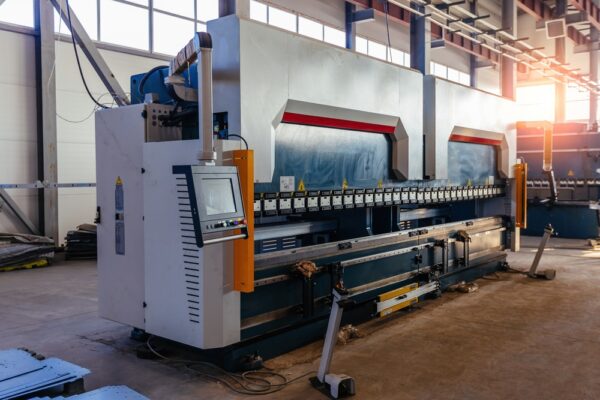
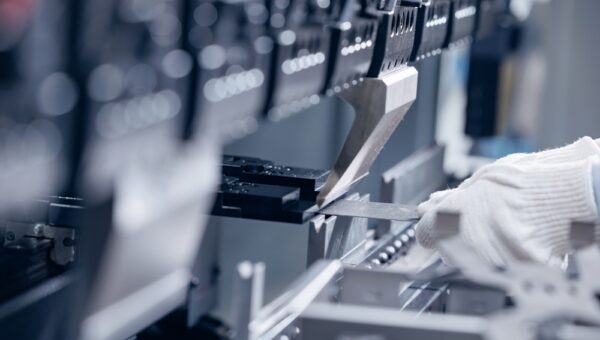
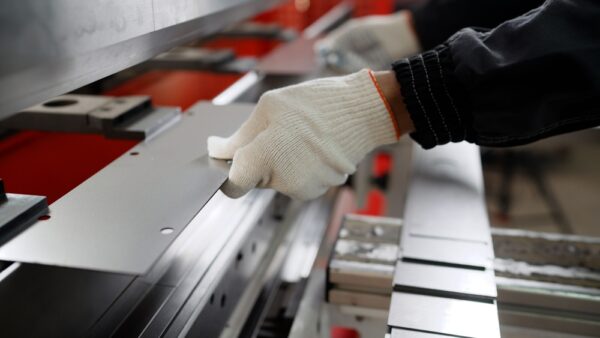
hydraulic press brake

Why Press Brake Maintenance Is Critical

Press brake maintenance is essential for ensuring sheet metal machines operate efficiently, safely, and accurately in demanding fabrication environments. Regular preventive maintenance protects key components, reduces operational risk, and ensures consistent performance across all bending applications.

Operational Reliability and Productivity

Reliable press brake operation is critical for maintaining fabrication productivity and avoiding costly interruptions. When industrial machinery maintenance is performed regularly, potential faults in the hydraulic press brake, CNC system, or mechanical assemblies can be identified early. Preventive maintenance reduces unexpected downtime, ensures smooth machine servicing, and allows sheet metal machines to operate consistently under production demands.

Accuracy and Product Quality

Press brake accuracy directly affects the quality and consistency of fabricated components. Poor calibration, worn tooling, or mechanical misalignment can result in incorrect bend angles, rejected parts, and wasted materials. Routine press brake maintenance procedures, including machine calibration and tooling inspection, help preserve precision. Maintaining alignment, hydraulic stability, and back gauge accuracy ensures metal fabrication equipment produces reliable, repeatable results.

Equipment Lifespan and Cost Control

Proper maintenance significantly extends the lifespan of sheet metal machines and reduces long-term operating costs. Hydraulic system maintenance, lubrication, and regular inspection prevent premature wear of critical components. By investing in preventive maintenance and professional machine servicing, businesses can avoid expensive repairs, improve equipment longevity, and maximise the return on their metal fabrication equipment investment.
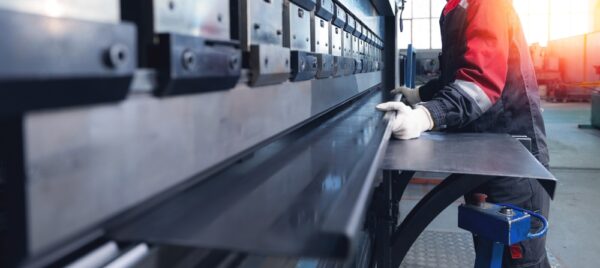
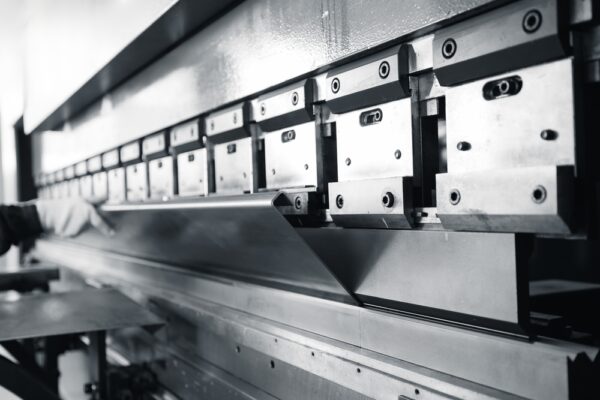
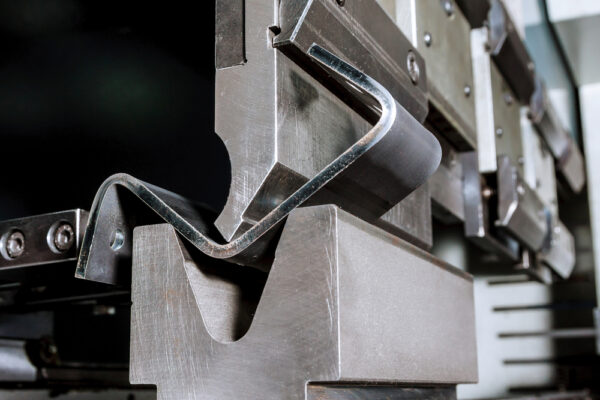
technician operating press brake

Daily Press Brake Maintenance Checklist

Daily maintenance is the foundation of reliable press brake operation and ensures sheet metal machines continue to perform safely and accurately. Consistent inspections help detect early signs of wear, prevent unexpected downtime, and support overall fabrication productivity.

Visual Inspection of Machine Components

A thorough visual inspection should be performed before operating the press brake to identify potential mechanical or hydraulic issues. Operators should check for hydraulic leaks, loose bolts, worn guideways, and any visible damage to structural components. Unusual noises, vibrations, or resistance during operation may indicate developing faults within the hydraulic press brake or mechanical system. Early detection through daily inspection helps prevent minor issues from escalating into major industrial machinery problems.

Cleaning and Workspace Maintenance

Maintaining a clean press brake and surrounding workspace is essential for protecting machine accuracy and extending equipment lifespan. Dust, metal shavings, and debris can accumulate on guide rails, sensors, and moving components, affecting alignment and CNC press brake performance. Regular cleaning ensures proper movement of critical parts and reduces contamination risks to the hydraulic system. Clean sheet metal machines also allow operators to identify potential faults more easily during routine inspections.

Tooling and Clamp Inspection

Press brake tooling, including punches and dies, should be inspected daily to maintain bending precision and prevent machine strain. Worn, chipped, or misaligned tooling can reduce product quality and place unnecessary stress on the press brake’s mechanical components. Ensuring clamps are secure and tooling is correctly aligned supports accurate bending and protects the long-term reliability of sheet metal machines.

Weekly and Monthly Press Brake Maintenance Tasks

Weekly and monthly maintenance tasks provide a deeper level of inspection that supports the long-term reliability, accuracy, and safety of sheet metal machines. These scheduled checks focus on critical systems such as hydraulics, mechanical assemblies, and electrical controls, helping ensure consistent performance in demanding metal fabrication environments.

Hydraulic System Maintenance

The hydraulic system is the driving force behind most press brake operations, making regular inspection essential for reliable performance. Hydraulic oil levels should be checked frequently to ensure sufficient pressure for accurate bending. Low or contaminated hydraulic fluid can reduce efficiency and damage internal components of a hydraulic press brake. Monitoring hoses, seals, and fittings for leaks or deterioration helps prevent pressure loss and maintains stable operation. Clean hydraulic fluid and properly functioning components are essential for preserving press brake accuracy and reducing the need for costly industrial machinery maintenance.

Mechanical System Inspection

Mechanical components must remain properly aligned to ensure precise and repeatable bending results. Weekly and monthly checks should include inspection of the ram, guideways, and structural elements for signs of wear or misalignment. Ensuring correct ram parallelism and verifying back gauge accuracy helps maintain consistent bending performance. Proper lubrication of moving parts reduces friction, prevents premature wear, and supports the smooth operation of sheet metal machines. Regular mechanical inspection also helps identify early warning signs that may require professional machine servicing.

Electrical System and Control Functions

Electrical systems and CNC press brake controls play a crucial role in maintaining automation accuracy and operational safety. Connections, wiring, and control panels should be inspected to ensure reliable communication between components. Sensors and safety circuits must function correctly to support safe and efficient fabrication processes. Regular testing of CNC systems ensures accurate positioning, consistent performance, and optimal productivity across all sheet metal machines.

Tooling Care and Management

Proper tooling care is essential for maintaining press brake accuracy, protecting equipment, and ensuring sheet metal machines deliver consistent fabrication results. Well-maintained tooling reduces strain on the hydraulic press brake and supports reliable, high-quality bending performance.

Tool Wear Monitoring and Replacement

Regular inspection of press brake tooling, including punches and dies, helps maintain bending precision and prevents unnecessary stress on metal fabrication equipment. Over time, tooling can develop wear, surface damage, or deformation that affects bending angles and finished product quality. Identifying worn tooling early allows operators to replace components before they compromise press brake maintenance outcomes. Consistent tooling inspection also protects the mechanical system and supports overall industrial machinery maintenance by preventing misalignment, vibration, and uneven force distribution during operation.

Proper Tool Storage and Handling

Correct storage and handling practices are critical for extending tooling lifespan and preserving the accuracy of sheet metal machines. Tooling should be stored in clean, organised environments where it is protected from moisture, dust, and accidental damage. Improper handling can result in dents, scratches, or misalignment that affect press brake performance. Maintaining organised tooling systems makes it easier to identify wear, perform machine servicing, and ensure CNC press brake operations remain accurate, efficient, and reliable over time.
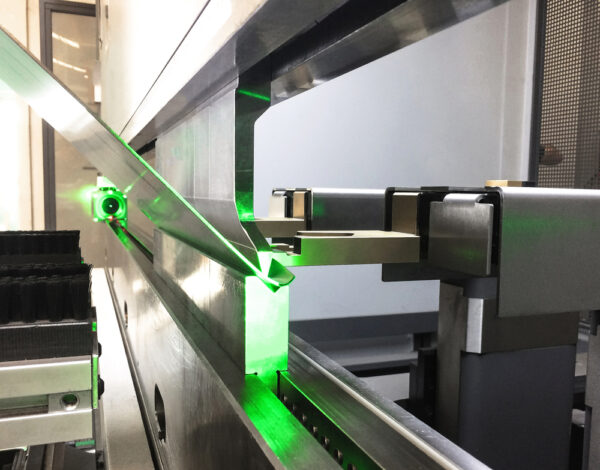
 

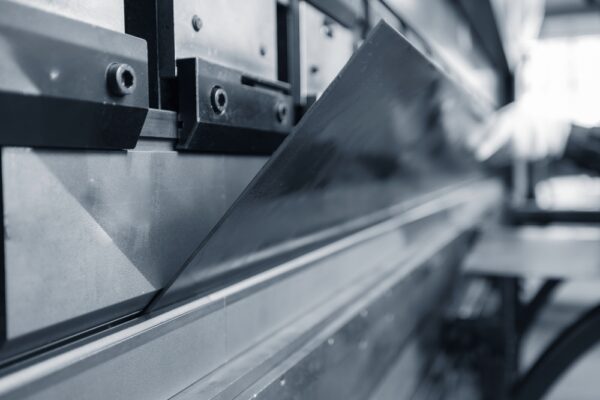
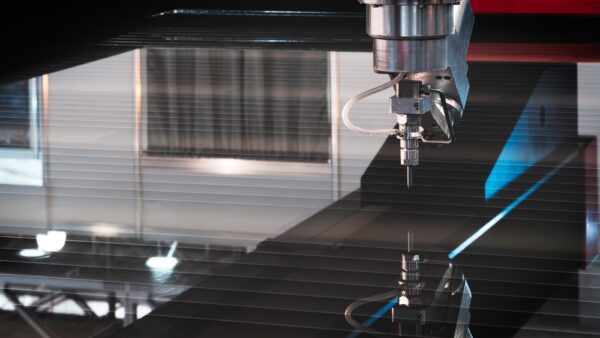
CNC press brake

Safety System Inspection and Compliance

Safety system inspection is a critical component of press brake maintenance, ensuring operators are protected while sheet metal machines operate efficiently. Properly functioning safety features reduce workplace risks and support compliance with Australian safety standards for industrial machinery.

Safety Components and Operator Protection

Press brakes rely on integrated safety components to protect operators during metal fabrication processes. Emergency stop buttons, protective guards, and light curtains must be inspected regularly to confirm they respond correctly during operation. Faulty safety devices can increase the risk of injury and compromise overall machine servicing reliability. Ensuring these systems function properly supports safe operation and protects both personnel and valuable metal fabrication equipment.

Workplace Safety and Regulatory Compliance

Maintaining safety compliance is essential for businesses using sheet metal machinery in Australia. Routine inspection and preventive maintenance help ensure press brakes meet workplace safety requirements and operational standards. Properly maintained safety systems also reduce liability risks, support consistent productivity, and ensure industrial machinery maintenance programs prioritise both performance and operator wellbeing.

Preventive Maintenance and Professional Servicing

Preventive maintenance and professional servicing play a vital role in preserving the performance, safety, and lifespan of sheet metal machines. A structured maintenance program helps identify potential faults early and ensures press brake systems operate efficiently under demanding fabrication conditions.

Scheduled Preventive Maintenance Programs

Scheduled preventive maintenance ensures that press brake components are inspected, cleaned, lubricated, and calibrated at regular intervals. This proactive approach reduces the likelihood of unexpected breakdowns and supports consistent hydraulic press brake performance. Preventive maintenance also protects critical systems, including guideways, back gauges, and hydraulic assemblies, ensuring sheet metal machines maintain bending accuracy and operational reliability.

Professional Calibration and Inspection

Professional machine servicing by qualified technicians ensures precise calibration and thorough inspection of CNC press brake systems. Technicians can assess hydraulic system performance, electrical controls, and mechanical alignment to maintain optimal operation. Expert servicing helps detect hidden issues, ensures accurate machine calibration, and extends the lifespan of valuable metal fabrication equipment.

Do You Need Sheet Metal Machinery Maintenance?

Following a structured press brake maintenance checklist is essential for preserving the performance, accuracy, and safety of sheet metal machines. Regular preventive maintenance, tooling inspection, hydraulic system maintenance, and professional machine servicing help prevent costly downtime and extend equipment lifespan.

Get in touch with ACRA Machinery by calling 03 9794 6675 or fill out our online contact form and we will get back to you

FAQ – Press Brake Maintenance Checklist

How often should press brakes be serviced?

Press brakes should undergo daily visual inspections, weekly and monthly maintenance checks, and regular professional servicing. The frequency may vary depending on machine usage, but regular maintenance ensures hydraulic press brake systems, tooling, and CNC controls operate reliably and accurately.

What happens if press brake maintenance is neglected?

Neglecting maintenance can lead to reduced bending accuracy, unexpected downtime, costly repairs, and safety risks. Worn tooling, misaligned mechanical components, or contaminated hydraulic fluid can compromise sheet metal machines and reduce the lifespan of industrial machinery.

What is included in a press brake maintenance checklist?

A comprehensive checklist covers hydraulic system checks, mechanical alignment inspections, electrical and CNC control testing, tooling and clamp inspections, cleaning, lubrication, and safety system verification. Following these steps protects both the operator and the machine.
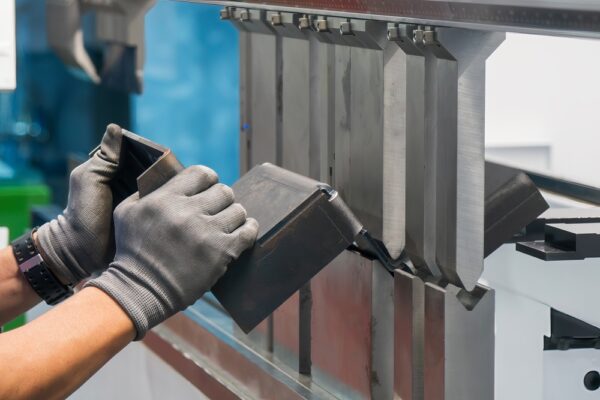
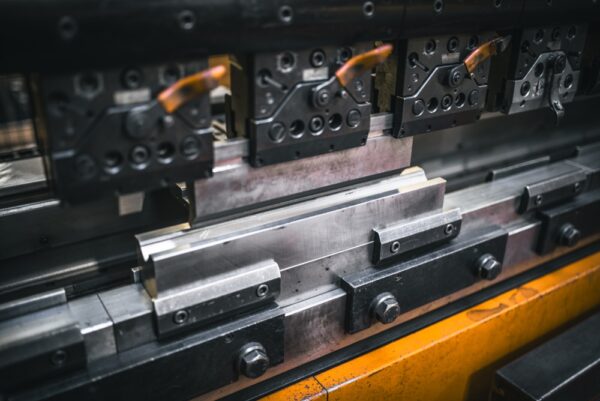
A Comprehensive Guide to Metal Fabrication Project Management in Melbourne

Metal fabrication project management is the cornerstone of any successful sheet metal operation, ensuring that complex fabrication tasks are completed efficiently, on time, and to exacting standards. In Melbourne’s competitive manufacturing sector, businesses that master project management can streamline processes, reduce material waste, and deliver superior results to clients. At the heart of this process lies the effective use of sheet metal machinery, from CNC presses to laser cutters, which requires careful planning, scheduling, and maintenance to avoid costly downtime. A well-managed project balances resources, monitors workflow, and anticipates risks before they impact production. For companies involved in custom fabrication or large-scale industrial projects, integrating maintenance schedules with project timelines not only safeguards machinery performance but also enhances overall productivity. This article explores the key strategies, tools, and best practices that drive successful metal fabrication project management, offering practical insights for Melbourne-based businesses aiming to optimise efficiency and quality.

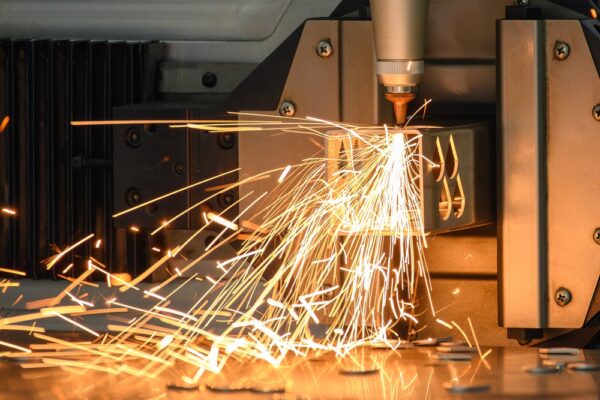
metal fabrication

Understanding Metal Fabrication Projects

Metal fabrication projects involve the transformation of raw metal into functional components or finished products, requiring a careful balance of planning, skill, and precision. In Melbourne, where sheet metal work supports industries from construction to manufacturing, understanding the workflow is critical for efficiency and quality. Fabrication processes typically include cutting, bending, welding, and finishing, each demanding specialised expertise and reliable machinery.

Project managers must pay close attention to design specifications, material types, and tolerance requirements, as even minor deviations can affect the final product. Advanced sheet metal machinery such as CNC machines, press brakes, and laser cutters play a central role in achieving consistent results. Effective project management ensures that these machines are scheduled correctly and maintained regularly to prevent costly downtime.

Resource coordination is essential for successful execution. This includes aligning skilled operators, managing inventory, and integrating machinery maintenance schedules into project timelines.

  • Accurate workflow planning reduces rework and minimises material waste.
  • Monitoring each stage of production helps maintain quality control.
  • Incorporating predictive maintenance enhances machinery lifespan and project efficiency.

By understanding the full scope of metal fabrication projects, businesses can streamline operations, meet client expectations, and deliver high-quality results consistently.

Key Phases of Metal Fabrication Project Management

Successfully managing a metal fabrication project requires a structured approach, ensuring that each stage is executed efficiently and meets quality standards. Breaking the process into distinct phases can help project managers across the country optimise workflow, allocate resources effectively, and reduce risks associated with machinery downtime or material errors.

Project Planning

The planning phase sets the foundation for the entire fabrication process. It involves defining the project scope, confirming design specifications, selecting appropriate materials, and establishing timelines. Detailed planning also includes scheduling the use of sheet metal machinery, such as CNC machines and press brakes, to ensure that each task is achievable within the allocated timeframe. Accurate planning minimises errors, reduces material waste, and ensures client expectations are clearly understood and achievable.

Resource Allocation

Resource allocation is critical to keeping projects on schedule and within budget. This phase involves coordinating skilled operators, managing the availability of sheet metal machinery, and ensuring raw materials are supplied at the right time. By integrating machinery maintenance schedules into project timelines, businesses can avoid unexpected downtime, enhance productivity, and extend the lifespan of expensive equipment. Effective resource allocation also considers the workflow sequence, balancing high-demand machinery across multiple tasks to prevent bottlenecks.

Execution and Workflow Management

During execution, tasks are carried out according to the plan, with careful monitoring of each stage. Workflow management involves tracking production stages, ensuring machines operate efficiently, and maintaining clear communication across teams. Modern project management software can assist by providing real-time updates, helping managers anticipate issues, and maintaining consistent quality control.

Quality Assurance

Quality assurance is embedded throughout every phase of the project. Inspecting fabricated components against specifications, checking tolerances, and conducting routine machine calibrations ensures that the final product meets client expectations. A robust quality control process not only safeguards reputation but also reduces rework and operational costs.

By following these phases, metal fabrication businesses can streamline operations, maximise machinery performance, and deliver superior results consistently.

sheet metal machinery

Risk Management in Metal Fabrication

Effective risk management is essential in metal fabrication project management to safeguard both project timelines and machinery performance. Fabrication projects face several potential risks, including machine breakdowns, supply chain delays, human error, and unforeseen technical challenges. Proactively identifying these risks allows project managers to implement strategies that minimise disruptions and maintain smooth workflow.

Predictive maintenance plays a key role in reducing machinery-related risks. Regular servicing of sheet metal machinery helps prevent unexpected downtime, ensuring projects remain on schedule. Monitoring machine performance and scheduling repairs before failures occur also extends equipment lifespan and reduces operational costs.

Material management can be another area of concern. Delays in sourcing metal sheets or components can halt production, so project managers often maintain buffer stock or establish reliable supplier agreements. Additionally, implementing strict quality control protocols mitigates the risk of defective components entering the production line, which could otherwise lead to costly rework.

  • Identifying potential risks early ensures contingency plans can be developed.
  • Continuous monitoring and communication help teams respond promptly to issues.
  • Integrating maintenance schedules and workflow planning reduces the likelihood of downtime.

By addressing risks systematically, metal fabrication businesses can enhance efficiency, protect valuable machinery, and consistently deliver high-quality outcomes.

Technology & Digital Tools

In modern metal fabrication project management, technology plays a pivotal role in streamlining operations, optimising resources, and improving overall efficiency. Melbourne-based fabrication businesses increasingly rely on digital tools to coordinate complex workflows, track project progress, and ensure machinery operates at peak performance.

Project management software allows teams to schedule tasks, monitor deadlines, and assign responsibilities clearly, providing a central hub for communication and collaboration. By integrating these systems with sheet metal machinery, such as CNC machines, laser cutters, and press brakes, managers can synchronise production schedules with maintenance plans, reducing downtime and enhancing equipment utilisation.

Real-time data tracking also enables proactive decision-making. Operators and managers can monitor machine performance, track material usage, and detect potential issues before they escalate. Digital tools support quality control processes by recording inspections, tolerance checks, and fabrication logs, ensuring that each component meets client specifications.

  • Software dashboards offer visibility into every stage of the fabrication workflow, helping teams maintain efficiency.
  • Automated alerts for maintenance or workflow deviations minimise project delays.
  • Data analytics can identify recurring inefficiencies, allowing managers to refine processes continuously.

By leveraging technology and digital integration, metal fabrication businesses can achieve greater precision, reduce operational costs, and consistently deliver high-quality products on time.

sheet metal workshop technician

Best Practices for Efficient Project Management

Implementing best practices in metal fabrication project management is essential for maintaining efficiency, reducing costs, and ensuring consistent quality. In Melbourne’s competitive fabrication sector, businesses that standardise procedures and optimise workflow gain a significant advantage.

One key practice is developing clear standard operating procedures (SOPs) for all tasks, from machine operation to material handling. SOPs help teams maintain consistency, reduce errors, and improve safety. Lean management principles can also be applied to minimise waste and streamline production stages, ensuring that sheet metal machinery operates at optimal capacity.

Effective communication across teams and with clients is another critical element. Regular updates, clear task assignments, and centralised documentation prevent misunderstandings and keep projects on track. Integrating maintenance schedules with project timelines ensures machinery remains reliable, reducing downtime and unexpected costs.

By following these best practices, businesses can enhance workflow, protect their equipment, and deliver high-quality results efficiently and consistently.

Looking for Sheet Metal Machinery Maintenance?

Look no further than ACRA Machinery for all your sheet metal machinery needs. We are proud to bring you 42 years of sheet metal expertise and are ready to help with sheet metal machinery sales, repair and maintenance.

Get in touch with ACRA by calling 03 9794 6675 or fill out our online contact form and we will get back to you.

Frequently Asked Questions

What is metal fabrication project management?

Metal fabrication project management involves planning, coordinating, and supervising all stages of a fabrication project. It ensures that design specifications, timelines, and budgets are met while maintaining high-quality standards for each component.

Why is machinery maintenance important in metal fabrication?

Regular maintenance prevents unexpected downtime, extends the lifespan of equipment, and ensures consistent production quality. For businesses using sheet metal machinery, maintenance is crucial to keep CNC machines, press brakes, and laser cutters operating efficiently.

How can businesses optimise fabrication workflow?

Optimising workflow involves effective resource allocation, standard operating procedures, lean management principles, and integrating maintenance schedules. Coordinating skilled operators with machinery schedules reduces downtime and ensures smooth project execution.

What are common risks in metal fabrication projects?

Typical risks include machine breakdowns, material shortages, human error, and quality control issues. Implementing predictive maintenance, thorough planning, and quality inspections helps mitigate these risks.

What skills are essential for a metal fabrication project manager?

Project managers need strong planning, communication, and organisational skills, as well as technical knowledge of sheet metal machinery and fabrication processes to coordinate teams and maintain quality standards effectively.

Metal Cutting Methods for Sheet Metal Machinery in Melbourne: Techniques, Tips and Maintenance

Metal cutting methods are at the heart of modern manufacturing, shaping raw materials into precise, functional components that drive industries across Australia. For businesses working with sheet metal machinery, understanding the full spectrum of cutting techniques is essential not only for productivity but also for extending the lifespan of valuable equipment. From traditional mechanical approaches like shearing and punching to high-tech solutions such as laser and water jet cutting, each method offers unique advantages depending on material type, thickness, and project requirements. Choosing the right technique can save time, reduce waste, and ensure cleaner, more accurate cuts. Equally important is the proper maintenance of sheet metal machinery, which keeps operations running smoothly and prevents costly downtime. Whether you’re fabricating intricate designs or handling heavy steel plates, a thorough grasp of metal cutting methods is key to achieving efficiency, precision, and long-term reliability in any workshop.

metal cutting methods

Mechanical Cutting Methods

Mechanical cutting methods form the foundation of sheet metal fabrication, relying on physical force to separate or shape metal. For workshops and manufacturers in Melbourne and across Australia, these techniques are often the most cost-effective and widely used, particularly for routine cutting tasks.

Shearing is one of the simplest and most efficient mechanical methods. It involves using straight blades to slice through sheet metal, producing clean edges with minimal material waste. Shearing is ideal for cutting large sheets quickly, though regular blade inspections are crucial to maintain accuracy and prevent uneven cuts.

Sawing offers a versatile alternative for cutting metals of varying thicknesses. Band saws and circular saws are commonly used, with CNC-controlled saws providing higher precision for complex shapes. Saw blades must be regularly checked and replaced to avoid wear, which can compromise both the quality of cuts and the performance of the machinery.

Punching and stamping are widely used in high-volume sheet metal operations. Punching employs a die and press to create holes or specific shapes in the metal, while stamping presses can form intricate patterns or embossing. CNC punching machines allow for consistent, repeatable results, but maintaining tooling is essential to prevent breakages and ensure worker safety.

For any sheet metal workshop, understanding these mechanical cutting methods is crucial. Not only do they offer reliable and cost-effective solutions for everyday cutting needs, but when paired with diligent maintenance, they also prolong the life of the sheet metal machinery, reduce downtime, and improve overall production efficiency.

Thermal Cutting Methods

Thermal cutting methods use heat to cut through metal, offering precision and speed that mechanical techniques sometimes cannot match. For sheet metal workshops in across the country, these methods are particularly useful when working with thicker metals or complex designs, as they can deliver clean edges with minimal physical force.

Oxy-fuel cutting is one of the oldest and most reliable thermal methods. It involves a flame that heats the metal to its ignition temperature, while a stream of oxygen burns through the material. Oxy-fuel cutting is ideal for heavy steel plates and structural components, providing deep, accurate cuts. Regular maintenance of torches, regulators, and gas supply lines is essential to ensure safety and consistent performance.

Plasma cutting has become a popular choice for medium-thickness metals, especially in high-speed or CNC-controlled operations. By generating a jet of ionised gas at extremely high temperatures, plasma cutters can slice through steel, aluminium, and other conductive metals with precision. Maintaining electrodes, nozzles, and machine calibration is critical to avoid uneven cuts or reduced efficiency.

Laser cutting represents the pinnacle of precision in thermal cutting. Using focused light beams, lasers can create intricate shapes and designs with minimal edge finishing required. This method is particularly beneficial for high-volume production or delicate, detailed work. Regular cleaning of lenses and mirrors, along with proper alignment, ensures the machinery continues to operate at peak performance.

For sheet metal operations, selecting the right thermal cutting method depends on material type, thickness, and production requirements. When combined with routine maintenance, thermal cutting techniques not only enhance productivity but also prolong the lifespan of sheet metal machinery, reduce waste, and maintain consistent quality across all projects.

sheet metal laser cutting

Advanced Cutting Methods

For workshops seeking precision and versatility beyond traditional mechanical and thermal techniques, advanced cutting methods offer innovative solutions. These methods are particularly useful when handling heat-sensitive metals or intricate designs that demand minimal distortion.

Water jet cutting is a standout example, using a high-pressure stream of water, often mixed with abrasive materials, to cut through metal. Unlike thermal methods, water jet cutting generates no heat-affected zone, preserving the structural integrity of sensitive alloys and producing smooth, accurate edges. This makes it an excellent choice for metals that could warp or discolour under high temperatures. Regular maintenance of pumps, nozzles, and abrasive feed systems ensures consistent cutting quality.

Emerging technologies, including hybrid cutting methods that combine mechanical and thermal approaches or utilise advanced CNC automation, are gradually transforming metal fabrication. These innovations allow for increased flexibility, faster production times, and higher precision, while also reducing material waste.

For sheet metal machinery operators in Australia, understanding advanced cutting methods not only broadens the range of projects they can undertake but also highlights the importance of keeping machinery well-maintained. Proper care ensures that these sophisticated systems deliver optimal performance and long-term reliability.

Factors Affecting Choice of Cutting Method

Selecting the right metal cutting method involves more than just choosing between mechanical, thermal, or advanced techniques. For sheet metal machinery operators, owners, and businesses across the country, several key factors influence this decision.

Material type and thickness are primary considerations. Harder or thicker metals may require thermal or water jet cutting, while thinner sheets can often be handled efficiently with mechanical methods. Precision requirements also play a role; intricate designs or components with tight tolerances often benefit from laser or water jet cutting.

Production volume and speed are equally important. High-volume operations may rely on CNC punching or plasma cutting to maintain consistency and efficiency, while smaller, bespoke projects might use shearing or manual laser cutting.

Finally, equipment cost and maintenance requirements can determine the most practical option. Choosing a method that balances productivity, precision, and machinery longevity ensures smoother operations, lower downtime, and better long-term value for any workshop.

sheet metal machinery

Maintenance Tips for Cutting Machinery

Regular machinery maintenance is essential to keep sheet metal machinery operating efficiently and safely. For workshops in Melbourne, consistent care not only prolongs equipment lifespan but also ensures precision and reduces downtime.

Routine inspections should include checking blades, punches, and cutting tools for wear or damage. Dull or worn components can compromise cut quality and place unnecessary strain on machinery. Calibration of CNC systems, lasers, and plasma cutters ensures accuracy, while lubrication of moving parts minimises friction and mechanical wear.

Keeping machinery and workspaces clean is equally important. Dust, metal shavings, and debris can interfere with cutting performance or damage sensitive components. Scheduling preventative maintenance and adhering to manufacturer guidelines helps identify potential issues early, avoiding costly repairs or production delays.

For Melbourne workshops handling sheet metal, combining regular maintenance with proper operation practices guarantees that cutting machinery delivers consistent, high-quality results, project after project.

Do You Need Sheet Metal Machinery in Melbourne?

Understanding the range of metal cutting methods is essential for any sheet metal workshop in Melbourne. When you are looking for sheet metal machinery expertise, look no further than ACRA Machinery. We are backed by 42 years of industry experience and are ready to help with sheet metal machinery sales, repair and maintenance.

Get in touch with ACRA by calling 03 9794 6675 or fill out our online contact form and we will get back to you.

Frequently Asked Questions

How do I choose the right metal cutting method?

The choice depends on material type, thickness, precision requirements, and production volume. Mechanical methods suit thinner sheets, while thermal or water jet cutting is better for thicker or heat-sensitive metals.

What is the difference between mechanical and thermal cutting?

Mechanical cutting uses force to shear, saw, or punch metal, whereas thermal cutting melts or burns through the material using heat, such as in plasma, laser, or oxy-fuel cutting.

How often should sheet metal machinery be maintained?

Routine inspections, blade and tool replacements, calibration, and lubrication should be carried out regularly to ensure accuracy, safety, and longevity.

Can water jet cutting replace laser cutting?

Water jet cutting is ideal for heat-sensitive metals and thicker materials, while laser cutting offers greater precision for intricate designs.

What safety measures are essential for metal cutting?

Use protective gear, maintain clean workspaces, ensure correct tool setup, and adhere to machinery maintenance schedules to prevent accidents.

Can regular maintenance improve the lifespan of sheet metal machinery?

Yes, routine maintenance such as blade inspections, lubrication, and calibration helps prevent wear and breakdowns, ensuring cutting machinery remains precise, efficient, and long-lasting.

A Comprehensive Guide to Sheet Metal Bending Techniques

Sheet metal bending techniques are at the heart of modern fabrication; shaping flat sheets of metal into functional and precise components used across countless industries. Whether in automotive, aerospace, construction, or architectural design, bending processes determine the strength, durability, and accuracy of the final product. For Australian workshops, mastering these techniques is essential to staying competitive in a fast-paced market. Advances in sheet metal machinery, such as CNC press brakes and automated systems, have transformed traditional methods, delivering higher precision and efficiency while reducing waste. From simple bends to complex curves and channels, today’s technology allows fabricators to achieve results that were once difficult to produce with consistency. This month we explore the fundamentals of bending, the different methods available, and the role of modern automation in shaping the future of Australian metalworking.

Fundamentals of Sheet Metal Bending

At its core, sheet metal bending is the process of applying force to a flat sheet so that it takes on a specific angle, curve, or shape without breaking or damaging the material. The success of any bend depends on the balance between tensile strength, compressive forces, and the ductility of the chosen alloy. These physical properties determine how the sheet behaves when manipulated under pressure.

Bending is influenced by several factors, including the thickness of the sheet, the type of metal, and the tooling used in the operation. For instance, aluminium requires different handling compared to steel, and each material has its own spring-back characteristics that must be compensated for during production.

Understanding the fundamentals also involves recognising common terms such as bend allowance, bend radius, and neutral axis. These calculations ensure precision, allowing workshops to consistently deliver components that fit seamlessly into larger assemblies across industries like automotive, construction, and electronics.

By grasping these essential principles, fabricators can choose the right method, minimise material waste, and optimise production quality, ensuring their processes remain efficient and cost-effective in an increasingly competitive manufacturing environment.

Common Sheet Metal Bending Techniques

Sheet metal bending can be carried out using a variety of techniques, each suited to different production requirements and levels of precision. The most widely used approach is air bending, where the punch presses the sheet into a die but does not make full contact, allowing for flexibility in creating multiple angles with the same tooling. This technique is popular in workshops across Australia because it minimises tool changes and reduces costs.

Another frequently applied method is bottoming, where the sheet is pressed firmly into the die. This produces more accurate angles than air bending but requires precise tooling and a greater understanding of the metal’s behaviour. Coining, a more forceful method, compresses the sheet to achieve exact angles with minimal spring-back. Though highly accurate, it demands greater energy input and can wear machinery faster if not maintained properly.

For complex shapes, roll bending is often used, particularly for producing large radii or cylindrical forms. In contrast, wipe bending is ideal for creating flanges or edges, commonly used in enclosures, brackets, and frames.

Each of these bending techniques has its own strengths and limitations, and fabricators must consider material properties, machine capacity, and the desired final geometry.

sheet metal bending factory

Role of Technology in Modern Bending

Advancements in technology have transformed how workshops approach sheet metal bending, making the process more precise, efficient, and adaptable. In the past, bending relied heavily on operator skill and manual control, but today’s machinery integrates sophisticated systems that automate much of the process. This shift has not only improved accuracy but also reduced material wastage and production time.

Modern CNC press brakes are a prime example of how technology supports metal fabrication. These machines use computer numerical control to guide every movement of the punch and die, ensuring consistent results across high-volume runs. With programmable settings, fabricators can quickly adjust angles, tooling, and sequences, making it possible to handle a wide variety of materials and thicknesses.

Another innovation is the use of simulation software, which allows operators to model a bend before it is performed. This predictive capability minimises errors, reduces trial-and-error adjustments, and ensures the final product meets design specifications. Integrated sensors and real-time monitoring also play a role by detecting deviations during the process and making immediate corrections.

For Australian manufacturers competing in industries such as aerospace, construction, and renewable energy, adopting advanced bending technology means achieving tighter tolerances, faster turnaround times, and greater adaptability to client demands. The integration of automation and digital control ensures that even complex geometries can be produced reliably, setting a new benchmark for precision in modern sheet metal fabrication.

Material Considerations in Bending

The choice of material plays a decisive role in the success of sheet metal bending, as each metal responds differently to applied stress and tooling pressure. Factors such as ductility, tensile strength, and thickness must be considered to avoid defects like cracking, warping, or excessive spring-back.

For instance, aluminium is widely used because it is lightweight and malleable, making it easier to form. However, it is prone to spring-back, which requires precise calculation of bend allowances. Steel, on the other hand, offers superior strength but demands higher tonnage during bending operations. Stainless steel is particularly challenging due to its resistance to deformation, while copper and brass are more forgiving and suitable for intricate shapes.

The thickness of the sheet also determines which technique and tooling are most appropriate. Thicker materials often require more robust machinery and larger bend radii to prevent material failure. Surface treatments, such as galvanising or coating, can further impact bending behaviour by altering friction levels and surface hardness.

Tools and Equipment Used in Bending

The success of any sheet metal bending project relies heavily on the tools and equipment selected for the job. Precision and efficiency are achieved when the right machinery, dies, and punches are paired with the correct technique and material. In modern workshops, press brakes are the most commonly used machines, providing controlled force to shape metal sheets into accurate angles and curves. These machines range from manual to CNC-operated systems, with automated options delivering superior accuracy and repeatability.

Tooling is equally critical in achieving consistent results. The punch, which applies downward force, and the die, which supports and shapes the sheet, come in various profiles designed for specific bends. V-dies, U-dies, and specialised radius tools all serve unique functions depending on the desired geometry. Choosing the right die width in relation to the sheet thickness ensures clean bends and reduces the risk of cracking or excessive wear.

Additional equipment, such as back gauges and clamping systems, enhances accuracy by positioning the sheet consistently throughout production. In Australian workshops, investment in high-quality sheet metal machinery and tooling not only extends the lifespan of equipment but also boosts productivity, enabling fabricators to handle complex projects with confidence and precision.

sheet metal machinery

Common Challenges and How to Overcome Them

Despite advancements in machinery and tooling, sheet metal bending still presents challenges that fabricators must manage to ensure quality outcomes. One of the most frequent issues is spring-back, where the metal partially returns to its original shape after bending. This can be addressed by adjusting bend allowances or using methods such as bottoming or coining to lock the angle more precisely.

Another challenge is material cracking, particularly in harder metals or when the bend radius is too tight. Selecting appropriate tooling, ensuring correct grain direction, and choosing materials with higher ductility can help reduce the risk of fractures.

Misalignment and inconsistent bends are also common in busy workshops. These problems are often solved through accurate calibration of sheet metal machinery and the use of back gauges or digital controls. By proactively addressing these challenges, Australian fabricators can maintain high standards of precision while reducing costly rework and material wastage.

Applications of Sheet Metal Bending in Industry

Sheet metal bending plays a vital role in a wide range of industries across Australia, providing the backbone for products that demand durability, precision, and efficiency. In the construction sector, bent components are used for roofing, cladding, framing, and ductwork, where accurate shaping ensures both structural integrity and visual appeal.

In the automotive industry, bending techniques are essential for creating chassis parts, brackets, and panels that must meet strict safety and performance standards. Similarly, in aerospace and defence, precision bending supports the manufacture of lightweight yet strong components that can withstand extreme conditions.

Electronics and appliance manufacturers also rely on bending processes for enclosures, casings, and brackets, where exact tolerances are critical for assembly. By combining the right sheet metal machinery with advanced bending methods, Australian workshops are able to serve diverse markets, delivering components that are both functional and cost-effective.

process bending sheet metal on hydraulic

Do You Need Sheet Metal Machinery in Melbourne?

Look no further than ACRA Machinery for your sheet metal needs. Backed by 42 years of industry experience, we are ready to help with sheet metal machinery sales, repair and maintenance.

Get in touch with us by calling 03 9794 6675 or fill out our online contact form and we will get back to you.

FAQ: Sheet Metal Bending Techniques

What are the most common sheet metal bending techniques?

The most widely used techniques include air bending, bottoming, and coining. Advanced methods like roll bending, wipe bending, and U-bending are also common for producing curves, channels, and complex shapes.

How can I reduce spring-back in sheet metal bending?

Spring-back can be minimised by selecting the right tooling, adjusting bend allowances, and using techniques such as bottoming or coining. CNC-controlled machinery also improves precision and consistency.

Which industries rely most on sheet metal bending in Australia?

Industries such as automotive, aerospace, construction, architecture, and electronics depend heavily on bending processes to produce precise, durable components.

What tools are essential for effective sheet metal bending?

Press brakes, punches, dies, back gauges, and clamping systems are fundamental. High-quality sheet metal machinery ensures consistent bends and reduces material waste.

Is automation necessary for modern bending operations?

While manual bending is still used, automated CNC press brakes and robotic systems offer superior accuracy, repeatability, and efficiency, especially for high-volume or complex projects in Australian workshops.

A Complete Guide to Automated Sheet Metal Fabrication

Automated sheet metal fabrication is transforming the way Australian workshops approach precision metalworking. Gone are the days when sheet metal machinery operators relied solely on manual presses, hammers, and hand tools to shape and form components. Today, advanced machinery equipped with CNC technology, robotic arms, and laser cutting systems is enabling manufacturers across Melbourne and beyond to produce high-quality parts faster, more consistently, and with less waste. For workshops facing increasing demand, tight deadlines, and the need for flawless accuracy, automation isn’t just a convenience, it’s a competitive necessity. Beyond speed and efficiency, automated systems offer enhanced repeatability, minimise errors, and ensure compliance with industry standards. In a market where precision matters, investing in modern fabrication technology allows businesses to stay ahead of the curve, expand capabilities, and meet client expectations without compromise.

sheet metal machinery

Understanding Automated Sheet Metal Fabrication

Automated sheet metal fabrication refers to the use of computer-controlled machinery and robotic systems to cut, bend, punch, and assemble sheet metal components with minimal human intervention. Unlike traditional manual methods, automation integrates CNC technology, precision laser cutting, and robotic arms to deliver consistent, high-quality results. This modern approach reduces the risk of errors, increases repeatability, and streamlines production processes for manufacturers across Australia.

The core technologies involved in automated fabrication include CNC press brakes, laser cutters, and turret punches. These machines are often paired with advanced software, such as CAD and CAM systems, which allow designers to create complex parts digitally before sending precise instructions to the machinery. In addition to hardware and software, automated workflows often incorporate sensors, conveyors, and automated material handling systems to further enhance efficiency and reduce operator fatigue.

Workshops adopting automation can produce intricate architectural components, automotive parts, and industrial machinery with remarkable accuracy. Over time, these systems not only improve output but also reduce material waste and maintenance costs. For Australian manufacturers, investing in automated sheet metal fabrication provides a competitive edge, enabling businesses to meet tighter deadlines and maintain consistent quality across all production runs.

Key Benefits of Automation in Sheet Metal Fabrication

Investing in automated sheet metal fabrication brings significant advantages to modern workshops, particularly for manufacturers in Melbourne and across Australia. These systems are designed to enhance precision, improve productivity, and reduce operational costs, all while maintaining consistent quality. Automation allows workshops to achieve results that would be challenging or impossible with traditional manual methods.

Enhanced Precision and Accuracy

One of the most important benefits is improved precision. CNC-controlled machines and laser cutters ensure every cut, bend, or punch aligns perfectly with design specifications. This reduces the risk of human error and minimises material waste, which is particularly critical in industries like aerospace, automotive, and architectural metalwork. Precision metalworking also supports compliance with Australian standards, helping businesses maintain quality assurance and client trust.

fibre laser cutting machine

Increased Productivity and Efficiency

Automated machinery significantly boosts production speed by operating continuously and performing repetitive tasks more efficiently than manual methods. Modern systems can handle complex shapes, high-volume production runs, and intricate components with minimal intervention, allowing operators to focus on other aspects of manufacturing.

Cost Savings and Return on Investment

Although the upfront investment can be substantial, automation reduces long-term costs. Less material waste, fewer errors, and lower labour requirements contribute to a strong return on investment. For Australian workshops, the combination of improved efficiency, repeatable quality, and reduced downtime makes automated sheet metal fabrication a smart, strategic choice for sustainable growth and competitiveness.

Technologies Driving Automated Fabrication

Modern automated sheet metal fabrication relies on a combination of advanced machinery, software, and robotic systems to deliver high-quality, precise results. These technologies enable Australian workshops to produce complex components efficiently while maintaining strict tolerances and consistency. Understanding the key technologies involved can help businesses make informed decisions when upgrading or expanding their facilities.

CNC Machines

CNC, or Computer Numerical Control, machines form the backbone of automated metalworking. CNC press brakes, laser cutters, and turret punches are programmed with precise instructions to execute accurate cuts, bends, and holes. By integrating CAD and CAM software, operators can design components digitally and transfer them directly to the machinery, reducing errors and improving workflow efficiency.

Robotics and Automation

Robotic arms and automated material handling systems play a critical role in enhancing productivity. These systems can load, position, and manipulate sheet metal with consistent precision, reducing the reliance on manual labour and minimising the risk of damage or injury. Automated conveyors and feeders further streamline the production line, ensuring continuous operation.

Advanced Software Integration

Software solutions, including CAD/CAM, simulation tools, and monitoring systems, allow workshops to optimise processes and manage production data. Predictive maintenance and real-time diagnostics help identify potential issues before they disrupt operations, ensuring machinery runs at peak performance.

Applications Across Industries

Automated sheet metal fabrication has transformed manufacturing across a wide range of industries in Australia. Its precision, speed, and repeatability make it ideal for producing complex components that require tight tolerances and consistent quality. Australian workshops, particularly in Melbourne and Victoria’s industrial hubs, are leveraging these technologies to meet increasing demand for high-quality, reliable products.

In the automotive sector, automated systems are used to fabricate body panels, chassis components, and custom parts with minimal errors. The ability to produce consistent components at scale has helped local manufacturers remain competitive in both domestic and international markets.

The aerospace industry benefits from automation due to the strict precision requirements for aircraft components. CNC machines, laser cutters, and robotic systems enable workshops to create intricate parts that meet rigorous safety and quality standards.

Other sectors such as construction, industrial machinery, and architectural metalwork also rely heavily on automated fabrication. From cladding panels to industrial enclosures and specialised machinery parts, these technologies allow manufacturers to deliver complex designs efficiently.

Challenges and Considerations

While automated sheet metal fabrication offers numerous benefits, it is not without challenges. Australian workshops considering investment in these technologies must carefully evaluate costs, workforce skills, and integration requirements before committing to new machinery. Understanding these considerations helps ensure a smooth transition and maximises the return on investment.

High Initial Investment

One of the primary challenges is the upfront cost of purchasing advanced machinery. CNC machines, laser cutters, and robotic systems require significant capital, which may be a barrier for smaller workshops. However, this investment often pays off in the long term through reduced labour costs, lower material waste, and higher productivity.

Workforce Training

Automation demands a skilled workforce capable of operating, programming, and maintaining sophisticated equipment. Australian manufacturers must provide comprehensive training to ensure staff can use machines effectively and safely, avoiding downtime and errors.

Integration and Maintenance

Integrating automated systems into existing production lines can be complex. Workshops need to consider workflow optimisation, software compatibility, and ongoing preventative maintenance. Regular servicing and calibration are essential to maintain precision and extend machinery lifespan.

Future Trends in Automated Sheet Metal Fabrication

The future of automated sheet metal fabrication is being shaped by advancements in technology, connectivity, and sustainability. Australian workshops are increasingly adopting smart manufacturing practices, integrating artificial intelligence, IoT-enabled machinery, and data analytics to improve production efficiency and precision. These innovations allow manufacturers to monitor machine performance in real time, predict maintenance needs, and reduce unplanned downtime.

Choosing the Right Automated Solutions for Your Workshop

Selecting the right automated sheet metal fabrication equipment is a critical decision for any Australian workshop. The ideal solution balances production requirements, precision, and budget while supporting long-term business growth. Understanding your specific needs ensures that investments in CNC machines, laser cutters, or robotic systems deliver maximum efficiency and return on investment.

fibre laser cutting machine

Key Considerations

Workshops should evaluate factors such as production volume, material types, and the complexity of parts being manufactured. Compatibility with existing software, ease of integration into current workflows, and ongoing maintenance requirements are also crucial considerations.

Partnering with a local supplier in Melbourne or Victoria can provide significant advantages, including personalised support, faster access to spare parts, and on-site service. A trusted supplier can guide workshops through machinery selection, installation, and training, ensuring that the automated solutions chosen enhance precision, productivity, and operational efficiency from day one.

Do You Need Sheet Metal Machinery?

If you are looking for sheet metal machinery and are ready to upgrade, look no further than ACRA Machinery. Backed by over 40 years of industry experience, we are here to help with all of your sheet metal needs, including sales, repair, and maintenance.

Get in touch with us by calling 03 9794 6675 or fill out our online contact form and we will get back to you.

FAQ: Automated Sheet Metal Fabrication

What is automated sheet metal fabrication?

Automated sheet metal fabrication is the process of using computer-controlled machinery, such as CNC machines and robotic systems, to cut, bend, punch, and assemble sheet metal components with minimal human intervention. This method improves accuracy, efficiency, and consistency across production runs.

How does automation improve precision and efficiency?

Automation ensures components are manufactured to exact specifications by reducing human error. CNC programming, laser cutting, and robotic handling allow workshops to produce complex designs faster, with less material waste and consistent quality.

Which industries benefit most from automated sheet metal machinery?

Industries such as automotive, aerospace, construction, industrial machinery, and architectural fabrication see the greatest advantages. Any sector requiring high-precision components and repeatable results can benefit from automation.

How often should automated machines be serviced or calibrated?

Regular servicing and calibration are essential to maintain accuracy and extend equipment lifespan. Many workshops schedule full calibration annually, with basic checks more frequently, depending on machine usage and production demands.

Why Regular Machine Calibration Matters for Precision Metalworking

In the world of metal fabrication and manufacturing, accuracy isn’t a luxury – it’s a necessity. Whether it’s a large-scale structural component or a finely detailed sheet metal part, even a fraction of a millimetre out of alignment can render a job unusable or unsafe. That’s where machine calibration becomes crucial. For manufacturers and metalworking workshops across Melbourne and Australia, regular calibration of equipment is key to maintaining product quality, operator safety, and business efficiency. Yet it’s a step that’s often overlooked until costly errors start stacking up. This month, we explore why machine calibration matters, how often it should be done, and what benefits this offers to sheet metal machinery workshops.

What Is Machine Calibration?

Machine calibration is the process of checking and adjusting your machinery so that it performs according to the manufacturer’s original specifications. Over time, due to regular use, vibrations, environmental conditions, or even minor collisions, machinery can fall out of alignment. Calibration ensures that essential components like cutting tools, press brakes, laser heads, or CNC positioning systems operate with maximum precision.

Why Calibration Matters in Metalworking

  1. Precision and Accuracy

When dealing with metals, minor inaccuracies can cause big problems. A CNC turret punch that’s just slightly off-target can produce faulty parts, waste material, and delay production. A press brake with inconsistent back gauge alignment might cause uneven bends that compromise structural integrity or aesthetic appeal.

Precision is especially vital in industries like:

  • Aerospace and defence, where components must meet strict tolerance requirements
  • Construction and infrastructure, where fittings and frames need to align perfectly
  • Automotive and transport, where high volumes of parts must be consistently reliable

If you’re working in any of these sectors, calibrated machinery isn’t optional – it’s essential.

  1. Consistency Across Production Runs

Even if a machine produces accurate parts on day one, that doesn’t mean it will still be accurate weeks or months later. Small changes in machine alignment can cause gradual deviations, which may go unnoticed until they cause major inconsistencies across a production batch.

Regular calibration ensures that every part you produce meets the same high-quality standards, no matter when or how many times it’s made. That kind of consistency is what sets professional workshops apart, particularly in competitive markets like Melbourne and regional manufacturing hubs across Victoria.

  1. Cost Efficiency and Waste Reduction

Running machinery that’s out of alignment or not correctly calibrated can lead to increased material waste and rework. Sheets may need to be recut, components refabricated, or finished goods discarded. That’s not only expensive, but it’s also inefficient and time-consuming.

Machine calibration helps prevent these problems at the source by catching potential errors before they snowball into bigger issues. It ensures optimal machine performance, reduces downtime, and helps you get the most value out of every sheet of metal.

  1. Improved Machine Longevity

Machines that are misaligned or operating under strain tend to wear out faster. Bearings, gears, hydraulics, and tooling all experience additional stress when machines aren’t calibrated properly. Over time, this can lead to premature failure or the need for more frequent servicing.

Regular calibration, paired with a preventative maintenance schedule, helps extend the life of your equipment. It reduces wear and tear on key components and allows you to get more return on your capital investment, whether you’re running high-end CNCs or basic press brakes.

  1. Compliance with Industry Standards

In Australia, many industries are governed by strict quality control standards, including ISO 9001 for manufacturing quality management and AS/NZS safety regulations. Failing to meet these benchmarks can cost you contracts, reputation, and even legal compliance.

Calibration records form a critical part of your quality assurance system. Being able to demonstrate that your machinery is routinely checked and adjusted according to the appropriate tolerances helps you stay compliant and audit-ready.

This is particularly important for businesses seeking to win government tenders or partner with large commercial clients.

How Often Should You Calibrate Your Machinery?

There’s no one-size-fits-all answer, as calibration frequency depends on several factors:

  • Type of machine: More complex machines, like CNC routers or laser cutters, may require more frequent calibration than simpler mechanical systems.
  • Frequency of use: Heavily used machines will need more regular attention.
  • Material processed: Thicker or harder metals can put more strain on machines, increasing the risk of misalignment.
  • Operating environment: Dust, heat, and vibration (common in many Australian workshops) can all contribute to calibration drift.
  • Manufacturer’s recommendations: Always check the guidelines for your specific model.

As a general rule, many experts recommend a full calibration every 6 to 12 months, with basic checks performed more frequently. If your business operates under ISO certification, your calibration schedule may also need to align with audit requirements.

Do You Need Sheet Metal Machinery Repair and Maintenance?

If your business has outgrown its machinery and you are ready to upgrade, look no further than ACRA Machinery. Backed by 42 years of industry experience, we are here to help with all of your sheet metal machinery needs, including sales, repair, and maintenance.

Get in touch with us by calling 03 9794 6674 or fill out our online contact form and we will get back to you.

From Prototype to Production: Scaling Your Business with Laser Cutting Automation

From prototype to production, scaling your business with laser cutting automation is a game-changing strategy for modern manufacturing. As Aussie businesses face the challenge of ramping up operations without sacrificing quality, this technology offers a ripper solution. The journey from small-batch creation to full-scale manufacturing demands efficiency, precision, and adaptability – areas where laser cutting technology truly shines. By embracing automated cutting processes, companies can maintain exceptional standards while boosting throughput and slashing costs.

Key Advantages of Laser Cutting Automation

Laser cutting automation delivers competitive advantages that empower Australian businesses to scale effectively from prototype to high-volume production.

Enhanced Precision and Quality

The exceptional accuracy of automated laser systems ensures flawless execution of intricate designs while maintaining uniformity across production runs. Laser cutting technology minimises material waste by achieving exact specifications consistently, crucial when scaling beyond prototype stages. This precision becomes increasingly valuable as production volumes grow, ensuring the thousandth part matches the quality of the first prototype.

Increased Productivity

Manufacturing scalability reaches new heights as automated cutting processes streamline material handling and enable efficient part sorting. These systems operate continuously with minimal supervision, allowing businesses to fulfil larger orders and meet tight deadlines impossible with traditional methods. Many Australian manufacturers report productivity increases of 200-300% after implementing comprehensive laser automation solutions.

Cost Efficiency

Laser automation reduces reliance on manual labour, eliminates costly errors, and optimises material usage through sophisticated nesting software. These efficiencies lower per-unit costs as production scales up, creating a competitive edge in price-sensitive markets. The reduction in scrap material alone often justifies the investment, with most businesses experiencing 20-40% less waste compared to conventional cutting methods.

Versatility in Material Processing

Precision cutting technology offers remarkable versatility—metals, plastics, composites, and fabrics can all be processed with the same equipment. This flexibility enables businesses to expand into diverse markets without investing in additional machinery. The ability to quickly switch between materials with minimal setup time provides a significant advantage in today’s fast-paced manufacturing environment where customisation and small batch production are increasingly common.

Strategic Implementation for Scaling

Successful prototype to production transition requires thoughtful planning and strategic implementation of laser cutting automation.

Investing in Advanced Equipment

Selecting the right fibre laser technology forms the foundation of any successful scaling strategy. High-power fibre lasers or dual-head systems can increase throughput while maintaining precision. When evaluating equipment, consider both current needs and projected growth to ensure the system can accommodate expanding demand. The difference between entry-level and industrial-grade systems becomes apparent when operating at scale, making careful selection crucial for long-term success.

Integrating Automation Technologies

The true power of manufacturing efficiency emerges when combining multiple automation elements into a cohesive system. Robotic material handling systems create seamless workflows by reducing manual intervention. Many Australian manufacturers are now integrating AI-powered software that adjusts cutting parameters in real-time, ensuring consistent quality regardless of material variations. This level of smart factory integration represents the cutting edge of modern manufacturing, with the ability to collect and analyse production data providing opportunities for continuous improvement.

Optimising Material Usage

Advanced nesting software has revolutionised material optimisation practices. These programs arrange parts efficiently on raw materials, reducing waste and lowering costs. Many Australian businesses report material savings of 15-30% after implementing advanced nesting solutions alongside their laser cutting technology. The environmental benefits of this optimisation align with growing corporate sustainability goals, offering both economic and ecological advantages.

Training Skilled Operators

Even the most advanced industrial automation systems require knowledgeable operators to realise their full potential. Comprehensive training ensures staff can leverage sophisticated features, manage diverse materials, and make real-time adjustments to maintain production quality. Creating documented procedures and quality control protocols helps maintain consistent output even with staff rotation or expansion.

Addressing Implementation Challenges

Scaling with laser cutting automation presents several hurdles that require strategic planning to overcome.

Initial Investment Considerations

The significant upfront cost of high-quality laser cutting technology often gives business owners pause. However, cost-benefit analysis typically reveals that long-term savings in labour and materials outweigh these initial expenses. Many manufacturers find that improvements deliver return on investment within 18-24 months, particularly when considering the increased capacity to take on larger contracts previously beyond reach.

Bridging Skill Gaps

Operating advanced automated cutting processes requires specialised knowledge. Establishing structured training programs can effectively bridge this gap while ensuring smooth operations. Forward-thinking companies are developing partnerships with technical colleges to create talent pipelines, ensuring a steady supply of skilled operators familiar with the latest manufacturing technology.

Planning for Capacity Growth

As demand increases, existing equipment may struggle to maintain production throughput. Successful scaling strategies incorporate modular systems that can expand alongside production needs, preventing costly bottlenecks while allowing for strategic investment in additional capacity. Cloud-based production management systems can help optimise workflow distribution across multiple machines, maximising utilisation and efficiency.

The Future of Manufacturing Scale

Laser cutting automation represents a genuine game-changer for Aussie businesses navigating the journey from prototype to full-scale production. By harnessing the exceptional precision, efficiency, and versatility of this technology, companies can scale operations while maintaining high quality standards. The strategic implementation of fibre laser technology coupled with advanced nesting software creates a powerful foundation for business growth. As smart factory integration continues to evolve, the competitive advantages will only increase. Forward-thinking manufacturers should consider how automated cutting processes can transform their capabilities, positioning them for success in increasingly competitive global markets.

Need Help Scaling Your Laser Cutting Operation?

If you need more information on our machinery repair services and products or advice on how we can help to meet your needs, simply fill out the contact form or call us on 03 9794 6674. With 42 years of experience in the sheet metal industry, we offer comprehensive support for machinery sales, repair, and maintenance.


The Game-Changing Role Of Laser Cutters In Modern Manufacturing

Business models that use laser cutters and engraving are on the rise. Nowadays, entrepreneurs and business owners are increasingly seeking solutions to boost their production capacity, enter new growth markets, or find investment opportunities that offer better profitability for the future.

Business models that technology fit perfectly into this context, and today we will bring you some data to introduce you to this promising market.

laser cutter

The laser cutter and engraving market

The technology not only enhances precision but also provides flexibility for large-scale customisation. From industrial products to personalised items, this technology serves various industries, offering an efficient and reliable solution for companies seeking innovation and high quality in their production processes.

According to Fortune Business Insights, laser engraving machines allow companies and industries to have their logos personalised and engraved on their products, which provides a high level of security, identification, and even intellectual property protection. Furthermore, laser engraving, and cutter techniques enable stock tracking and control, part identification, and loss prevention.

The global growth of the laser engraving, and customisation market was already predicted to exceed $15 billion due to the growing demand for authentic end products and the market requirements for industrial production traceability.

Some factors driving this market include new product launches, greater innovation and technology, increased production speed, efficiency and safety, and increased interest in personalisation.

Key growth areas in laser cutting and engraving services

Some businesses that stand out in this segment are:

  • Personalised gift shops.
  • Hospital laser marking.
  • Industrial laser marking.
  • Customisation of objects for events and companies.
  • Engraving of metal plates, industrial parts, automotive components, and machinery.
  • Cutter and engraving accessories in leather, wood, and other materials.

Here, we will address four business models so that you can better evaluate each opportunity and analyse which might be a good option for you to invest in and grow.

3 Business models using laser cutters and engraving

Industrial laser marking

Many industrial parts and equipment need to be coded, whether for identification, specification, traceability, or safety; the demand is high.

Hospital laser marking

Laser marking is also very important in the medical and hospital sector, both for instrument engraving and the coding and identification of parts and implants. Laser engraving complies with identification standards in accordance with ISO.

Following the growth of the healthcare sector, laser marking also has a wide field of application, especially with innovations and technologies related to the sector.

Personalisation of objects and gifts

We have already mentioned the growing demand for customised, authentic, and representative objects and gifts. Given this, the segment for products made of various materials continues to grow. The efficiency of laser production, increased productivity, and faster delivery times contribute to the increased demand among business owners and entrepreneurs.

Labelling, product information (manufacturing date, batch or serial number), barcodes, QR codes, industrial tags, identification, text, and decorative personalisation are some of the many examples of laser engraving in the industrial sector.

And which sectors demand this service? Engineering, jewellery, décor, fashion, handicrafts, packaging, tools, household utensils, and more.

Furthermore, research from Technavio’s Research indicated that the laser coding and marking equipment segment is expected to reach $1.22 billion by 2026, with a CAGR (Compound Annual Growth Rate) of 6.39% during the forecast period. Therefore, finding the right demand for you can take you far in this market, ensuring profitable business opportunities.

Need Advice Before Purchasing Your Laser Cutting Machine?

If you need expert advice before purchasing your laser cutting equipment or require assistance with maintaining your current machinery, ACRA Machinery is here to help. With 42 years of experience in the sheet metal industry, we offer comprehensive support for machinery sales, repair, and maintenance.

Contact us at 03 9794 6675 or complete our online contact form, and we will get back to you.


How to Choose the Right Fibre Laser Cutter for Your Business Needs

Choosing the right fibre laser cutter for your business can significantly impact your production efficiency, quality, and overall success. In this blog, we will explore the essential considerations and features to look for when selecting a laser cutter that’s tailored to your specific needs. From understanding the technology and assessing your business requirements to evaluating key features, budget constraints, and manufacturer support, we’ll provide a comprehensive guide to help you make an informed decision.

close up of fibre cutter laser

Understanding Fibre Laser Cutting Technology

A fibre laser cutter uses a highly focused laser beam transmitted through a fibre optic cable to achieve precise and efficient cuts. Known for its speed and low maintenance, this technology is ideal for cutting metals, plastics, and composites with exceptional accuracy.

When compared to other cutting methods, fibre laser cutting has distinct advantages. CO2 lasers, which use a gas mixture, are effective for cutting non-metals like wood and acrylic but generally offer slower and less precise results. Nd lasers, which utilise a neodymium-doped crystal to generate the beam, excel in detailed metal work but can be more costly and less efficient for larger tasks. Plasma cutting, which employs a plasma arc, is suited for thick metals but lacks the fine precision of fibre lasers. Lastly, waterjet cutting, using a high-pressure water stream with abrasives, is versatile and avoids heat distortion, though it is typically slower and more expensive.

Assessing Your Business Requirements

To choose the right fibre laser cutter for your business, start by defining your specific cutting needs and applications. Consider whether your focus is on detailed designs, large-scale cuts, or a combination of both. This initial step will help you pinpoint the features and capabilities required to match your operational goals.

You should also evaluate the types of materials and their thicknesses that you frequently work with, such as metals, plastics, or composites. Different laser cutters are designed to handle various materials and thickness ranges, so it’s crucial to choose one that fits your most common materials. Additionally, consider your production volume and speed requirements. If your business demands high throughput or quick turnaround times, make sure the machine you select can deliver the necessary efficiency and speed to meet these demands effectively.

Key Features to Look for in a Fibre Laser Cutter

Once you have a clear understanding of your business needs and requirements, it’s important to delve into the specific features that will ensure the laser cutter you choose meets those needs effectively. Focus on key aspects such as laser power and performance specifications, which directly impact cutting capabilities and efficiency.

Consider the bed size and work area dimensions to ensure the machine can accommodate your typical material sizes and project scales. Cutting speed and precision are also crucial, as they determine how quickly and accurately the cutter can handle your tasks. Finally, evaluate the ease of use and control interface, as a user-friendly system can significantly enhance productivity and minimise training time.

Integration and Compatibility

Ensure the cutter is compatible with your current production line, including compatibility with other machinery and workflow processes. This will help avoid any disruptions and ensure that the new equipment complements your existing operations smoothly.

Additionally, assess how the machine’s software and control systems integrate with your current systems. Seamless software integration is crucial for streamlining operations and boosting productivity. Also, consider the space requirements and installation needs for the laser cutter. Ensure there is adequate room for the machine and that the installation can be carried out efficiently.

Future-Proofing Your Investment

When selecting a laser cutting machine, it’s essential to consider how well it will adapt to future needs. Look into scalability and upgradability options to ensure the equipment can grow with your business. Choosing a model that allows for future enhancements or expansions can save you from needing to invest in new machinery prematurely. Also check how well the machine can accommodate technological advancements. Opting for a system that supports the latest technology or can be easily upgraded will help you stay competitive in an evolving market.

Ensuring long-term value and efficiency is also crucial. Evaluate how the machine’s features and performance align with your long-term business goals. Consider factors like energy efficiency, durability, and the potential for future upgrades. A well-chosen system should offer sustained performance and value, making it a wise investment for your business’s future.

Need Advice Before Purchasing Your Laser Cutting Machine?

If you need expert advice before purchasing your laser cutting equipment or require assistance with maintaining your current machinery, ACRA Machinery is here to help. With 42 years of experience in the sheet metal industry, we offer comprehensive support for machinery sales, repair, and maintenance.

Contact us at 03 9794 6675 or complete our online contact form, and we will get back to you.