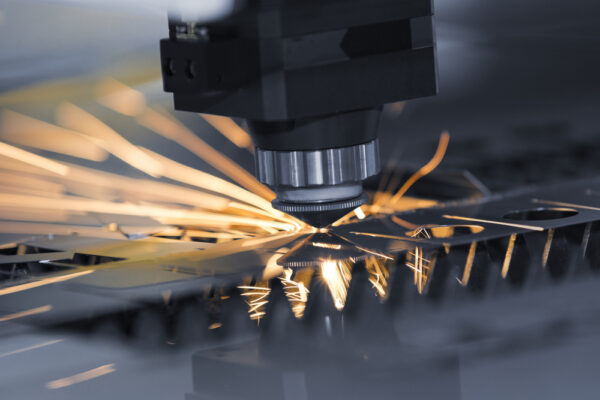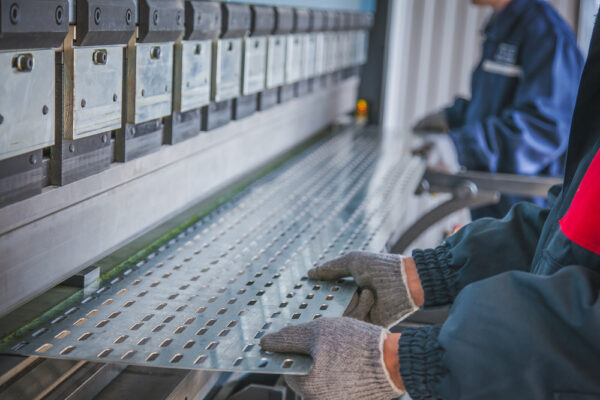
A Comprehensive Guide to Metal Fabrication Project Management in Melbourne

Metal fabrication project management is the cornerstone of any successful sheet metal operation, ensuring that complex fabrication tasks are completed efficiently, on time, and to exacting standards. In Melbourne’s competitive manufacturing sector, businesses that master project management can streamline processes, reduce material waste, and deliver superior results to clients. At the heart of this process lies the effective use of sheet metal machinery, from CNC presses to laser cutters, which requires careful planning, scheduling, and maintenance to avoid costly downtime. A well-managed project balances resources, monitors workflow, and anticipates risks before they impact production. For companies involved in custom fabrication or large-scale industrial projects, integrating maintenance schedules with project timelines not only safeguards machinery performance but also enhances overall productivity. This article explores the key strategies, tools, and best practices that drive successful metal fabrication project management, offering practical insights for Melbourne-based businesses aiming to optimise efficiency and quality.
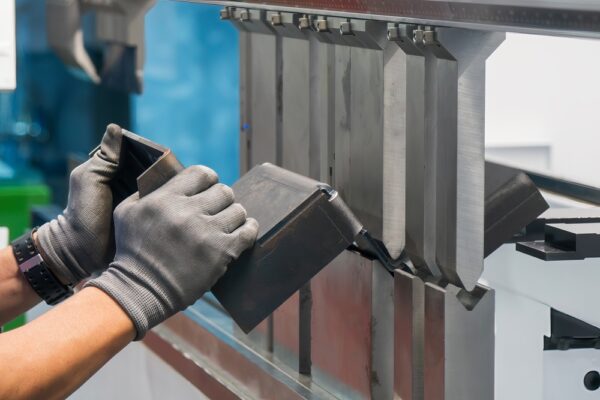
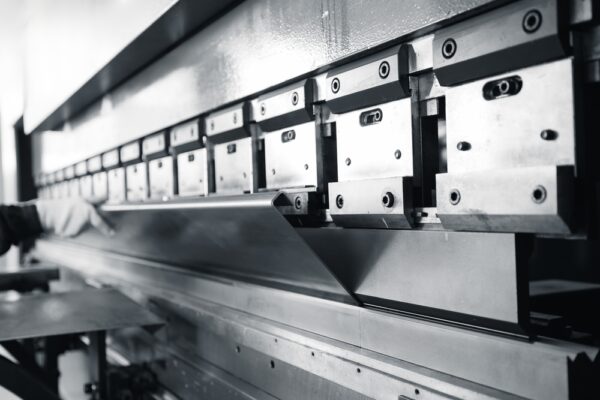
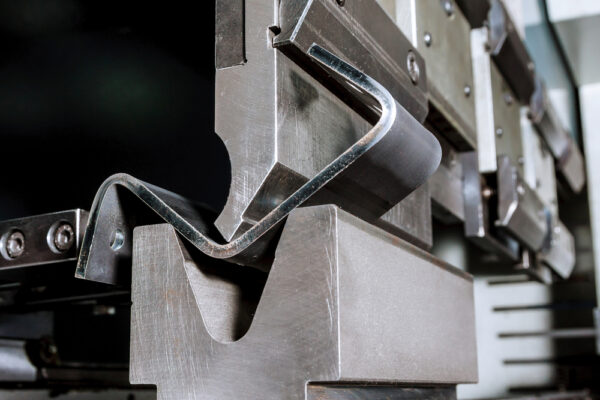
metal fabrication

Understanding Metal Fabrication Projects

Metal fabrication projects involve the transformation of raw metal into functional components or finished products, requiring a careful balance of planning, skill, and precision. In Melbourne, where sheet metal work supports industries from construction to manufacturing, understanding the workflow is critical for efficiency and quality. Fabrication processes typically include cutting, bending, welding, and finishing, each demanding specialised expertise and reliable machinery.

Project managers must pay close attention to design specifications, material types, and tolerance requirements, as even minor deviations can affect the final product. Advanced sheet metal machinery such as CNC machines, press brakes, and laser cutters play a central role in achieving consistent results. Effective project management ensures that these machines are scheduled correctly and maintained regularly to prevent costly downtime.

Resource coordination is essential for successful execution. This includes aligning skilled operators, managing inventory, and integrating machinery maintenance schedules into project timelines.

  • Accurate workflow planning reduces rework and minimises material waste.
  • Monitoring each stage of production helps maintain quality control.
  • Incorporating predictive maintenance enhances machinery lifespan and project efficiency.

By understanding the full scope of metal fabrication projects, businesses can streamline operations, meet client expectations, and deliver high-quality results consistently.

Key Phases of Metal Fabrication Project Management

Successfully managing a metal fabrication project requires a structured approach, ensuring that each stage is executed efficiently and meets quality standards. Breaking the process into distinct phases can help project managers across the country optimise workflow, allocate resources effectively, and reduce risks associated with machinery downtime or material errors.

Project Planning

The planning phase sets the foundation for the entire fabrication process. It involves defining the project scope, confirming design specifications, selecting appropriate materials, and establishing timelines. Detailed planning also includes scheduling the use of sheet metal machinery, such as CNC machines and press brakes, to ensure that each task is achievable within the allocated timeframe. Accurate planning minimises errors, reduces material waste, and ensures client expectations are clearly understood and achievable.

Resource Allocation

Resource allocation is critical to keeping projects on schedule and within budget. This phase involves coordinating skilled operators, managing the availability of sheet metal machinery, and ensuring raw materials are supplied at the right time. By integrating machinery maintenance schedules into project timelines, businesses can avoid unexpected downtime, enhance productivity, and extend the lifespan of expensive equipment. Effective resource allocation also considers the workflow sequence, balancing high-demand machinery across multiple tasks to prevent bottlenecks.

Execution and Workflow Management

During execution, tasks are carried out according to the plan, with careful monitoring of each stage. Workflow management involves tracking production stages, ensuring machines operate efficiently, and maintaining clear communication across teams. Modern project management software can assist by providing real-time updates, helping managers anticipate issues, and maintaining consistent quality control.

Quality Assurance

Quality assurance is embedded throughout every phase of the project. Inspecting fabricated components against specifications, checking tolerances, and conducting routine machine calibrations ensures that the final product meets client expectations. A robust quality control process not only safeguards reputation but also reduces rework and operational costs.

By following these phases, metal fabrication businesses can streamline operations, maximise machinery performance, and deliver superior results consistently.
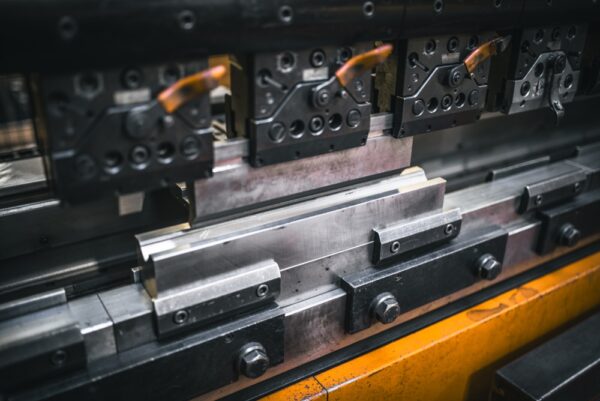
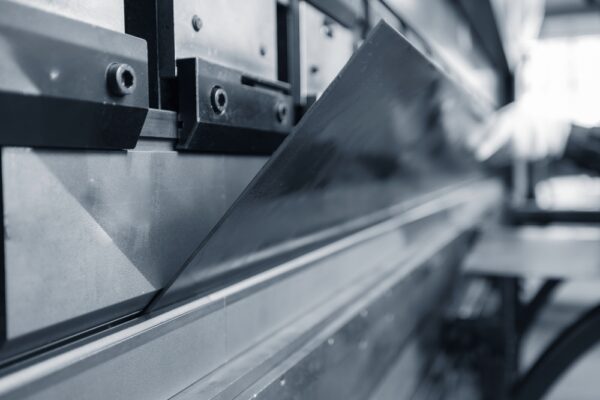
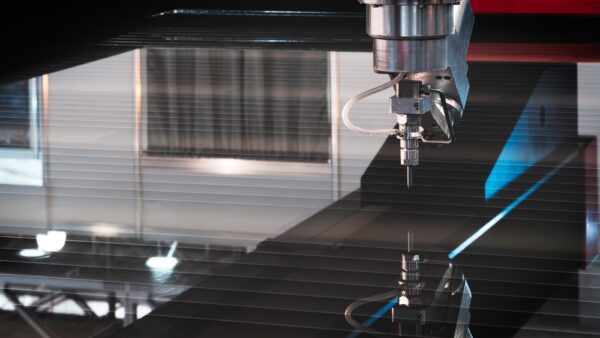
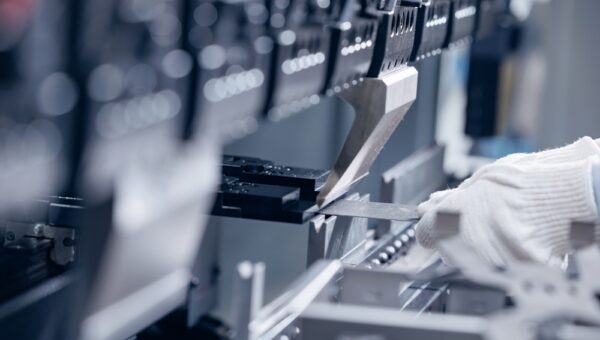
sheet metal machinery

Risk Management in Metal Fabrication

Effective risk management is essential in metal fabrication project management to safeguard both project timelines and machinery performance. Fabrication projects face several potential risks, including machine breakdowns, supply chain delays, human error, and unforeseen technical challenges. Proactively identifying these risks allows project managers to implement strategies that minimise disruptions and maintain smooth workflow.

Predictive maintenance plays a key role in reducing machinery-related risks. Regular servicing of sheet metal machinery helps prevent unexpected downtime, ensuring projects remain on schedule. Monitoring machine performance and scheduling repairs before failures occur also extends equipment lifespan and reduces operational costs.

Material management can be another area of concern. Delays in sourcing metal sheets or components can halt production, so project managers often maintain buffer stock or establish reliable supplier agreements. Additionally, implementing strict quality control protocols mitigates the risk of defective components entering the production line, which could otherwise lead to costly rework.

  • Identifying potential risks early ensures contingency plans can be developed.
  • Continuous monitoring and communication help teams respond promptly to issues.
  • Integrating maintenance schedules and workflow planning reduces the likelihood of downtime.

By addressing risks systematically, metal fabrication businesses can enhance efficiency, protect valuable machinery, and consistently deliver high-quality outcomes.

Technology & Digital Tools

In modern metal fabrication project management, technology plays a pivotal role in streamlining operations, optimising resources, and improving overall efficiency. Melbourne-based fabrication businesses increasingly rely on digital tools to coordinate complex workflows, track project progress, and ensure machinery operates at peak performance.

Project management software allows teams to schedule tasks, monitor deadlines, and assign responsibilities clearly, providing a central hub for communication and collaboration. By integrating these systems with sheet metal machinery, such as CNC machines, laser cutters, and press brakes, managers can synchronise production schedules with maintenance plans, reducing downtime and enhancing equipment utilisation.

Real-time data tracking also enables proactive decision-making. Operators and managers can monitor machine performance, track material usage, and detect potential issues before they escalate. Digital tools support quality control processes by recording inspections, tolerance checks, and fabrication logs, ensuring that each component meets client specifications.

  • Software dashboards offer visibility into every stage of the fabrication workflow, helping teams maintain efficiency.
  • Automated alerts for maintenance or workflow deviations minimise project delays.
  • Data analytics can identify recurring inefficiencies, allowing managers to refine processes continuously.

By leveraging technology and digital integration, metal fabrication businesses can achieve greater precision, reduce operational costs, and consistently deliver high-quality products on time.

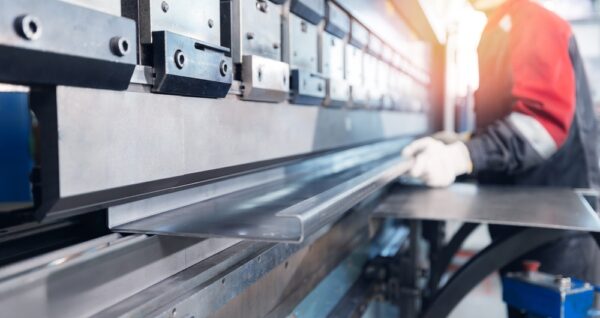
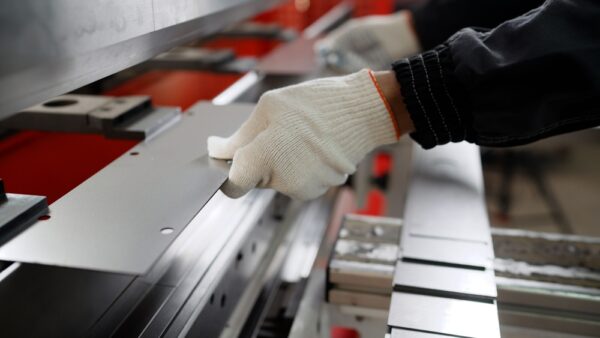
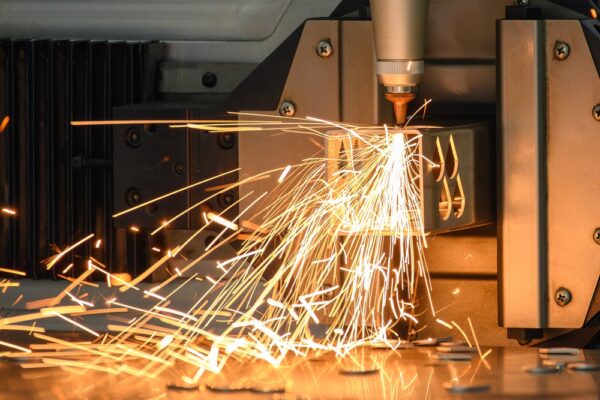
sheet metal workshop technician

Best Practices for Efficient Project Management

Implementing best practices in metal fabrication project management is essential for maintaining efficiency, reducing costs, and ensuring consistent quality. In Melbourne’s competitive fabrication sector, businesses that standardise procedures and optimise workflow gain a significant advantage.

One key practice is developing clear standard operating procedures (SOPs) for all tasks, from machine operation to material handling. SOPs help teams maintain consistency, reduce errors, and improve safety. Lean management principles can also be applied to minimise waste and streamline production stages, ensuring that sheet metal machinery operates at optimal capacity.

Effective communication across teams and with clients is another critical element. Regular updates, clear task assignments, and centralised documentation prevent misunderstandings and keep projects on track. Integrating maintenance schedules with project timelines ensures machinery remains reliable, reducing downtime and unexpected costs.

By following these best practices, businesses can enhance workflow, protect their equipment, and deliver high-quality results efficiently and consistently.

Looking for Sheet Metal Machinery Maintenance?

Look no further than ACRA Machinery for all your sheet metal machinery needs. We are proud to bring you 42 years of sheet metal expertise and are ready to help with sheet metal machinery sales, repair and maintenance.

Get in touch with ACRA by calling 03 9794 6675 or fill out our online contact form and we will get back to you.

Frequently Asked Questions

What is metal fabrication project management?

Metal fabrication project management involves planning, coordinating, and supervising all stages of a fabrication project. It ensures that design specifications, timelines, and budgets are met while maintaining high-quality standards for each component.

Why is machinery maintenance important in metal fabrication?

Regular maintenance prevents unexpected downtime, extends the lifespan of equipment, and ensures consistent production quality. For businesses using sheet metal machinery, maintenance is crucial to keep CNC machines, press brakes, and laser cutters operating efficiently.

How can businesses optimise fabrication workflow?

Optimising workflow involves effective resource allocation, standard operating procedures, lean management principles, and integrating maintenance schedules. Coordinating skilled operators with machinery schedules reduces downtime and ensures smooth project execution.

What are common risks in metal fabrication projects?

Typical risks include machine breakdowns, material shortages, human error, and quality control issues. Implementing predictive maintenance, thorough planning, and quality inspections helps mitigate these risks.

What skills are essential for a metal fabrication project manager?

Project managers need strong planning, communication, and organisational skills, as well as technical knowledge of sheet metal machinery and fabrication processes to coordinate teams and maintain quality standards effectively.

Metal Cutting Methods for Sheet Metal Machinery in Melbourne: Techniques, Tips and Maintenance

Metal cutting methods are at the heart of modern manufacturing, shaping raw materials into precise, functional components that drive industries across Australia. For businesses working with sheet metal machinery, understanding the full spectrum of cutting techniques is essential not only for productivity but also for extending the lifespan of valuable equipment. From traditional mechanical approaches like shearing and punching to high-tech solutions such as laser and water jet cutting, each method offers unique advantages depending on material type, thickness, and project requirements. Choosing the right technique can save time, reduce waste, and ensure cleaner, more accurate cuts. Equally important is the proper maintenance of sheet metal machinery, which keeps operations running smoothly and prevents costly downtime. Whether you’re fabricating intricate designs or handling heavy steel plates, a thorough grasp of metal cutting methods is key to achieving efficiency, precision, and long-term reliability in any workshop.

metal cutting methods

Mechanical Cutting Methods

Mechanical cutting methods form the foundation of sheet metal fabrication, relying on physical force to separate or shape metal. For workshops and manufacturers in Melbourne and across Australia, these techniques are often the most cost-effective and widely used, particularly for routine cutting tasks.

Shearing is one of the simplest and most efficient mechanical methods. It involves using straight blades to slice through sheet metal, producing clean edges with minimal material waste. Shearing is ideal for cutting large sheets quickly, though regular blade inspections are crucial to maintain accuracy and prevent uneven cuts.

Sawing offers a versatile alternative for cutting metals of varying thicknesses. Band saws and circular saws are commonly used, with CNC-controlled saws providing higher precision for complex shapes. Saw blades must be regularly checked and replaced to avoid wear, which can compromise both the quality of cuts and the performance of the machinery.

Punching and stamping are widely used in high-volume sheet metal operations. Punching employs a die and press to create holes or specific shapes in the metal, while stamping presses can form intricate patterns or embossing. CNC punching machines allow for consistent, repeatable results, but maintaining tooling is essential to prevent breakages and ensure worker safety.

For any sheet metal workshop, understanding these mechanical cutting methods is crucial. Not only do they offer reliable and cost-effective solutions for everyday cutting needs, but when paired with diligent maintenance, they also prolong the life of the sheet metal machinery, reduce downtime, and improve overall production efficiency.

Thermal Cutting Methods

Thermal cutting methods use heat to cut through metal, offering precision and speed that mechanical techniques sometimes cannot match. For sheet metal workshops in across the country, these methods are particularly useful when working with thicker metals or complex designs, as they can deliver clean edges with minimal physical force.

Oxy-fuel cutting is one of the oldest and most reliable thermal methods. It involves a flame that heats the metal to its ignition temperature, while a stream of oxygen burns through the material. Oxy-fuel cutting is ideal for heavy steel plates and structural components, providing deep, accurate cuts. Regular maintenance of torches, regulators, and gas supply lines is essential to ensure safety and consistent performance.

Plasma cutting has become a popular choice for medium-thickness metals, especially in high-speed or CNC-controlled operations. By generating a jet of ionised gas at extremely high temperatures, plasma cutters can slice through steel, aluminium, and other conductive metals with precision. Maintaining electrodes, nozzles, and machine calibration is critical to avoid uneven cuts or reduced efficiency.

Laser cutting represents the pinnacle of precision in thermal cutting. Using focused light beams, lasers can create intricate shapes and designs with minimal edge finishing required. This method is particularly beneficial for high-volume production or delicate, detailed work. Regular cleaning of lenses and mirrors, along with proper alignment, ensures the machinery continues to operate at peak performance.

For sheet metal operations, selecting the right thermal cutting method depends on material type, thickness, and production requirements. When combined with routine maintenance, thermal cutting techniques not only enhance productivity but also prolong the lifespan of sheet metal machinery, reduce waste, and maintain consistent quality across all projects.

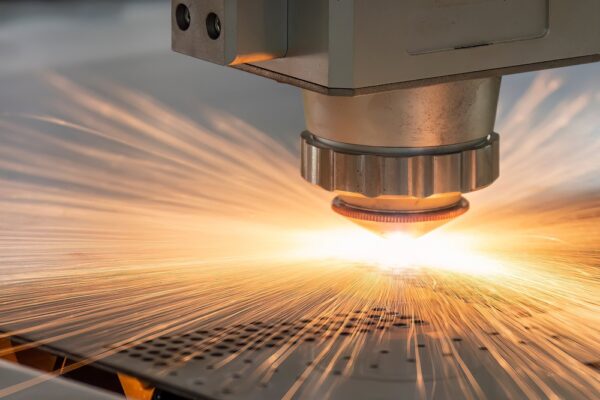
sheet metal laser cutting

Advanced Cutting Methods

For workshops seeking precision and versatility beyond traditional mechanical and thermal techniques, advanced cutting methods offer innovative solutions. These methods are particularly useful when handling heat-sensitive metals or intricate designs that demand minimal distortion.

Water jet cutting is a standout example, using a high-pressure stream of water, often mixed with abrasive materials, to cut through metal. Unlike thermal methods, water jet cutting generates no heat-affected zone, preserving the structural integrity of sensitive alloys and producing smooth, accurate edges. This makes it an excellent choice for metals that could warp or discolour under high temperatures. Regular maintenance of pumps, nozzles, and abrasive feed systems ensures consistent cutting quality.

Emerging technologies, including hybrid cutting methods that combine mechanical and thermal approaches or utilise advanced CNC automation, are gradually transforming metal fabrication. These innovations allow for increased flexibility, faster production times, and higher precision, while also reducing material waste.

For sheet metal machinery operators in Australia, understanding advanced cutting methods not only broadens the range of projects they can undertake but also highlights the importance of keeping machinery well-maintained. Proper care ensures that these sophisticated systems deliver optimal performance and long-term reliability.

Factors Affecting Choice of Cutting Method

Selecting the right metal cutting method involves more than just choosing between mechanical, thermal, or advanced techniques. For sheet metal machinery operators, owners, and businesses across the country, several key factors influence this decision.

Material type and thickness are primary considerations. Harder or thicker metals may require thermal or water jet cutting, while thinner sheets can often be handled efficiently with mechanical methods. Precision requirements also play a role; intricate designs or components with tight tolerances often benefit from laser or water jet cutting.

Production volume and speed are equally important. High-volume operations may rely on CNC punching or plasma cutting to maintain consistency and efficiency, while smaller, bespoke projects might use shearing or manual laser cutting.

Finally, equipment cost and maintenance requirements can determine the most practical option. Choosing a method that balances productivity, precision, and machinery longevity ensures smoother operations, lower downtime, and better long-term value for any workshop.

sheet metal machinery

Maintenance Tips for Cutting Machinery

Regular machinery maintenance is essential to keep sheet metal machinery operating efficiently and safely. For workshops in Melbourne, consistent care not only prolongs equipment lifespan but also ensures precision and reduces downtime.

Routine inspections should include checking blades, punches, and cutting tools for wear or damage. Dull or worn components can compromise cut quality and place unnecessary strain on machinery. Calibration of CNC systems, lasers, and plasma cutters ensures accuracy, while lubrication of moving parts minimises friction and mechanical wear.

Keeping machinery and workspaces clean is equally important. Dust, metal shavings, and debris can interfere with cutting performance or damage sensitive components. Scheduling preventative maintenance and adhering to manufacturer guidelines helps identify potential issues early, avoiding costly repairs or production delays.

For Melbourne workshops handling sheet metal, combining regular maintenance with proper operation practices guarantees that cutting machinery delivers consistent, high-quality results, project after project.

Do You Need Sheet Metal Machinery in Melbourne?

Understanding the range of metal cutting methods is essential for any sheet metal workshop in Melbourne. When you are looking for sheet metal machinery expertise, look no further than ACRA Machinery. We are backed by 42 years of industry experience and are ready to help with sheet metal machinery sales, repair and maintenance.

Get in touch with ACRA by calling 03 9794 6675 or fill out our online contact form and we will get back to you.

Frequently Asked Questions

How do I choose the right metal cutting method?

The choice depends on material type, thickness, precision requirements, and production volume. Mechanical methods suit thinner sheets, while thermal or water jet cutting is better for thicker or heat-sensitive metals.

What is the difference between mechanical and thermal cutting?

Mechanical cutting uses force to shear, saw, or punch metal, whereas thermal cutting melts or burns through the material using heat, such as in plasma, laser, or oxy-fuel cutting.

How often should sheet metal machinery be maintained?

Routine inspections, blade and tool replacements, calibration, and lubrication should be carried out regularly to ensure accuracy, safety, and longevity.

Can water jet cutting replace laser cutting?

Water jet cutting is ideal for heat-sensitive metals and thicker materials, while laser cutting offers greater precision for intricate designs.

What safety measures are essential for metal cutting?

Use protective gear, maintain clean workspaces, ensure correct tool setup, and adhere to machinery maintenance schedules to prevent accidents.

Can regular maintenance improve the lifespan of sheet metal machinery?

Yes, routine maintenance such as blade inspections, lubrication, and calibration helps prevent wear and breakdowns, ensuring cutting machinery remains precise, efficient, and long-lasting.

A Comprehensive Guide to Sheet Metal Bending Techniques

Sheet metal bending techniques are at the heart of modern fabrication; shaping flat sheets of metal into functional and precise components used across countless industries. Whether in automotive, aerospace, construction, or architectural design, bending processes determine the strength, durability, and accuracy of the final product. For Australian workshops, mastering these techniques is essential to staying competitive in a fast-paced market. Advances in sheet metal machinery, such as CNC press brakes and automated systems, have transformed traditional methods, delivering higher precision and efficiency while reducing waste. From simple bends to complex curves and channels, today’s technology allows fabricators to achieve results that were once difficult to produce with consistency. This month we explore the fundamentals of bending, the different methods available, and the role of modern automation in shaping the future of Australian metalworking.

Fundamentals of Sheet Metal Bending

At its core, sheet metal bending is the process of applying force to a flat sheet so that it takes on a specific angle, curve, or shape without breaking or damaging the material. The success of any bend depends on the balance between tensile strength, compressive forces, and the ductility of the chosen alloy. These physical properties determine how the sheet behaves when manipulated under pressure.

Bending is influenced by several factors, including the thickness of the sheet, the type of metal, and the tooling used in the operation. For instance, aluminium requires different handling compared to steel, and each material has its own spring-back characteristics that must be compensated for during production.

Understanding the fundamentals also involves recognising common terms such as bend allowance, bend radius, and neutral axis. These calculations ensure precision, allowing workshops to consistently deliver components that fit seamlessly into larger assemblies across industries like automotive, construction, and electronics.

By grasping these essential principles, fabricators can choose the right method, minimise material waste, and optimise production quality, ensuring their processes remain efficient and cost-effective in an increasingly competitive manufacturing environment.

Common Sheet Metal Bending Techniques

Sheet metal bending can be carried out using a variety of techniques, each suited to different production requirements and levels of precision. The most widely used approach is air bending, where the punch presses the sheet into a die but does not make full contact, allowing for flexibility in creating multiple angles with the same tooling. This technique is popular in workshops across Australia because it minimises tool changes and reduces costs.

Another frequently applied method is bottoming, where the sheet is pressed firmly into the die. This produces more accurate angles than air bending but requires precise tooling and a greater understanding of the metal’s behaviour. Coining, a more forceful method, compresses the sheet to achieve exact angles with minimal spring-back. Though highly accurate, it demands greater energy input and can wear machinery faster if not maintained properly.

For complex shapes, roll bending is often used, particularly for producing large radii or cylindrical forms. In contrast, wipe bending is ideal for creating flanges or edges, commonly used in enclosures, brackets, and frames.

Each of these bending techniques has its own strengths and limitations, and fabricators must consider material properties, machine capacity, and the desired final geometry.

sheet metal bending factory

Role of Technology in Modern Bending

Advancements in technology have transformed how workshops approach sheet metal bending, making the process more precise, efficient, and adaptable. In the past, bending relied heavily on operator skill and manual control, but today’s machinery integrates sophisticated systems that automate much of the process. This shift has not only improved accuracy but also reduced material wastage and production time.

Modern CNC press brakes are a prime example of how technology supports metal fabrication. These machines use computer numerical control to guide every movement of the punch and die, ensuring consistent results across high-volume runs. With programmable settings, fabricators can quickly adjust angles, tooling, and sequences, making it possible to handle a wide variety of materials and thicknesses.

Another innovation is the use of simulation software, which allows operators to model a bend before it is performed. This predictive capability minimises errors, reduces trial-and-error adjustments, and ensures the final product meets design specifications. Integrated sensors and real-time monitoring also play a role by detecting deviations during the process and making immediate corrections.

For Australian manufacturers competing in industries such as aerospace, construction, and renewable energy, adopting advanced bending technology means achieving tighter tolerances, faster turnaround times, and greater adaptability to client demands. The integration of automation and digital control ensures that even complex geometries can be produced reliably, setting a new benchmark for precision in modern sheet metal fabrication.

Material Considerations in Bending

The choice of material plays a decisive role in the success of sheet metal bending, as each metal responds differently to applied stress and tooling pressure. Factors such as ductility, tensile strength, and thickness must be considered to avoid defects like cracking, warping, or excessive spring-back.

For instance, aluminium is widely used because it is lightweight and malleable, making it easier to form. However, it is prone to spring-back, which requires precise calculation of bend allowances. Steel, on the other hand, offers superior strength but demands higher tonnage during bending operations. Stainless steel is particularly challenging due to its resistance to deformation, while copper and brass are more forgiving and suitable for intricate shapes.

The thickness of the sheet also determines which technique and tooling are most appropriate. Thicker materials often require more robust machinery and larger bend radii to prevent material failure. Surface treatments, such as galvanising or coating, can further impact bending behaviour by altering friction levels and surface hardness.

Tools and Equipment Used in Bending

The success of any sheet metal bending project relies heavily on the tools and equipment selected for the job. Precision and efficiency are achieved when the right machinery, dies, and punches are paired with the correct technique and material. In modern workshops, press brakes are the most commonly used machines, providing controlled force to shape metal sheets into accurate angles and curves. These machines range from manual to CNC-operated systems, with automated options delivering superior accuracy and repeatability.

Tooling is equally critical in achieving consistent results. The punch, which applies downward force, and the die, which supports and shapes the sheet, come in various profiles designed for specific bends. V-dies, U-dies, and specialised radius tools all serve unique functions depending on the desired geometry. Choosing the right die width in relation to the sheet thickness ensures clean bends and reduces the risk of cracking or excessive wear.

Additional equipment, such as back gauges and clamping systems, enhances accuracy by positioning the sheet consistently throughout production. In Australian workshops, investment in high-quality sheet metal machinery and tooling not only extends the lifespan of equipment but also boosts productivity, enabling fabricators to handle complex projects with confidence and precision.

sheet metal machinery

Common Challenges and How to Overcome Them

Despite advancements in machinery and tooling, sheet metal bending still presents challenges that fabricators must manage to ensure quality outcomes. One of the most frequent issues is spring-back, where the metal partially returns to its original shape after bending. This can be addressed by adjusting bend allowances or using methods such as bottoming or coining to lock the angle more precisely.

Another challenge is material cracking, particularly in harder metals or when the bend radius is too tight. Selecting appropriate tooling, ensuring correct grain direction, and choosing materials with higher ductility can help reduce the risk of fractures.

Misalignment and inconsistent bends are also common in busy workshops. These problems are often solved through accurate calibration of sheet metal machinery and the use of back gauges or digital controls. By proactively addressing these challenges, Australian fabricators can maintain high standards of precision while reducing costly rework and material wastage.

Applications of Sheet Metal Bending in Industry

Sheet metal bending plays a vital role in a wide range of industries across Australia, providing the backbone for products that demand durability, precision, and efficiency. In the construction sector, bent components are used for roofing, cladding, framing, and ductwork, where accurate shaping ensures both structural integrity and visual appeal.

In the automotive industry, bending techniques are essential for creating chassis parts, brackets, and panels that must meet strict safety and performance standards. Similarly, in aerospace and defence, precision bending supports the manufacture of lightweight yet strong components that can withstand extreme conditions.

Electronics and appliance manufacturers also rely on bending processes for enclosures, casings, and brackets, where exact tolerances are critical for assembly. By combining the right sheet metal machinery with advanced bending methods, Australian workshops are able to serve diverse markets, delivering components that are both functional and cost-effective.

process bending sheet metal on hydraulic

Do You Need Sheet Metal Machinery in Melbourne?

Look no further than ACRA Machinery for your sheet metal needs. Backed by 42 years of industry experience, we are ready to help with sheet metal machinery sales, repair and maintenance.

Get in touch with us by calling 03 9794 6675 or fill out our online contact form and we will get back to you.

FAQ: Sheet Metal Bending Techniques

What are the most common sheet metal bending techniques?

The most widely used techniques include air bending, bottoming, and coining. Advanced methods like roll bending, wipe bending, and U-bending are also common for producing curves, channels, and complex shapes.

How can I reduce spring-back in sheet metal bending?

Spring-back can be minimised by selecting the right tooling, adjusting bend allowances, and using techniques such as bottoming or coining. CNC-controlled machinery also improves precision and consistency.

Which industries rely most on sheet metal bending in Australia?

Industries such as automotive, aerospace, construction, architecture, and electronics depend heavily on bending processes to produce precise, durable components.

What tools are essential for effective sheet metal bending?

Press brakes, punches, dies, back gauges, and clamping systems are fundamental. High-quality sheet metal machinery ensures consistent bends and reduces material waste.

Is automation necessary for modern bending operations?

While manual bending is still used, automated CNC press brakes and robotic systems offer superior accuracy, repeatability, and efficiency, especially for high-volume or complex projects in Australian workshops.

A Complete Guide to Automated Sheet Metal Fabrication

Automated sheet metal fabrication is transforming the way Australian workshops approach precision metalworking. Gone are the days when sheet metal machinery operators relied solely on manual presses, hammers, and hand tools to shape and form components. Today, advanced machinery equipped with CNC technology, robotic arms, and laser cutting systems is enabling manufacturers across Melbourne and beyond to produce high-quality parts faster, more consistently, and with less waste. For workshops facing increasing demand, tight deadlines, and the need for flawless accuracy, automation isn’t just a convenience, it’s a competitive necessity. Beyond speed and efficiency, automated systems offer enhanced repeatability, minimise errors, and ensure compliance with industry standards. In a market where precision matters, investing in modern fabrication technology allows businesses to stay ahead of the curve, expand capabilities, and meet client expectations without compromise.

sheet metal machinery

Understanding Automated Sheet Metal Fabrication

Automated sheet metal fabrication refers to the use of computer-controlled machinery and robotic systems to cut, bend, punch, and assemble sheet metal components with minimal human intervention. Unlike traditional manual methods, automation integrates CNC technology, precision laser cutting, and robotic arms to deliver consistent, high-quality results. This modern approach reduces the risk of errors, increases repeatability, and streamlines production processes for manufacturers across Australia.

The core technologies involved in automated fabrication include CNC press brakes, laser cutters, and turret punches. These machines are often paired with advanced software, such as CAD and CAM systems, which allow designers to create complex parts digitally before sending precise instructions to the machinery. In addition to hardware and software, automated workflows often incorporate sensors, conveyors, and automated material handling systems to further enhance efficiency and reduce operator fatigue.

Workshops adopting automation can produce intricate architectural components, automotive parts, and industrial machinery with remarkable accuracy. Over time, these systems not only improve output but also reduce material waste and maintenance costs. For Australian manufacturers, investing in automated sheet metal fabrication provides a competitive edge, enabling businesses to meet tighter deadlines and maintain consistent quality across all production runs.

Key Benefits of Automation in Sheet Metal Fabrication

Investing in automated sheet metal fabrication brings significant advantages to modern workshops, particularly for manufacturers in Melbourne and across Australia. These systems are designed to enhance precision, improve productivity, and reduce operational costs, all while maintaining consistent quality. Automation allows workshops to achieve results that would be challenging or impossible with traditional manual methods.

Enhanced Precision and Accuracy

One of the most important benefits is improved precision. CNC-controlled machines and laser cutters ensure every cut, bend, or punch aligns perfectly with design specifications. This reduces the risk of human error and minimises material waste, which is particularly critical in industries like aerospace, automotive, and architectural metalwork. Precision metalworking also supports compliance with Australian standards, helping businesses maintain quality assurance and client trust.

fibre laser cutting machine

Increased Productivity and Efficiency

Automated machinery significantly boosts production speed by operating continuously and performing repetitive tasks more efficiently than manual methods. Modern systems can handle complex shapes, high-volume production runs, and intricate components with minimal intervention, allowing operators to focus on other aspects of manufacturing.

Cost Savings and Return on Investment

Although the upfront investment can be substantial, automation reduces long-term costs. Less material waste, fewer errors, and lower labour requirements contribute to a strong return on investment. For Australian workshops, the combination of improved efficiency, repeatable quality, and reduced downtime makes automated sheet metal fabrication a smart, strategic choice for sustainable growth and competitiveness.

Technologies Driving Automated Fabrication

Modern automated sheet metal fabrication relies on a combination of advanced machinery, software, and robotic systems to deliver high-quality, precise results. These technologies enable Australian workshops to produce complex components efficiently while maintaining strict tolerances and consistency. Understanding the key technologies involved can help businesses make informed decisions when upgrading or expanding their facilities.

CNC Machines

CNC, or Computer Numerical Control, machines form the backbone of automated metalworking. CNC press brakes, laser cutters, and turret punches are programmed with precise instructions to execute accurate cuts, bends, and holes. By integrating CAD and CAM software, operators can design components digitally and transfer them directly to the machinery, reducing errors and improving workflow efficiency.

Robotics and Automation

Robotic arms and automated material handling systems play a critical role in enhancing productivity. These systems can load, position, and manipulate sheet metal with consistent precision, reducing the reliance on manual labour and minimising the risk of damage or injury. Automated conveyors and feeders further streamline the production line, ensuring continuous operation.

Advanced Software Integration

Software solutions, including CAD/CAM, simulation tools, and monitoring systems, allow workshops to optimise processes and manage production data. Predictive maintenance and real-time diagnostics help identify potential issues before they disrupt operations, ensuring machinery runs at peak performance.

Applications Across Industries

Automated sheet metal fabrication has transformed manufacturing across a wide range of industries in Australia. Its precision, speed, and repeatability make it ideal for producing complex components that require tight tolerances and consistent quality. Australian workshops, particularly in Melbourne and Victoria’s industrial hubs, are leveraging these technologies to meet increasing demand for high-quality, reliable products.

In the automotive sector, automated systems are used to fabricate body panels, chassis components, and custom parts with minimal errors. The ability to produce consistent components at scale has helped local manufacturers remain competitive in both domestic and international markets.

The aerospace industry benefits from automation due to the strict precision requirements for aircraft components. CNC machines, laser cutters, and robotic systems enable workshops to create intricate parts that meet rigorous safety and quality standards.

Other sectors such as construction, industrial machinery, and architectural metalwork also rely heavily on automated fabrication. From cladding panels to industrial enclosures and specialised machinery parts, these technologies allow manufacturers to deliver complex designs efficiently.

Challenges and Considerations

While automated sheet metal fabrication offers numerous benefits, it is not without challenges. Australian workshops considering investment in these technologies must carefully evaluate costs, workforce skills, and integration requirements before committing to new machinery. Understanding these considerations helps ensure a smooth transition and maximises the return on investment.

High Initial Investment

One of the primary challenges is the upfront cost of purchasing advanced machinery. CNC machines, laser cutters, and robotic systems require significant capital, which may be a barrier for smaller workshops. However, this investment often pays off in the long term through reduced labour costs, lower material waste, and higher productivity.

Workforce Training

Automation demands a skilled workforce capable of operating, programming, and maintaining sophisticated equipment. Australian manufacturers must provide comprehensive training to ensure staff can use machines effectively and safely, avoiding downtime and errors.

Integration and Maintenance

Integrating automated systems into existing production lines can be complex. Workshops need to consider workflow optimisation, software compatibility, and ongoing preventative maintenance. Regular servicing and calibration are essential to maintain precision and extend machinery lifespan.

Future Trends in Automated Sheet Metal Fabrication

The future of automated sheet metal fabrication is being shaped by advancements in technology, connectivity, and sustainability. Australian workshops are increasingly adopting smart manufacturing practices, integrating artificial intelligence, IoT-enabled machinery, and data analytics to improve production efficiency and precision. These innovations allow manufacturers to monitor machine performance in real time, predict maintenance needs, and reduce unplanned downtime.

Choosing the Right Automated Solutions for Your Workshop

Selecting the right automated sheet metal fabrication equipment is a critical decision for any Australian workshop. The ideal solution balances production requirements, precision, and budget while supporting long-term business growth. Understanding your specific needs ensures that investments in CNC machines, laser cutters, or robotic systems deliver maximum efficiency and return on investment.

fibre laser cutting machine

Key Considerations

Workshops should evaluate factors such as production volume, material types, and the complexity of parts being manufactured. Compatibility with existing software, ease of integration into current workflows, and ongoing maintenance requirements are also crucial considerations.

Partnering with a local supplier in Melbourne or Victoria can provide significant advantages, including personalised support, faster access to spare parts, and on-site service. A trusted supplier can guide workshops through machinery selection, installation, and training, ensuring that the automated solutions chosen enhance precision, productivity, and operational efficiency from day one.

Do You Need Sheet Metal Machinery?

If you are looking for sheet metal machinery and are ready to upgrade, look no further than ACRA Machinery. Backed by over 40 years of industry experience, we are here to help with all of your sheet metal needs, including sales, repair, and maintenance.

Get in touch with us by calling 03 9794 6675 or fill out our online contact form and we will get back to you.

FAQ: Automated Sheet Metal Fabrication

What is automated sheet metal fabrication?

Automated sheet metal fabrication is the process of using computer-controlled machinery, such as CNC machines and robotic systems, to cut, bend, punch, and assemble sheet metal components with minimal human intervention. This method improves accuracy, efficiency, and consistency across production runs.

How does automation improve precision and efficiency?

Automation ensures components are manufactured to exact specifications by reducing human error. CNC programming, laser cutting, and robotic handling allow workshops to produce complex designs faster, with less material waste and consistent quality.

Which industries benefit most from automated sheet metal machinery?

Industries such as automotive, aerospace, construction, industrial machinery, and architectural fabrication see the greatest advantages. Any sector requiring high-precision components and repeatable results can benefit from automation.

How often should automated machines be serviced or calibrated?

Regular servicing and calibration are essential to maintain accuracy and extend equipment lifespan. Many workshops schedule full calibration annually, with basic checks more frequently, depending on machine usage and production demands.

Why Regular Machine Calibration Matters for Precision Metalworking

In the world of metal fabrication and manufacturing, accuracy isn’t a luxury – it’s a necessity. Whether it’s a large-scale structural component or a finely detailed sheet metal part, even a fraction of a millimetre out of alignment can render a job unusable or unsafe. That’s where machine calibration becomes crucial. For manufacturers and metalworking workshops across Melbourne and Australia, regular calibration of equipment is key to maintaining product quality, operator safety, and business efficiency. Yet it’s a step that’s often overlooked until costly errors start stacking up. This month, we explore why machine calibration matters, how often it should be done, and what benefits this offers to sheet metal machinery workshops.

What Is Machine Calibration?

Machine calibration is the process of checking and adjusting your machinery so that it performs according to the manufacturer’s original specifications. Over time, due to regular use, vibrations, environmental conditions, or even minor collisions, machinery can fall out of alignment. Calibration ensures that essential components like cutting tools, press brakes, laser heads, or CNC positioning systems operate with maximum precision.

Why Calibration Matters in Metalworking

  1. Precision and Accuracy

When dealing with metals, minor inaccuracies can cause big problems. A CNC turret punch that’s just slightly off-target can produce faulty parts, waste material, and delay production. A press brake with inconsistent back gauge alignment might cause uneven bends that compromise structural integrity or aesthetic appeal.

Precision is especially vital in industries like:

  • Aerospace and defence, where components must meet strict tolerance requirements
  • Construction and infrastructure, where fittings and frames need to align perfectly
  • Automotive and transport, where high volumes of parts must be consistently reliable

If you’re working in any of these sectors, calibrated machinery isn’t optional – it’s essential.

  1. Consistency Across Production Runs

Even if a machine produces accurate parts on day one, that doesn’t mean it will still be accurate weeks or months later. Small changes in machine alignment can cause gradual deviations, which may go unnoticed until they cause major inconsistencies across a production batch.

Regular calibration ensures that every part you produce meets the same high-quality standards, no matter when or how many times it’s made. That kind of consistency is what sets professional workshops apart, particularly in competitive markets like Melbourne and regional manufacturing hubs across Victoria.

  1. Cost Efficiency and Waste Reduction

Running machinery that’s out of alignment or not correctly calibrated can lead to increased material waste and rework. Sheets may need to be recut, components refabricated, or finished goods discarded. That’s not only expensive, but it’s also inefficient and time-consuming.

Machine calibration helps prevent these problems at the source by catching potential errors before they snowball into bigger issues. It ensures optimal machine performance, reduces downtime, and helps you get the most value out of every sheet of metal.

  1. Improved Machine Longevity

Machines that are misaligned or operating under strain tend to wear out faster. Bearings, gears, hydraulics, and tooling all experience additional stress when machines aren’t calibrated properly. Over time, this can lead to premature failure or the need for more frequent servicing.

Regular calibration, paired with a preventative maintenance schedule, helps extend the life of your equipment. It reduces wear and tear on key components and allows you to get more return on your capital investment, whether you’re running high-end CNCs or basic press brakes.

  1. Compliance with Industry Standards

In Australia, many industries are governed by strict quality control standards, including ISO 9001 for manufacturing quality management and AS/NZS safety regulations. Failing to meet these benchmarks can cost you contracts, reputation, and even legal compliance.

Calibration records form a critical part of your quality assurance system. Being able to demonstrate that your machinery is routinely checked and adjusted according to the appropriate tolerances helps you stay compliant and audit-ready.

This is particularly important for businesses seeking to win government tenders or partner with large commercial clients.

How Often Should You Calibrate Your Machinery?

There’s no one-size-fits-all answer, as calibration frequency depends on several factors:

  • Type of machine: More complex machines, like CNC routers or laser cutters, may require more frequent calibration than simpler mechanical systems.
  • Frequency of use: Heavily used machines will need more regular attention.
  • Material processed: Thicker or harder metals can put more strain on machines, increasing the risk of misalignment.
  • Operating environment: Dust, heat, and vibration (common in many Australian workshops) can all contribute to calibration drift.
  • Manufacturer’s recommendations: Always check the guidelines for your specific model.

As a general rule, many experts recommend a full calibration every 6 to 12 months, with basic checks performed more frequently. If your business operates under ISO certification, your calibration schedule may also need to align with audit requirements.

Do You Need Sheet Metal Machinery Repair and Maintenance?

If your business has outgrown its machinery and you are ready to upgrade, look no further than ACRA Machinery. Backed by 42 years of industry experience, we are here to help with all of your sheet metal machinery needs, including sales, repair, and maintenance.

Get in touch with us by calling 03 9794 6674 or fill out our online contact form and we will get back to you.

Green Machines: Sustainable Practices in Sheet Metal Machinery

Given that sheet metal machinery is the backbone of many industries in Australia, and the fact that our world increasingly embraces sustainability, it’s no surprise that the sheet metal industry is too. This month’s article will explore the innovative and environmentally-friendly practices that are transforming the landscape of sheet metal machinery, and contributing to a more sustainable future for our natural world. We dive into these sustainable practices, exploring the benefits of eco-friendliness in the sheet metal industry, so that you can be more informed about sustainability when it comes to your sheet metal machinery.

sheet metal machinery

The Call for Sustainability

The need for sustainability in manufacturing is clear, and is driven by regulatory pressures, environmental concerns, and an evolving consumer mindset. Sheet metal fabrication can be traditionally perceived as an energy-intensive industry; however, it is actually undergoing a green and sustainable revolution. Manufacturers are increasingly realising the need to adopt eco-friendly practices, and this shift is significantly impacting the design, operation, and maintenance of sheet metal machinery.

1: Material Selection and Recycling

One of the foundational steps towards sustainability in the sheet metal industry is the careful selection of materials. Beyond choosing the right metal material for the right job, manufacturers are increasingly opting for recycled and eco-friendly materials. Recycled steel, aluminium, and other metals not only reduce the demand for raw materials, but also curtail the environmental impact associated with extraction and processing.

In addition, when sheet metal workshops have efficient recycling programs, this helps to manage and repurpose scrap metal generated through the fabrication process. This represents a closed-loop recycling program, and minimises waste, conserves metal resources, and promotes a circular economy within the sheet metal industry.

2: Energy Efficient Machinery

When it comes to sustainability, sheet metal manufacturers can also consider investing in energy-efficient machinery. Modern machines come equipped with advanced technologies such as variable frequency drives, which optimise energy consumption. These machines can adjust power usage based on the specific requirements of each operation, reducing energy waste and overall carbon footprint.

3: Lean Manufacturing Principles

Embracing lean manufacturing principles is another way that sheet metal workshops are achieving sustainability. By minimising waste, reducing unnecessary movements, and streamlining workflows, lean practices enhance overall efficiency while also reducing environmental impact. The principles of lean manufacturing can therefore optimise machinery utilisation and benefit workshops in this way, they also provide the significant advantage of conserving resources and contributing to sustainability.

4: Water-Based Cutting Technologies

Traditionally, cutting sheet metal involves the use of oil-based lubricants and coolants. However, these substances do have environmental repercussions, which have led to the development of water-based cutting technologies. High-pressure water jets, for example, can cut through sheet metal with precision, using water mixed with abrasives. This eliminates the need for the oils that can be harmful for the environment, and thus contributes to more sustainable fabrication processes.

5: Digitalisation and Smart Manufacturing

We are in the era of smart manufacturing, and the digitalisation and smart technologies are transforming sheet metal machinery into intelligent and interconnected systems. These advancements allow for real-time monitoring, predictive maintenance, and data-driven decision-making. By harnessing data analytics, manufacturers can optimise processes, detect possible inefficiencies, and minimise machinery downtime. The result is a more sustainable operation which maximises the lifespan of machinery , reduces energy consumption, and enhances overall productivity.

6: Eco-Friendly Coatings and Finishes

Beyond the fabrication process itself, sustainable practices can also extend to the finishing touches applied to sheet metal products. Eco-friendly coatings, such as powder coatings, are popular because they have a low environmental impact. Coatings such as this are free from volatile organic compounds (VOCs) and hazardous air pollutants, which makes them a greener alternative to traditional paints.

7: End-of-Life Considerations

Sustainability in the sheet metal machinery industry extends beyond the fabrication and production phase. Manufacturers are increasingly mindful of end-of-life considerations for their products. For instance, designing products with disassembly and recycling in mind ensures that sheet metal products and materials can be reclaimed and reused.

In addition, some manufacturers are exploring innovative ways to repurpose old sheet metal machinery. Whether through refurbishment for continued use, or transforming components into new products, these practices also contribute to the circular economy, and a sustainable approach to the lifespan and life cycle of machinery.

Do You Need Sheet Metal Machinery?

If your workshop needs sheet metal machinery, look no further than ACRA Machinery. We are passionate about sustainability in sheet metal workshops, about sheet metal machinery, and we can help with your machinery needs. With 42 years of experience in the industry, we pride ourselves on being the experts in sheet metal machinery sales, maintenance, and repair.

If you need help with your machinery, call us at 03 9794 6675, or fill out our online contact form, and we will be happy to help with your enquiry.

10 Ways to Optimise Sheet Metal Machinery for Maximum Efficiency

In the dynamic landscape of fabrication, achieving maximum efficiency isn’t just a goal; it’s a strategic imperative. This month, we go on a journey into the intricacies of sheet metal machinery, exploring strategies to elevate your operations to new heights of effectiveness. From mastering the art of sheet metal machinery repair and maintenance to embracing cutting-edge technologies like CNC, we delve into the core principles that unlock the full potential of your machinery. Whether you’re a seasoned professional seeking to fine-tune your processes or a newcomer eager to unlock the secrets of sheet metal efficiency, this article is your guide to a future where every cut, bend, and form is executed with precision and purpose.

sheet metal machinery repair

1.     Regular Maintenance is Key

The first rule of optimisation is to keep your machinery in top-notch condition. Regular maintenance is the cornerstone of efficient operations. Create a comprehensive maintenance schedule that includes routine checks, lubrication, and inspections. Pay special attention to cutting tools, blades, and any moving parts. A well-maintained machine is a reliable one.

2.     Invest in Training for Operators

Your machinery is only as effective as the people operating it. Invest in training programs for your operators to ensure they understand the nuances of the equipment and its capabilities. Well-trained operators are more likely to use the machinery efficiently, resulting in better output and reduced chances of errors or accidents.

3.     Utilise CNC Technology

Incorporating CNC (Computer Numerical Control) technology into your sheet metal machinery can revolutionise your operations. CNC machines provide precision and automation, allowing for faster and more accurate cuts, bends, and formations. This not only enhances the quality of your products but also significantly boosts productivity.

4.     Optimise Material Utilisation

Waste is the enemy of efficiency. Implement strategies to optimise material utilisation. This includes careful planning of cuts and layouts to minimise scrap, utilising nesting software for maximum efficiency, and exploring ways to repurpose or recycle waste materials.

5.     Implement Lean Manufacturing Principles

Lean manufacturing focuses on minimising waste and maximising value. Apply these principles to your sheet metal operations by streamlining workflows, reducing unnecessary movements, and eliminating bottlenecks. This approach can lead to a more efficient and cost-effective production process.

6.     Invest in High-Quality Tooling

The quality of your tools directly impacts the efficiency of your operations. Invest in high-quality cutting tools, dies, and punches. While the initial cost might be higher, the longevity and performance of premium tooling can result in long-term cost savings and improved efficiency.

7.     Optimise Workflow Layout

The layout of your workshop can significantly impact the efficiency of your operations. Arrange machinery and workstations in a logical sequence to minimise material movement and reduce the time it takes to complete a job. Consider factors such as material flow, accessibility, and proximity to support tools and equipment.

8.     Embrace Digitalisation and Integration

In the era of industry, digitalisation is a game-changer. Explore software solutions that integrate with your sheet metal machinery. This can include production scheduling software, inventory management systems, and real-time monitoring tools. A connected system allows for better decision-making, improved coordination, and enhanced overall efficiency.

9.     Continuous Improvement Culture

Foster a culture of continuous improvement within your team. Encourage feedback from operators and seek innovative solutions to challenges. Regularly review and refine your processes based on performance data and employee input. An organisation committed to continuous improvement is better equipped to adapt to changing demands and stay ahead in a competitive market.

10. Sheet Metal Machinery Repair

The importance of machinery repair cannot be overstated. A well-maintained and promptly repaired sheet metal machine is essential to operational efficiency. Regular maintenance not only ensures the longevity of the equipment but also safeguards against unexpected breakdowns, minimising downtime. Efficient repairs, whether addressing minor issues or significant malfunctions, guarantee that the machinery operates at peak performance, delivering precise cuts and bends. Swift attention to repairs prevents the escalation of problems, preserving the integrity of the entire production process. In the competitive landscape of sheet metal fabrication, where precision and speed are paramount, investing in timely machinery repair isn’t just a cost-saving measure it’s an essential component of an efficient workshop.

Do You Need Repairs for Your Sheet Metal Machinery?

When you need sheet metal machinery repair, don’t look any further than ACRA Machinery. We are experts in the sheet metal industry, and we can provide you with the best expertise in machinery repair and maintenance, alongside exceptional customer service. In addition, we are backed by 42 years of industry experience, which means that we can help with all of your sheet metal machinery needs.

Whether you need sales, repair, or maintenance, discover how we can help with your sheet metal machinery. Contact us at 03 9794 6675, or fill out our online contact form.


Exploring Sheet Metal Fabrication Techniques

Sheet metal fabrication is a dynamic and versatile process carried out by trained professionals, and as such, there is a lot to learn and know about it as a beginner. This industry is one that requires a precise balance of artistry and engineering skills that blend to allow the crafting and creation of metal products from architectural components to simple objects that we use every day. There are four main areas of fabrication, and we will discuss each of them in this article designed to help beginners familiarise themselves with sheet metal, and the various fabrication techniques. From cutting and forming techniques to joining and finishing techniques, these processes are integral to many industries. Keep reading to find out the ways that sheet metal can be transformed in order to use it for many different applications and functions. Then, you discover who to contact when you need professional sheet metal machinery.

sheet metal machinery fabrication

Cutting Techniques:

  • Shearing: This is a cutting technique that utilises shears to cut straight lines into sheet metal. It is best used to create basic shapes or outlines.
  • Laser Cutting: Laser Cutting involves using a high-powered laser to burn or melt the metal along a predetermined path. Because this method is highly precise and efficient, laser cutting can create intricate designs, and the bonus is that there is likely to be minimal waste.
  • Plasma Cutting: This cutting technique uses a high-velocity jet of ionised gas, also known as plasma, to cut through sheet metal by melting it. Plasma cutting is an efficient and quick method of cutting through thicker sheet metal in particular.
  • Waterjet Cutting: Waterjet Cutting involves using a high-pressure stream of water that is mixed with abrasive particles to cut through sheet metal. This technique is known for its precise ability to make intricate cuts.

Bending and Forming Techniques:

  • Press Brake Bending: A press brake is a versatile piece of machinery which uses a punch and die to bend sheet metal along a predetermined angle. This type of forming technique can create boxes, enclosures, and even complex shapes.
  • Roll Forming: roll forming involves passing a piece of sheet metal through a series of rollers. Gradually, this shapes the metal into the desired shape. This is often used to create long pieces of metal with cross sections such as is seen in metal roofing.
  • Stretch Forming: This technique applies tension to a piece of sheet metal so that it is stretched over a particular form or mould. This can be used to create curves in sheet metal, which is a complex task.
  • Hydroforming: This involves utilising hydraulic pressure to shape complex contours into metal using a fluid filled chamber.

Joining and Assembly Techniques

  • Welding: This is a very widely used technique to join pieces of sheet metal by fusing them together.
  • Riveting: Riveting is the technique of joining two pieces of sheet metal together by placing a rivet through holes that are pre-drilled. The rivet is then secured on both ends. This method is exceptionally durable and is also aesthetically pleasing.
  • Adhesive bonds: This uses specialised adhesives that are designed to join sheet metal pieces. These adhesives provide a clean and lightweight method of securing components together.

Finishing and Surface Treatment Techniques

  • Deburring and Grinding: Once sheet metal has been cut and formed, the sheet metal can be left sharp and uneven. That’s where deburring and grinding techniques come in – to clean and smooth the edges for both safety purposes and for a clean aesthetic.
  • Powder Coating: This is the process of changing the colour or texture of a finished sheet metal product. Powder coating involves the application of a dry powder to the metal surface. This is then baked, and the result is a durable and appealing coating.
  • Polishing and Brushing: When a smooth or reflective surface is the desired effect after cutting and forming then polishing and brushing techniques are used. They are often employed to create an aesthetic and smooth finish on pieces that are designed to be decorative.

Do You Need Sheet Metal Machinery?

Sheet metal professionals know that the key to these fabrication processes is the safe and efficient operation of sheet metal machinery. Keeping your machinery running smoothly and effectively is critical to sheet metal workshops around Australia, and all workshops need an expert they can rely on. That’s where ACRA Machinery steps in. When you need sheet metal machines, we are here to provide you with the very best in customer service as well as machinery maintenance and repair. Backed by 42 years of continuous industry experience, we are ready to assist with all your sheet metal machinery needs.

When you are in need of sheet metal machinery sales, repair, or maintenance, look no further than ACRA Machinery. Contact us at 03 9794 6675, or fill out our online contact form and we will be happy to get back to you.

4 Sheet Metal Questions Answered: A Comprehensive Guide for Beginners

The sheet metal industry is a critically important one for many reasons, one of which is that it is an industry that supplies and sustains many other industries. When it comes to sheet metal and its related machinery, there is lots of specific terminology, along with related tools and techniques. This makes it a complex industry to understand for those who may be starting their training in sheet metal machinery, or for those in related industries. That’s where our beginner’s guide to sheet metal comes in. Below you will find a comprehensive guide that answers the most important questions about sheet metal, from what it actually is, to some of the most important sheet metal safety guidelines. Make sure to keep reading to learn all about sheet metal, and then discover where to go if you need sheet metal machinery repair in Melbourne.

sheet metal machinery

What is Sheet Metal?

The term sheet metal refers to metal that has been formed into thin and flat pieces. These pieces usually range from 0.5mm in thickness to around 6mm, which makes these metals perfect for the fabrication processes they are needed for. While sheet metal is generally steel, it is also available in copper, aluminium, brass, as well as stainless steel, depending on the particular application. Sheet metal is critical for many metalworking processes, and can be precisely shaped or formed into a huge array of different products.

What are the Common Sheet Metal Tools?

There are a wide variety of different tools and machines which are used in the sheet metal industry.

  • Snips or Shears: Snips are cutting tools, (similar to scissors), that are used to cut straight lines, curves, or even circles in sheet metal. They are available in different varieties, such as straight-cut, left-cut, and right-cut.
  • Turret Punch or Press: The turret punch, (also known as a turret press), is a type of machine that is capable of manufacturing metal parts by punching shapes out of large pieces of sheet metal. Before developments in turret punch technology, turret punches were manually operated. However, thanks to technological breakthroughs, we now also have the CNC turret press. This piece of machinery allows for increased productivity, as well as a range of different functions including punching, embossing, nibbling, and piercing.
  • Hammers and Mallets: Hammers and mallets are essential tools for shaping sheet metal, as they are able to create smooth bends and curves in workpieces.

What are the Basic Sheet Metal Techniques?

There are a variety of sheet metal fabrication processes and techniques, and you can read about a selection of them below:

  • Cutting: When it comes to sheet metal, the cutting process separates a larger piece of sheet metal into smaller shapes. This can be done with snips or shears, or if more precise or intricate shapes are required, plasma or laser cutters can be used.
  • Forming: Forming is a unique process that shapes sheet metal into three-dimensional shapes. This outcome is achieved through forming techniques like rolling and hammering.
  • Bending: This process involves creating angles and bends in sheet metal, which creates desired shapes. To create consistent and precise bends, a press brake is generally required for accuracy and efficiency.
  • Joining: Joining techniques connect, (or join!), two or more pieces of metal together through the use of riveting or welding techniques. Other adhesives or fastening methods may also be employed.

What are the Essential Sheet Metal Safety Considerations?

When it comes to the sheet metal industry, there are certainly a number of hazards. Those who work in this industry are highly qualified and experienced individuals, who are trained in the safety risks of their job. Below are some of the safety measures that must be put in place in any sheet metal workshop.

  • Personal Protective Equipment: Wearing the appropriate PPE is essential when working with sheet metal in any capacity. This includes safety goggles, hearing protection, gloves, safety shoes, and a dust mask.
  • Ventilation: Adequate ventilation must be ensured during sheet metal processes such as welding and cutting, as these techniques can create harmful fumes and gases.
  • Secure Workpieces: When working with sheet metal, it is essential to ensure that the workpiece is properly clamped during shaping, cutting, or other processes. When this is ensured, it prevents the piece from moving, and this helps to reduce the risk of an accident.
  • Tool and Machinery Maintenance: Regular inspection, maintenance, and repair of all sheet metal tools and machinery is absolutely essential for safety. When it comes to keeping everybody safe around sheet metal, maintaining machinery is one of the most important things you can do.

Do You Need Sheet Metal Machinery Repair?

When you are in need of sheet metal machinery repair, you don’t have to look any further than ACRA Machinery. As experts in the sheet metal industry, we are able to provide you with the very best expertise in machinery repair and maintenance, alongside terrific customer service. Backed by 42 continuous years of industry experience, we are here and ready to help with all your sheet metal machinery needs.

Whether you need of sheet metal machinery sales, repair, or maintenance, we are ready to assist. Contact us at 03 9794 6675 or fill out our online contact form, and we will happily get back to you.