
Sheet metal machines play a vital role in modern fabrication, and press brakes are among the most important tools for achieving precise, consistent bends. Whether used in high-volume manufacturing or specialised metalwork, press brakes must perform reliably to maintain productivity and product quality. However, like any industrial equipment, they are subject to wear, hydraulic stress, and mechanical strain over time.
Without proper maintenance, press brakes can lose accuracy, experience unexpected downtime, and require costly repairs that disrupt operations. A structured press brake maintenance checklist helps identify issues early, ensures safe operation, and protects the long-term performance of your equipment. From daily inspections and cleaning to scheduled servicing and calibration, consistent maintenance keeps machines operating at peak efficiency.
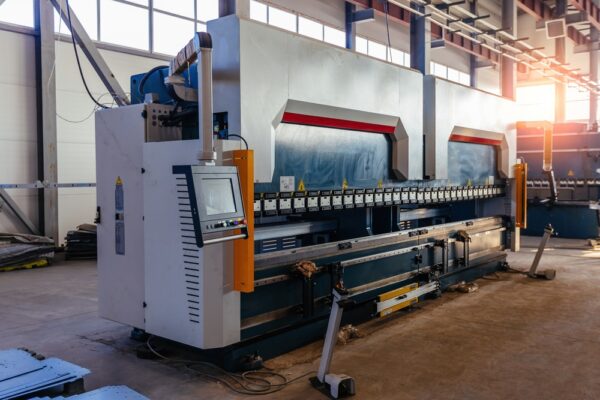
Why Press Brake Maintenance Is Critical
Press brake maintenance is essential for ensuring sheet metal machines operate efficiently, safely, and accurately in demanding fabrication environments. Regular preventive maintenance protects key components, reduces operational risk, and ensures consistent performance across all bending applications.
Operational Reliability and Productivity
Reliable press brake operation is critical for maintaining fabrication productivity and avoiding costly interruptions. When industrial machinery maintenance is performed regularly, potential faults in the hydraulic press brake, CNC system, or mechanical assemblies can be identified early. Preventive maintenance reduces unexpected downtime, ensures smooth machine servicing, and allows sheet metal machines to operate consistently under production demands.
Accuracy and Product Quality
Press brake accuracy directly affects the quality and consistency of fabricated components. Poor calibration, worn tooling, or mechanical misalignment can result in incorrect bend angles, rejected parts, and wasted materials. Routine press brake maintenance procedures, including machine calibration and tooling inspection, help preserve precision. Maintaining alignment, hydraulic stability, and back gauge accuracy ensures metal fabrication equipment produces reliable, repeatable results.
Equipment Lifespan and Cost Control
Proper maintenance significantly extends the lifespan of sheet metal machines and reduces long-term operating costs. Hydraulic system maintenance, lubrication, and regular inspection prevent premature wear of critical components. By investing in preventive maintenance and professional machine servicing, businesses can avoid expensive repairs, improve equipment longevity, and maximise the return on their metal fabrication equipment investment.
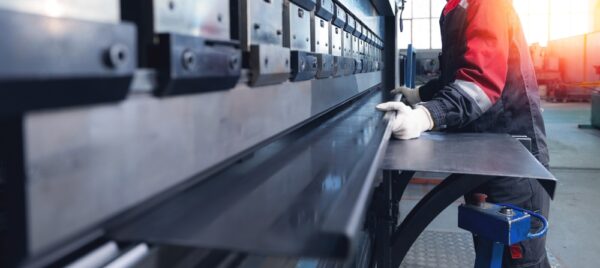
Daily Press Brake Maintenance Checklist
Daily maintenance is the foundation of reliable press brake operation and ensures sheet metal machines continue to perform safely and accurately. Consistent inspections help detect early signs of wear, prevent unexpected downtime, and support overall fabrication productivity.
Visual Inspection of Machine Components
A thorough visual inspection should be performed before operating the press brake to identify potential mechanical or hydraulic issues. Operators should check for hydraulic leaks, loose bolts, worn guideways, and any visible damage to structural components. Unusual noises, vibrations, or resistance during operation may indicate developing faults within the hydraulic press brake or mechanical system. Early detection through daily inspection helps prevent minor issues from escalating into major industrial machinery problems.
Cleaning and Workspace Maintenance
Maintaining a clean press brake and surrounding workspace is essential for protecting machine accuracy and extending equipment lifespan. Dust, metal shavings, and debris can accumulate on guide rails, sensors, and moving components, affecting alignment and CNC press brake performance. Regular cleaning ensures proper movement of critical parts and reduces contamination risks to the hydraulic system. Clean sheet metal machines also allow operators to identify potential faults more easily during routine inspections.
Tooling and Clamp Inspection
Press brake tooling, including punches and dies, should be inspected daily to maintain bending precision and prevent machine strain. Worn, chipped, or misaligned tooling can reduce product quality and place unnecessary stress on the press brake’s mechanical components. Ensuring clamps are secure and tooling is correctly aligned supports accurate bending and protects the long-term reliability of sheet metal machines.
Weekly and Monthly Press Brake Maintenance Tasks
Weekly and monthly maintenance tasks provide a deeper level of inspection that supports the long-term reliability, accuracy, and safety of sheet metal machines. These scheduled checks focus on critical systems such as hydraulics, mechanical assemblies, and electrical controls, helping ensure consistent performance in demanding metal fabrication environments.
Hydraulic System Maintenance
The hydraulic system is the driving force behind most press brake operations, making regular inspection essential for reliable performance. Hydraulic oil levels should be checked frequently to ensure sufficient pressure for accurate bending. Low or contaminated hydraulic fluid can reduce efficiency and damage internal components of a hydraulic press brake. Monitoring hoses, seals, and fittings for leaks or deterioration helps prevent pressure loss and maintains stable operation. Clean hydraulic fluid and properly functioning components are essential for preserving press brake accuracy and reducing the need for costly industrial machinery maintenance.
Mechanical System Inspection
Mechanical components must remain properly aligned to ensure precise and repeatable bending results. Weekly and monthly checks should include inspection of the ram, guideways, and structural elements for signs of wear or misalignment. Ensuring correct ram parallelism and verifying back gauge accuracy helps maintain consistent bending performance. Proper lubrication of moving parts reduces friction, prevents premature wear, and supports the smooth operation of sheet metal machines. Regular mechanical inspection also helps identify early warning signs that may require professional machine servicing.
Electrical System and Control Functions
Electrical systems and CNC press brake controls play a crucial role in maintaining automation accuracy and operational safety. Connections, wiring, and control panels should be inspected to ensure reliable communication between components. Sensors and safety circuits must function correctly to support safe and efficient fabrication processes. Regular testing of CNC systems ensures accurate positioning, consistent performance, and optimal productivity across all sheet metal machines.
Tooling Care and Management
Proper tooling care is essential for maintaining press brake accuracy, protecting equipment, and ensuring sheet metal machines deliver consistent fabrication results. Well-maintained tooling reduces strain on the hydraulic press brake and supports reliable, high-quality bending performance.
Tool Wear Monitoring and Replacement
Regular inspection of press brake tooling, including punches and dies, helps maintain bending precision and prevents unnecessary stress on metal fabrication equipment. Over time, tooling can develop wear, surface damage, or deformation that affects bending angles and finished product quality. Identifying worn tooling early allows operators to replace components before they compromise press brake maintenance outcomes. Consistent tooling inspection also protects the mechanical system and supports overall industrial machinery maintenance by preventing misalignment, vibration, and uneven force distribution during operation.
Proper Tool Storage and Handling
Correct storage and handling practices are critical for extending tooling lifespan and preserving the accuracy of sheet metal machines. Tooling should be stored in clean, organised environments where it is protected from moisture, dust, and accidental damage. Improper handling can result in dents, scratches, or misalignment that affect press brake performance. Maintaining organised tooling systems makes it easier to identify wear, perform machine servicing, and ensure CNC press brake operations remain accurate, efficient, and reliable over time.
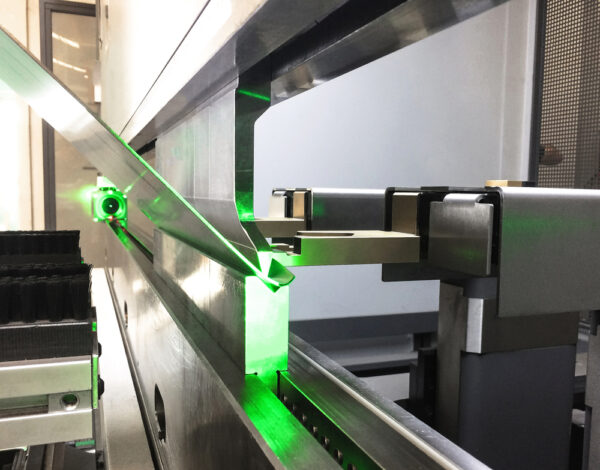
Safety System Inspection and Compliance
Safety system inspection is a critical component of press brake maintenance, ensuring operators are protected while sheet metal machines operate efficiently. Properly functioning safety features reduce workplace risks and support compliance with Australian safety standards for industrial machinery.
Safety Components and Operator Protection
Press brakes rely on integrated safety components to protect operators during metal fabrication processes. Emergency stop buttons, protective guards, and light curtains must be inspected regularly to confirm they respond correctly during operation. Faulty safety devices can increase the risk of injury and compromise overall machine servicing reliability. Ensuring these systems function properly supports safe operation and protects both personnel and valuable metal fabrication equipment.
Workplace Safety and Regulatory Compliance
Maintaining safety compliance is essential for businesses using sheet metal machinery in Australia. Routine inspection and preventive maintenance help ensure press brakes meet workplace safety requirements and operational standards. Properly maintained safety systems also reduce liability risks, support consistent productivity, and ensure industrial machinery maintenance programs prioritise both performance and operator wellbeing.
Preventive Maintenance and Professional Servicing
Preventive maintenance and professional servicing play a vital role in preserving the performance, safety, and lifespan of sheet metal machines. A structured maintenance program helps identify potential faults early and ensures press brake systems operate efficiently under demanding fabrication conditions.
Scheduled Preventive Maintenance Programs
Scheduled preventive maintenance ensures that press brake components are inspected, cleaned, lubricated, and calibrated at regular intervals. This proactive approach reduces the likelihood of unexpected breakdowns and supports consistent hydraulic press brake performance. Preventive maintenance also protects critical systems, including guideways, back gauges, and hydraulic assemblies, ensuring sheet metal machines maintain bending accuracy and operational reliability.
Professional Calibration and Inspection
Professional machine servicing by qualified technicians ensures precise calibration and thorough inspection of CNC press brake systems. Technicians can assess hydraulic system performance, electrical controls, and mechanical alignment to maintain optimal operation. Expert servicing helps detect hidden issues, ensures accurate machine calibration, and extends the lifespan of valuable metal fabrication equipment.
Do You Need Sheet Metal Machinery Maintenance?
Following a structured press brake maintenance checklist is essential for preserving the performance, accuracy, and safety of sheet metal machines. Regular preventive maintenance, tooling inspection, hydraulic system maintenance, and professional machine servicing help prevent costly downtime and extend equipment lifespan.
Get in touch with ACRA Machinery by calling 03 9794 6675 or fill out our online contact form and we will get back to you
FAQ – Press Brake Maintenance Checklist
How often should press brakes be serviced?
Press brakes should undergo daily visual inspections, weekly and monthly maintenance checks, and regular professional servicing. The frequency may vary depending on machine usage, but regular maintenance ensures hydraulic press brake systems, tooling, and CNC controls operate reliably and accurately.
What happens if press brake maintenance is neglected?
Neglecting maintenance can lead to reduced bending accuracy, unexpected downtime, costly repairs, and safety risks. Worn tooling, misaligned mechanical components, or contaminated hydraulic fluid can compromise sheet metal machines and reduce the lifespan of industrial machinery.
What is included in a press brake maintenance checklist?
A comprehensive checklist covers hydraulic system checks, mechanical alignment inspections, electrical and CNC control testing, tooling and clamp inspections, cleaning, lubrication, and safety system verification. Following these steps protects both the operator and the machine.