Improving Worker Safety in the Sheet Metal Fabrication Industry

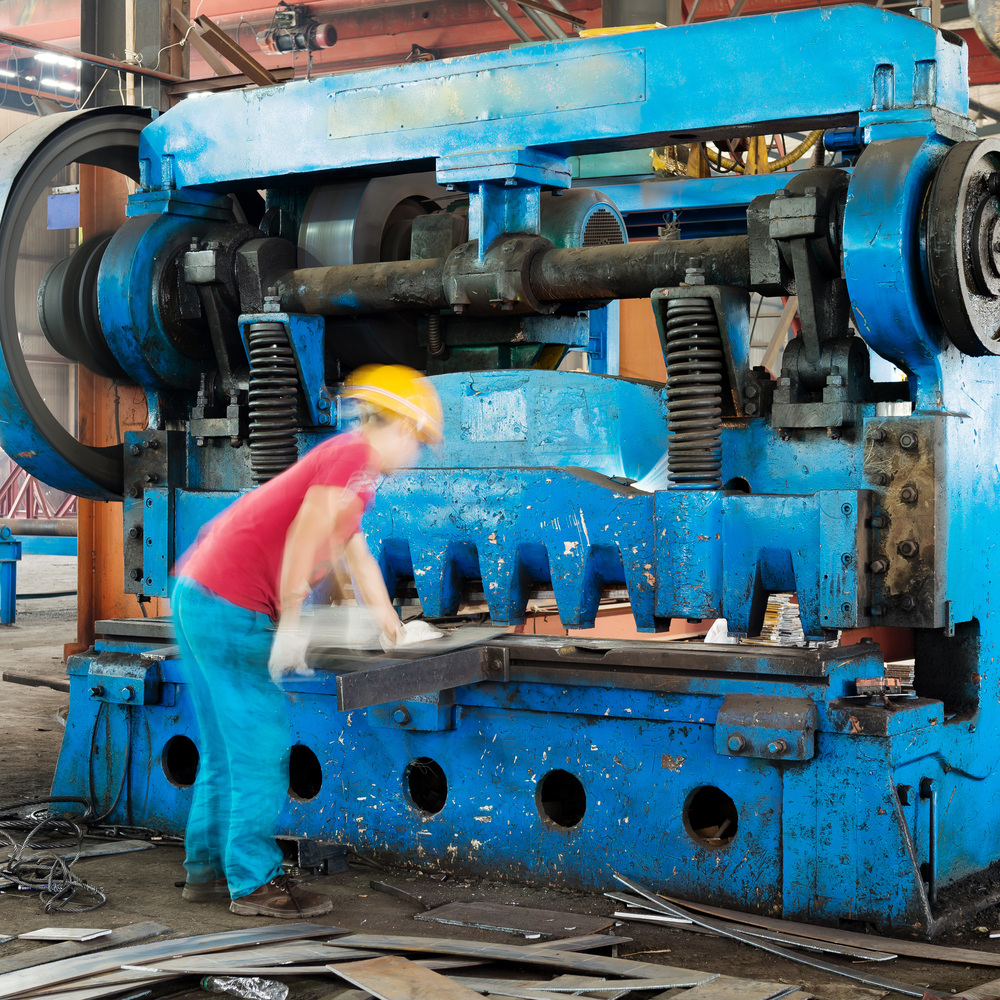
Like any other industry in the manufacturing sector, sheet metal fabrication comes with it’s own set of workplace hazards. Moving machinery, heavy sheet metal, lasers, hydraulics, shears and guillotines are just some of the health and safety risks which need to be managed within the sheet metal industry. This week, we take a look at four key ways employers can improve workplace conditions within the sheet metal fabrication industry.

shutterstock_50670022

Encourage lifting safety

Most people working in the industrial sector know how to lift without straining their back, but in the sheet metal sector, heavy and bulky pieces of sheet metal will inevitably cause physical stress. The best way to minimise straining injuries is by minimising the amount of times that workers have to physically lift sheet metal. This can be achieved through the introduction of lifting tools such as industrial lifting magnets as well as transportation devices such as trolleys or dollies.


Wearing protective gear

Protecting clothing is the first line of defence when it comes to protecting workers from the hazards of metal fabrication. Equipment such as face shields, steel capped boots, heavy sleeves, eye protection and of course gloves should be standard in any metal fabrication workplace, but the addition of things like magnetic hand lifters to avoid contact with sharp, dirty or hot metal can also help to minimise instances of injury. Workplace procedures such as filing down metal burrs as soon as the metal is cut should also be standardised as part of the fabrication process to minimise injury when workers do need to handle the metal.


Worker education

Although it is not always possible to avoid accidents, the best way to prevent them, and minimise harm when they do occur, is through education. Employers need to ensure that all of their employees are educated in not only the operational requirements of their job, but also in the relevant safety and harm minimisation procedures. These should be uniform across the workplace to ensure that if an accident does happen, there is no ambiguity about how to proceed.


ACRA are proud suppliers of new and used sheet metal machinery to the fabrication industry. To learn more about our capabilities, please don’t hesitate to get in touch by calling 03 9794 6675.
 

Key Environmental Sustainability Issues in the Sheet Metal Fabrication Industry

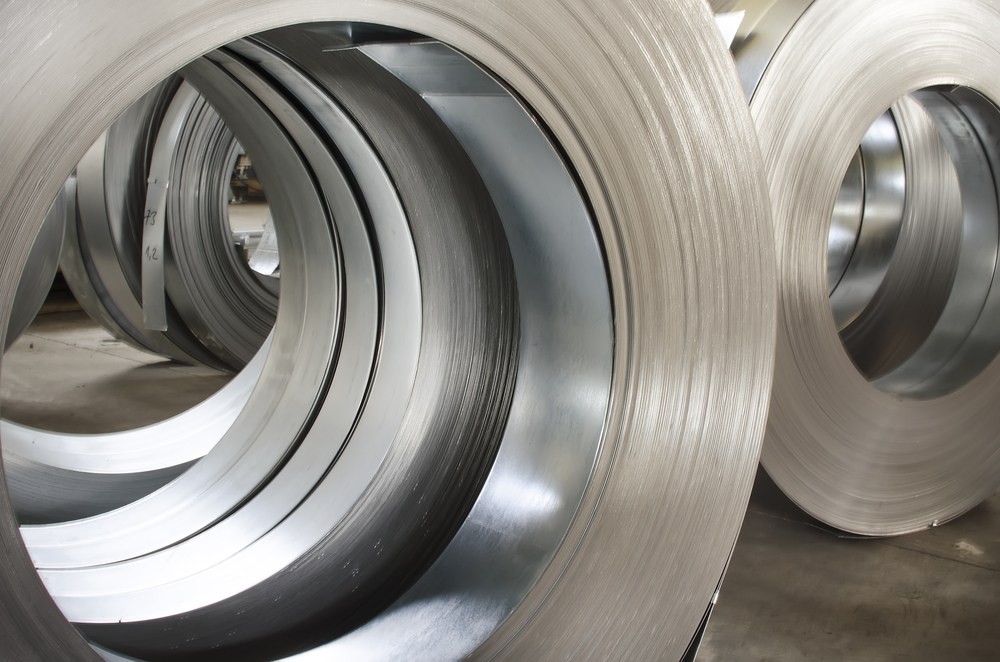
Although it is a necessary part of modern manufacturing, sheet metal fabrication is not an environmentally friendly industry. In recent years, we have come leaps and bounds in terms of developing greener fabrication technologies that consume less power, use fewer hazardous chemicals, and produce less waste, but there is still a way to go before sheet metal fabrication can be considered a sustainable industry. This week, we take a look at some of the key aspects of the industry, which affect environmental sustainability.

shutterstock_157872227

Energy consumption

The process of transforming sheet metal into products, is an energy intensive process which requires a wide range of machinery across the supply, fabrication and distribution processes. Many sheet metal machinery manufacturers have addressed this issue by using less energy intensive technologies to design machines that use substantially less power.

Raw material use

Most of the products which roll off the production line in the sheet metal fabrication industry are sourced entirely from non-renewable resources such as minerals and ore. Improved metal recycling systems are the obvious answer to this, but unfortunately, Australia falls far behind the rest of the world when it comes to recycling practices.


Hazardous chemicals

Sheet metal machinery uses a range of different toxic chemicals like solvents, cutting agents, surface treatments and of course hydraulic fluid which pose a risk to both the environment and human health when they are released during production or as a result of an accident. There are a number of researchers currently working to minimise the harm caused by metalworking fluids, and creating more sustainable systems.


Water reliance

In sheet metal fabrication, water is relied upon as a coolant, a dust suppressant, and of course a cleaner. Whilst these processes are all important, fresh water is a finite resource and in a drought prone country like Australia, using this for manufacturing processes when there are other options such as grey water and desalination, makes little sense.


Waste production

Historically, sheet metal manufacturing produced a great deal of non-degradable waste as part of the production process. However, modern technologies and improved waste management processes mean that this problem is diminishing over time.

ACRA are proud to stock a comprehensive range of quality sheet metal machinery.  Our range includes revolutionary designs such as the environmentally friendly AD Servo Press Brake, which boasts an average power consumption reduction of 53% when compared with a conventional hydraulic press brake. Browse our product range online, or get in touch with us by calling 03 9794 6675.

A Beginners Guide to Sheet Metal Fabrication

The sheet metal fabrication plays a crucial role in modern manufacturing processes, and many of the everyday conveniences we enjoy like driving a car to work, using a smartphone, or even living in a structurally sound house, would all be impossible without sheet metal fabrication. Despite this hardly anyone outside the industry knows anything about what sheet metal fabrication actually is, how it works, or why it’s so important. This week, we take a look at the basics of sheet metal fabrication.

shutterstock_374054809

What is it?

As the name suggests, sheet metal fabrication is the process of turning the sheet metal into a finished product. Sheet metal is used to manufacture an enormous range of different products, from iPhone cases to metal guttering; basically anything that has an even metal surface as been fabricated from sheet metal. The fabrication processes used to manufacture these products is equally broad and encompasses things such as cutting, shearing, welding, bending and polishing.

Are there any sub categories?

Sheet metal fabrication falls into three categories:

Structural fabrication: This category encompasses the manufacturing of civil engineering works such as bridges, as well as building components like girders.

Industrial fabrication: This category pertains to the manufacture of support and processing equipment.

Commercial fabrication: An enormous category, commercial fabrication is a catch all term for metal items which are available for retail purchase.


How is the metal cut?

There are a three key way to cut metal in the sheet metal fabrication industry. The first is to draw blades backwards and forwards across the metal surface in a sawing action. The second involves shearing the metal by exerting an enormous amount of pressure onto the metal until it breaks clean apart. The third entails using a laser beam to melt through the metal.


ACRA are industry specialists when it comes to sheet metal machinery and we stock a comprehensive range of new and used models for the commercial, structural, and industrial fabrication sectors. To learn more about our capabilities, please don’t hesitate to get in touch with us by calling 03 9794 6675, or by using the online enquiry form.

The ACRA Guide to Plasma Cutters

Often the subject of sci-fi movies, plasma plays an important role in many modern industries and technology. Without it, we would be without neon signs, plasma TV screens, spacecraft heat shield technology, and an understanding of fusion energy. Since the 1980s, plasma cutting has been widely used in the sheet metal manufacturing industry, yet very few people really understand how plasma cutting actually works. This week, we take a closer look at the finer points of plasma cutting technology and why it is so popular in the sheet metal manufacturing industry.

shutterstock_369999257

What is it?

The fourth fundamental state of matter alongside solids, liquids and gases, plasma is the most abundant matter in the universe. A plasma stream can be created by heating or exposing a gas to a strong electromagnetic field that varies the number of electrons and creates positive or negative charged particles (ions). A plasma stream is characterised by charged particles which are closely packed together to influence more than one nearby particles, this means that the interactions in the bulk of the plasma than at the edges, and the plasma is quasineutral. In a plasma stream, the gas kinetics also need to be dominated b electrostatic interactions.

How does it work?

In plasma cutting technology, an electrical stream of plasma is passed through the worked material and forms an electric circuit which includes a grounding lamp. The plasma stream is created by blowing compressed gas through a focused nozzle. The gas is ionised by an electrical arc which is created by an integrated electrode and the work piece. Once the plasma stream is created, electricity runs down it and melts through the working material, whilst the fast moving compressed gas blows the molten metal away, creating a clean cut.

What are the advantages of plasma technology?

In the sheet metal fabrication industry, plasma cutters are known for their cost effective operation, user friendly operating systems, fast production speed, versatility and adaptability. Plasma cutters can be adjusted to cut through both ferrous and non-ferrous metals, and thicknesses ranging from gauge to 150mm.


ACRA stock state of the art plasma cutters from leading manufacturer Durmalazar. To learn more about our capabilities, please don’t hesitate to get in touch by calling 03 9794 6675.

5 Reasons to Love the Durma Laser Cutting Machine


Whilst it isn’t always the case that those in the market for a new laser cutter need the latest technology, it’s good to keep abreast of the latest machinery innovations that are making waves in the sheet metal fabrication world. This week, we take a look at the crème de la crème of laser cutter technology in the form of the Durma Laser Cutting Machine.

hdf6020-600x400

Fibre lasers

Requiring no gas or mirrors for operation, fibre lasers make cutting simple, fast and efficient. Able to cut a wide rage of material types, shapes and thicknesses at incredible speed, fibre lasers represent the gold standard in laser cutting technology. The incredible speed of the fibre laser is capitalised on with a shuttle table and pallet change system, which ensures the loading and unloading of sheets does not slow down the rate of production.


Unparalleled accuracy

Designed with a rigid welded steel frame and a stiff gantry axis, the Duma Laser Cutting Machine ensures accuracy even when working at maximum speed. The on board library also contains a wide range of reference cutting parameters for different materials and thicknesses, so accuracy from an operational perspective is sped up and improved as well.

Established brand name

As the world’s largest volume producer of sheet metal machinery, Durma is a behemoth in the world of metal fabrication. Known for their accurate, efficient and user friendly systems, Durma is a trusted industry leader dedicated to helping companies boost their productivity with the latest laser technology.


No maintenance

Because it uses a solid state laser, the Durma Laser Cutting Machine has no mechanical parts and does not need to be adjusted and is therefore maintenance free. It also has an incredibly working lifetime which extends beyond 100,000 hours.


Reduced power consumption

Another advantage of fibre laser technology is that it has no standby electrical consumption and has substantially lower cooling requirements than a CO2 model. Fibre lasers also have a wall plug efficiency of 30%, which is double that of a CO2 laser.


ACRA is proud to stock the latest laser cutter technology from Durma, as well as a range of reliable used cutters and other sheet metal machinery. To learn more about our capabilities, please don’t hesitate to get in touch by calling 03 9794 6675.


10 Things You Didn’t Know About the History of Sheet Metal Fabrication

Although on the surface, sheet metal fabrication might not seem like a particularly interesting subject, it has a long and varied history involving Egyptian artefacts, knights, and Leonardo da Vinci. Fun trivia aside, sheet metal fabrication has played a fundamental role in the development of many different technologies throughout human history, and it deserves to be celebrated. This week, we celebrate the important role sheet metal fabrication has played throughout history with 10 interesting facts.

shutterstock_172396214

  1. Metal working can be traced back to prehistoric times (fourth-fifth millennium BC) with metals that occur in nature being cold worked with stones.
  2. The ancient Egyptians were particularly prolific sheet metal fabricators and used the technology to create stunning gold and silver jewellery.
  3. In the 14th century, Leonardo da Vinci was one of the first to pioneer press, roller, and cutter technology, which was used for the manufacturing of coins. He made around 1500 of these kinds of machines during his lifetime.
  4. The press rocker was widely used throughout Europe from 1645, and the technology remained in use until the early 20th
  5. Sheet metal working was a highly valued skill historically, as sheet metal was used to create the plate armour worn by cavalry.
  6. The first hydraulic press was developed in 1770 by English industrialist Joseph Bramah.
  7. Water wheels, manpower, and steam are just two examples of the energy sources that have been used to power sheet metal machinery throughout history.
  8. At the end of the 18th century, the Industrial Revolution drastically increased the demand for sheet metal and lead to crucial innovations such as the assembly line and press brakes.
  9. Puddling was an important process for producing bar iron without charcoal in the 17th It involved heating up cast iron and using it to liquefy other materials in a reverberation furnace. However, because it relied on flame power, it was ultimately ineffective and abandoned.
  10. A popular colloquial term for sheet metal workers is ‘tin bashers’ or ‘tin knockers’, which refers to their hammering of panels when installing a tin roof.


ACRA are proud to offer sheet metal fabricators a range of quality new and used sheet metal machinery. To learn more about our capabilities, please don’t hesitate to get in touch by calling 03 9794 6675.

The Different Types of Lasers Used in Sheet Metal Machinery

The precision, speed and quality that laser technology has to offer has made it the gold standard for machinery in the sheet metal industry. There are three different types of laser technology used for sheet metal machinery; carbon dioxide, Nd:YAG and fibre. In this article, we take a closer look at the various laser technologies available.

shutterstock_309013577

Carbon dioxide laser

First developed in 1964, CO2 lasers are the highest powered type of laser on the market. As the name would suggest, CO2 lasers use carbon dioxide gas as a laser medium and produce a long wavelength of infrared light which can be absorbed by a wide range of solid materials including stainless steel, mild steel, aluminium and titanium. Some of the advantages of CO2 lasers include the ability to cut through a wide range of materials including thicker materials, a quick processing time and reasonable resolution at shorter focal lengths. Some of the drawbacks of CO2 laser technology includes its inability to cut infrared reflecting materials, a relatively large focal spot, and a low power density when compared with other laser technologies.


Nd:YAG

Nd:YAG is a crystal laser with a high power density that makes it ideal for focusing on a tight spot and producing a precision cut. The crystal is used as a lasing medium for a solid state laser. The Nd:YAG technology is best suited to cutting a range of metals including coated metals. Aside from it’s high power density, some of the advantages of Nd:YAG lasers include it’s fast processing time for thin materials, and a high DPI capability. Some of the drawbacks associated with this technology include it’s expensive pump diodes, which need to be regularly replaced, the wear on the crystal and its short Rayleigh length which makes cutting thicker materials harder.


Fibre

Fibre technology is a solid state laser that uses an optical fibre as a laser medium. It is suited to cutting a wide range of metals including coated and reflective metals like brass, aluminium, and copper. This is because like Nd:YAG lasers, fibre lasers have a short wavelength and can therefore produce an extremely small spot size. Some of the advantages of fibre lasers include high output power, high optical quality, temperature and vibrational stability, and low maintenance requirements. The major drawback of fibre lasers is their short wavelength, which makes cutting through thick materials more difficult.


ACRA specialise in state of the art sheet metal machinery, including a state of the art fibre laser cutter from Durmazlar. To learn more about our product range, please don’t hesitate to get in touch by calling 03 9794 6675.

Assessing the Benefits and Drawbacks of Hydraulic Systems

If you are undertaking simple heavy duty mechanical work, then there are few technologies can compete with the strength and versatility of a hydraulic system. Despite this, there are a number of drawbacks to consider when investing in hydraulic machinery, and in this article, we run through the various benefits and drawbacks of this technology.

shutterstock_307162004

Power

Hydraulic technology makes it very easy to control motion and have enormous force potential ranging from a few hundred grams to tonnes. The absence of pulls, levers, and fears means that hydraulic systems effortlessly exert force. They can also maintain constant force or torque during speed changes.


Maintenance

Because hydraulic systems contain few working parts, they can be operated for a long time with very little maintenance. However, these systems are also vulnerable to foreign object damage and contamination, and if a hydraulic system is damaged and hydraulic liquid leaks, it can cause the system to break down completely. Hydraulic fluid is also highly corrosive and can become an environmental hazard if disposed of properly.


Safety

The lack of moving parts in hydraulics is also advantageous from an occupational health and safety perspective as they are simple to operate and there is a reduced likelihood of injury. However, when a hydraulic system is damaged it can pose a significant safety hazard and strict operational protocols need to be in place to ensure accidents are kept to a minimum. Hydraulic fluid can cause chemical burns and there is always a risk of explosion or fire when working with fluids under pressure.


Versatility

Hydraulic systems can be easily adapted to suit a range of jobs and are easy to adjust once in motion.


Resilience

Hydraulics are notoriously sensitive to temperature extremes, bubbles, and air pockets, all of which can cause catastrophic damage if left unmanaged. Line ruptures are also a common issue if the machinery is not operated properly and stored in the right environment.


Energy efficiency

Energy efficiency has long been a problem in hydraulic systems, due to the aforementioned leakage problems as well as low fluid flow resistance. However, the widespread application potential of hydraulics mean that the technology is constantly advancing, and the energy efficiency issues are slowly being addressed.


ACRA stock an extensive range of new and used sheet metal machinery including a number of hydraulic models. To learn more about our capabilities, please don’t hesitate to get in touch by calling 03 9794 6675.


Turret Punch Vs. Laser Cutting

Although laser cutting revolutionised the sheet metal fabricating industry when it first emerged in the 1960s, punch technology has also advanced to a point where it is now competitive with laser technology for some processes. In this article, we compare the various strengths and weaknesses of turret punch and fibre laser cutting technologies.

laservspuncher

Efficiency

Turret punch machinery eliminates the need for secondary operations and is reasonably productive with around 1,000 hits per minute. Laser cutters are state of the art in terms of speed and are able to reach speeds of around 10,000 hits per minute. In fact, the incredible production capabilities of the fibre laser can actually overwhelm manual operations and  make it necessary to invest in a completely automated system capable of keeping up with the cutting speed.

Economy

Turret punching is a highly cost effective tool that is energy efficient with it’s servo-electric power source. However, it is vulnerable to wear and does still require regular maintenance to keep the tools sharp. Laser cutters on the other hand, have a higher initial setup cost but have a lower operational cost due to having lower maintenance needs.  They require no oil or filters and have a simple design which requires very little training to operate competently.


Work mix

Laser cutters are capable of cutting highly reflective materials including brass and copper. Turret punch machinery is also capable of working with a versatile range of materials including aluminium, cold rolled steel, and stainless steel.

Capacity

Fibre lasers are ideally suited to cutting materials with a thickness less than 0.6cm although recent technological advancements mean some beams can be altered with additional optics technology to cut thick materials. Turret punch machinery on the other hand is well suited to hole intensive parts and those with knockouts. Typically, punch presses can work with materials up to 0.8cm thickness. This technology has also advanced to facilitate a dynamic range of forms including flanges, up forms, contouring, marking and tapping. Laser cutters are also highly flexible and can produce virtually any contour.


Precision

When it comes to precision, nothing comes to close to laser cutters in terms of performance. This aside, the servo-electric power that turret punch machinery runs off delivers a much higher precision finish than hydraulically powered machinery.

ACRA stock quality new and used laser cutter and turret punch machinery. To learn more about our range, please don’t hesitate to get in touch by calling 03 9794 6675.