
Assessing the Benefits and Drawbacks of Hydraulic Systems

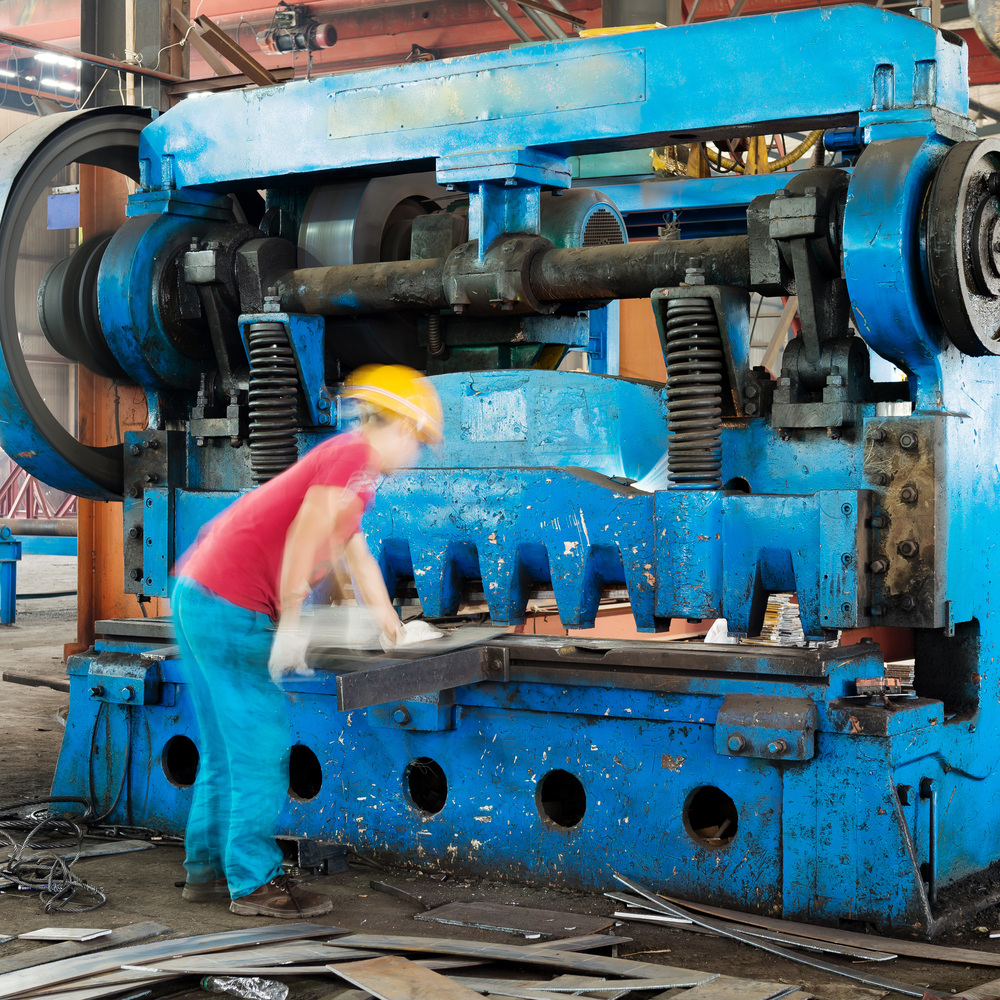
If you are undertaking simple heavy duty mechanical work, then there are few technologies can compete with the strength and versatility of a hydraulic system. Despite this, there are a number of drawbacks to consider when investing in hydraulic machinery, and in this article, we run through the various benefits and drawbacks of this technology.
shutterstock_307162004

Power

Hydraulic technology makes it very easy to control motion and have enormous force potential ranging from a few hundred grams to tonnes. The absence of pulls, levers, and fears means that hydraulic systems effortlessly exert force. They can also maintain constant force or torque during speed changes.


Maintenance

Because hydraulic systems contain few working parts, they can be operated for a long time with very little maintenance. However, these systems are also vulnerable to foreign object damage and contamination, and if a hydraulic system is damaged and hydraulic liquid leaks, it can cause the system to break down completely. Hydraulic fluid is also highly corrosive and can become an environmental hazard if disposed of properly.


Safety

The lack of moving parts in hydraulics is also advantageous from an occupational health and safety perspective as they are simple to operate and there is a reduced likelihood of injury. However, when a hydraulic system is damaged it can pose a significant safety hazard and strict operational protocols need to be in place to ensure accidents are kept to a minimum. Hydraulic fluid can cause chemical burns and there is always a risk of explosion or fire when working with fluids under pressure.


Versatility

Hydraulic systems can be easily adapted to suit a range of jobs and are easy to adjust once in motion.


Resilience

Hydraulics are notoriously sensitive to temperature extremes, bubbles, and air pockets, all of which can cause catastrophic damage if left unmanaged. Line ruptures are also a common issue if the machinery is not operated properly and stored in the right environment.


Energy efficiency

Energy efficiency has long been a problem in hydraulic systems, due to the aforementioned leakage problems as well as low fluid flow resistance. However, the widespread application potential of hydraulics mean that the technology is constantly advancing, and the energy efficiency issues are slowly being addressed.


ACRA stock an extensive range of new and used sheet metal machinery including a number of hydraulic models. To learn more about our capabilities, please don’t hesitate to get in touch by calling 03 9794 6675.

 

Turret Punch Vs. Laser Cutting

Although laser cutting revolutionised the sheet metal fabricating industry when it first emerged in the 1960s, punch technology has also advanced to a point where it is now competitive with laser technology for some processes. In this article, we compare the various strengths and weaknesses of turret punch and fibre laser cutting technologies.

laservspuncher

Efficiency

Turret punch machinery eliminates the need for secondary operations and is reasonably productive with around 1,000 hits per minute. Laser cutters are state of the art in terms of speed and are able to reach speeds of around 10,000 hits per minute. In fact, the incredible production capabilities of the fibre laser can actually overwhelm manual operations and  make it necessary to invest in a completely automated system capable of keeping up with the cutting speed.

Economy

Turret punching is a highly cost effective tool that is energy efficient with it’s servo-electric power source. However, it is vulnerable to wear and does still require regular maintenance to keep the tools sharp. Laser cutters on the other hand, have a higher initial setup cost but have a lower operational cost due to having lower maintenance needs.  They require no oil or filters and have a simple design which requires very little training to operate competently.


Work mix

Laser cutters are capable of cutting highly reflective materials including brass and copper. Turret punch machinery is also capable of working with a versatile range of materials including aluminium, cold rolled steel, and stainless steel.

Capacity

Fibre lasers are ideally suited to cutting materials with a thickness less than 0.6cm although recent technological advancements mean some beams can be altered with additional optics technology to cut thick materials. Turret punch machinery on the other hand is well suited to hole intensive parts and those with knockouts. Typically, punch presses can work with materials up to 0.8cm thickness. This technology has also advanced to facilitate a dynamic range of forms including flanges, up forms, contouring, marking and tapping. Laser cutters are also highly flexible and can produce virtually any contour.


Precision

When it comes to precision, nothing comes to close to laser cutters in terms of performance. This aside, the servo-electric power that turret punch machinery runs off delivers a much higher precision finish than hydraulically powered machinery.

ACRA stock quality new and used laser cutter and turret punch machinery. To learn more about our range, please don’t hesitate to get in touch by calling 03 9794 6675.

Checklist for Buying a Plate Roller

One of the more sophisticated fabricating processes, plate rolling is ideal if you want to offer more bending options to your customers, but it does demand more care and attention than the stock standard press brake. Plate rolling is still a skilled art which requires an experienced operator who understands how to control the roller’s dynamic fabricating process. For a successful plate rolling service t take off, it’s also imperative that you choose the right kind of machinery for the job. In this article, we take a look at some of the key criteria you need to consider when buying a plate roller.

shutterstock_201256211

The material you will be rolling

Getting the right plate roll sizing is important, and to do this, you need to have a clear idea about the types of materials you will be working with. Factors like diameter, thickness, width, yield and strength are all important considerations, as they will dictate the pressure, as well as the minimum and maximum width and diameter of the plate roller. Whether or not you will be needing to make special shapes should also be considered.


The crowning requirements of your operation

Metal fabricators who wish to use the plate roll on a wide range of materials will need to invest in optimal crowing (typically 75% of nominal capacity). Crowing can be applied to any machine to facilitate the tolerances and material characteristics but it’s important to investigate your crowning requirements before you begin looking at rollers.


Your production needs

The operational requirements of a plate roller do vary, with some rollers being harder to operate than others. The two main types of plate rolls are four roll and three roll machines which have different levels of accuracy, operational complexity, and specialty features. Whilst four roll machines produce fast, accurate bends, three roll machines are ideal for fabricators working with a wide range of material thicknesses and types.


What you need the finished product to look like

Although traditional rollers produce quality, accurate products, they are by no mean polished. If you need a finish free of marks then you’ll have to invest in precision ground rollers which produce a polished finish, but can be more easily damaged.


ACRA stock an extensive range of new curving and rolling machinery at our Dandenong location. To learn more about our range, please don’t hesitate to get in touch by calling 03 9794 6675.

10 Good Reasons to Invest in a Hydraulic Guillotine

Shearing machinery is an essential part of the sheet metal manufacturing process, and hydraulically powered models are the best on the market in terms of safety, precision, and speed. Although they are more expensive than the traditional manual models, hydraulic guillotines are a great investment that prove their worth many times over. In this article, we list ten good reasons why the hydraulic guillotine is a valuable asset to your sheet metal business.

  1. Accuracy
    Hydraulic systems use a two-way cartridge integrated valve to ensure a high level of shearing accuracy. Because it is an all steel welded construction, it’s vibration eliminates stress, the hand wheels in the machinery also assist in modulating the gap between the plates and maintains accuracy.
  2. Variability
    Hydraulic models can cut different sizes without having to be adjusted. The shearing angle and working pressure can also be adjusted to reduce the deformation of plates.
  3. Reliability
    When combined with an integrated hydraulic system, this type of guillotine provides reliable results every time. Hydraulic models can also be programmed to meet the specifications of a particular project to ensure a consistent result.
  4. Compatibility
    Hydraulic machines can be integrated into most sheet metal manufacturing systems and are an ideal solution if you have a state of the art, integrated hydraulic system already in place.
  5. Durability
    A hydraulic model has a strong shearing capacity and a long service life. This is partially due to it’s steel welded construction.
  6. Cost effective
    Although they are more expensive than manual models, a hydraulic guillotine represents value for money due to their long lifespans and production efficiency. Hydraulic models are also more compact, and take up less space on your factory floor.
  7. Safety
    Hydraulic models are safer option to work with than older manual models, provided they are operated by an experienced professional.
  8. Energy efficient
    Because hydraulics depends on fuel power, they consume substantially less power than other mechanical models.
  9. Speed
    One of the chief advantages of a hydraulic model is it’s shearing speed, which outstrips the processing time of other types of shearing machines without compromising accuracy.
  10. Easy to repair
    Hydraulic guillotines have standard replacement parts which are easy to source, relatively inexpensive, and simple to install.

ACRA are esteemed providers of new and used sheet metal machinery including hydraulic guillotines. To learn more about our product range, please don’t hesitate to get in touch with us by calling 03 9794 6675.

5 Reasons you Should Outsource Your Sheet Metal Servicing to ACRA

One of the key functions of ACRA is to provide quality maintenance services for sheet metal machinery. Over the years, we’ve built up a loyal customer base of businesses and manufacturers who have come to rely on the quality services we provide. In this article, ewe take a look at just a few of the reasons why you should consider outsourcing your sheet metal servicing requirements to ACRA.

  1. We don’t subcontract
    First and foremost, all of the repair services and maintenance scheduling we provide is done in house by our professional team. By doing it this way, we are able to ensure a consistent quality and provide reliable servicing timeframes, so our clients are not inconvenienced by delays, or have their business interrupted by improperly services machinery.
  2. Specialised staff
    ACRA has a team of 4 full time service personnel with the ability to manage a wide range of machinery repair and maintenance tasks. Our team includes a mechanical engineer and mechanic, an electronic engineer, and a qualified tool fitter and is lead by a service manager with more than 50 years of experience in the sheet metal industry.
  3. Australian owned and operated
    ACRA is proud to be an Australian owned and operated company. By choosing to outsource your servicing requirements to us, you are contributing to the Australian economy and supporting one of the few remaining small businesses in the sheet metal machinery industry.
  4. 150 years’ experience
    Since 1977, ACRA has been dedicated to sourcing quality new and used sheet metal machinery, and providing its customers with expert advice and friendly customer service. With more than 150 years of combined experience, the ACRA team is well placed to take care of even the most complex maintenance and repaid jobs.
  5. A diverse range of services
    ACRA are proud to offer a broad range of services which are designed to encompass the complete repair and maintenance requirements of companies in the sheet metal machinery industry. Our capabilities include repair, scheduled maintenance, training, adjustment, testing, trouble shooting, upgrading and installation services as well as expert advice.

ACRA are the sheet metal machinery experts. To learn more about the range of maintenance scheduling and repaid services we offer, please don’t hesitate to get in touch with us by calling 03 9794 6675.

New or Second Hand? A Buyer’s Guide to Sheet Metal Machinery

Deciding whether to invest in new or second hand machinery is an important decision for small and medium sized businesses. Making the right decision requires consideration of a wide range of factors pertaining the budget, needs, and scale of a particular enterprise and in this article, we explore just a few of them.

Cost

The budget you have for sheet metal machinery is going to be the single biggest determining factor in whether you buy new or second hand. Naturally, a second hand machine is going to cost only a fraction of the price tag on a new model straight off the factory floor but there are other cost factors to consider such as maintenance and production quality.

Technology

If you buy a new machine, you’re investing in the latest technology on the market but realistically, many businesses don’t require machinery that is so sophisticated. For small scale operations or manufacturing where elements like accuracy, control, and automation aren’t paramount, a functional second hand machine will do a satisfactory job at a fraction of the price.

Reliability

Reliability is one of the most important elements to consider when investing in machinery and it is possible to invest in a second hand machine that will provide years of reliable performance. An advantage of second hand machinery (from a reputable dealer) is that it’s been tried and tested under industrial conditions, and has a proven track record of long term reliability. In this sense, buying a second hand machine is almost a safer bet than investing in a new model as it has a proven track record.

Quality

When you buy a new machine from an established brand, you know exactly what you are getting and have a product support team to rely on if anything goes wrong. By contrast, finding quality second hand machines requires research and finding a reliable second hand dealer who will sell you a restored machine and give you an accurate report on it’s condition.

ACRA specialise in selling both new and used sheet metal machinery. If you’re unsure about which machine would be best suited to your needs, our experienced team will be more than happy to advise you. Get in touch with us today by calling 03 9794 6675.

Choosing the Right Brake Press Technology For Your Needs

Deciding which brake press to invest in can be a complicated process. With a diverse range of brake press technologies available on the market, it pays to be able to understand the advantages of each. In this article, we take a look at the advantages and disadvantages of the four types of brake press technology.

If you want economy, choose a mechanical press

The oldest model of press brake, mechanical presses use a flywheel and an electric motor to move the ram vertically. Although relatively fast and cost efficient, mechanical presses are only suitable for operations where accuracy and control are not important as once the stroke is started it cannot be stopped. The speed of the ram also can’t be controlled, making mechanical presses one of the more dangerous models to operate.

If you require a press for low tonnage operations, choose a pneumatic press

Using air pressure to exert tonnage on the ram, pneumatic presses are a step up from mechanical models but still relatively primitive compared to the hydraulic press. However, if you only require a brake press for low tonnage operations, then the pneumatic press is the most cost effective option.

If you need accuracy and control, choose a hydraulic press

By far the most popular press design, hydraulic models have been used since the 1950s and operate with two synchronised hydraulic cylinders on the C frames to move the upper beam. Hydraulic presses offer a number of advantages over earlier models in terms of control, safety and accuracy. Able to be moved up or down at any stage during the operation process, each cylinder can also have a different tonnage placed upon it to enable complicated crowning control. A hydraulic press produces accurate, high quality products and is ideal for high tonnage operations.

If you want even distribution, choose a servo electric press

These designs utilize a servo motor to exert tonnage on the arm with a ballscrew or belt drive. Servo electric presses offer a number of advantages over hydraulic models in that they produce a very even distribution of forces, almost rendering the need for a crowning table obsolete. Cycle times are also substantially shorter and the press is both more energy efficient and environmentally friendly. The only disadvantage of the servo electric press is it’s cost, which is likely to lower as the technology becomes more widely used.

ACRA stocks a quality range of new and used press brakes. To learn more about our range, get in touch with us by calling 03 9794 6675.

Anti Fatigue Mats

Acra Machinery’s new range of Anti fatigue matting is specifically designed to provide you with a cleaner, safer and healthier work environment. These industrial mats come in black with yellow safety edging, and have a checker plate style non-slip surface and ramp edging for added safety and trip prevention. The 14mm thick sponge base provides superior employee comfort and promotes circulation; thereby reducing fatigue, accidents and work related injuries.
Anti fatigue mats are 900mm wide and come in lengths of 1, 2, 3 and 4 metres with custom sizes available on request.
To celebrate the addition of these mats to Acra Machinery’s extensive range of machinery and equipment, they are currently available at the special introductory rate of only $175.00 + GST/Metre. Call Acra Machinery today to discuss all your machinery and Anti fatigue matting needs.

Environmentally friendly Durma Servo Press Brakes

With the introduction of the Carbon Tax in Australia and the uncertainty surrounding the rise in electricity prices in the future now is the perfect time to look at investing in a Durma AD Servo Press brake.
Durma AD Servo press brakes offer up to 62% less power consumption than a conventional CNC Hydraulic Press Brake, Greater speed and accuracy (up to 25% faster than a conventional CNC Press brake), reduced noise levels and reduced maintenance costs.
So what would this mean to your company?
Let’s look at the example of a 3Metre x 135Tonne conventional CNC press brake with a 15Kw motor and compare it with the same capacity AD Servo machine.
At current industry electricity prices the conventional CNC press brake costs approx $4.60/hr to run.
Total estimated running costs for the year based on a 40Hr week at 50 weeks a year means that press costs $9,200 per year to operate.
Given that a Servo press brake runs at 62% less power at standby and 44% less power during a press cycle, this means that you would be using 53% less power on average. Therefore the same capacity machine in an AD Servo will cost approximately $2.43/hr to run.
Total estimated running costs for the year based on a 40Hr week at 50 weeks a year means that press costs $4,860 per year to operate.
That represents a saving of $4,340 per year in electricity costs alone.
Now take into account that an AD Servo Press brake is capable of operating at approx 25% greater speed than a conventional CNC press brake.
If you produce 150 parts per day at a profit of $10.00 a unit, this means you make $1,500 per day.
Total estimated profit for the year based on a 40Hr week at 50 weeks a year = $375,000.00
Therefore an AD Servo Press Brake can produce up to 187 parts per day (25% quicker), which equates to $1,870.00 per day.
Total estimated profit for the year based on a 40Hr week at 50 weeks a year = $467,500.00
In an efficient operation this represents a potential increased profit of $92,500.00
The use of Servo driven machines is increasing worldwide across all sectors of industry as companies strive to find every advantage they can in a competitive marketplace. In Japan, where there are high electricity costs, electric machines reportedly occupy at least 80% of the manufacturing market, and some manufacturers have ceased production of hydraulic machines altogether*.
This increased demand coupled with Suppliers learning to build electric presses more cost-effectively, means that there is no longer as significant a difference in price as we have seen in the past.
Whilst I understand that the above scenario is based on an ideal situation and may not perfectly reflect the production environment at your workplace, the reduced costs of the AD Servo machines and the savings in electricity costs alone (not taking into account the increased production), mean that you can recover the extra cost of the machine within two years of purchase. That should make the purchase of one of these Press brakes an attractive proposition for any company looking to increase or maintain production, whilst minimising their overheads.
Call Acra Machinery today to discuss your environmentally friendly Durmazlar AD Servo controlled Press brake options.

*http://www.ptonline.com/articles/electric-hydraulic-or-hybrid-what%27s-the-rightinjection-press-for-you